
Mazda CX-5 Years to Avoid: Major Problems and Warnings
The Mazda CX-5 model can be described as one of the best SUVs. It is known for its sportiest handling, fuel economy, and stylish looks. Still, it must be understood that, like all car models, the SUVs of some model years have proved to be more problematic than the others. It is beneficial for anybody thinking about buying a second-hand CX-5 to know that these were the years when the company faced some of its issues.
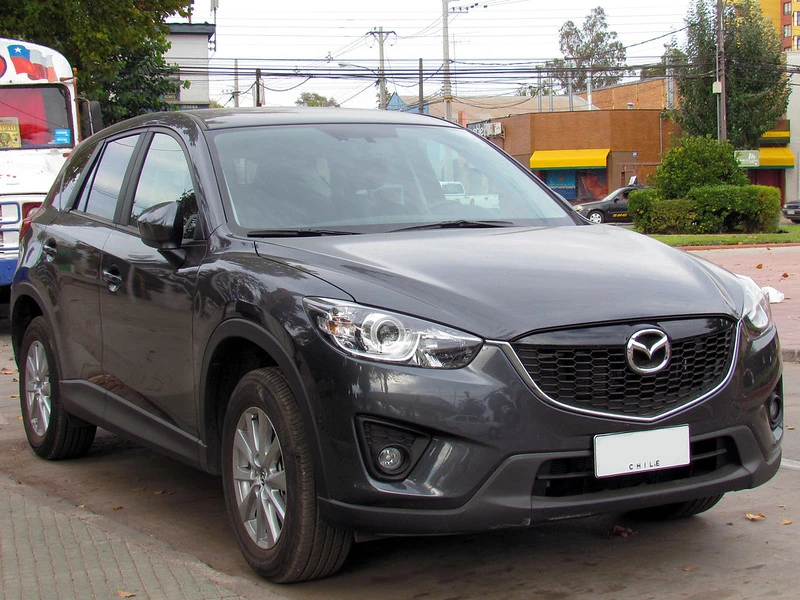
From here onward, this guide will analyze the Mazda CX-5 Years to Avoid, why the primary problems with these years, and the best years to purchase.
Mazda CX-5 Years to Avoid: Why It is Unadvisable to Choose Problematic Years
The Mazda CX-5 is a compact crossover with reliable performance and remarkable appearance and driving quality. However, not every model of this car has been up to these standards, as it is common with other cars in the market.
In the course of these years, certain issues have cropped up more frequently than in other years affecting your ownership experience. The last thing you want is to constantly be dealing with those dreaded years because while they usually cost less to repair, they will take a toll on your car’s performance and reliability in the long run.
This way the consumer will have few problems when comparing the model years of Mazda CX-5 and enjoy the improved reliability and safety on the road. Then, by defining the years when the situation seems to be more problematic.
This will help you to avoid having to deal with those countless problems that might occur in a short notice and the high costs of maintenance. Now let us take a look at the specific years and issues to be careful with.
The Most Common Issues With Mazda CX-5 Across the Years
The Mazda CX 5 is one of the best-selling models in the crossover SUV segment; however, like any other car, it has had some common problems over the years. Here are some of the most commonly reported problems:
1. Infotainment System Glitches
There is an issue of screen freeze, rebooting, and non responsiveness that has been reported by owners. These problems are more common in cars produced from 2017 to 2021 and are widely referred to as “ghost touch” issues. Repairs are as simple as a software patch, and as complex as changing the infotainment unit, which may set you back more than a thousand dollars if the warranty is not applicable.
2. Excessive Wind Noise
Wind noise is usually felt at highway speed by some drivers because the doors or windows do not seal properly. Seal repair can take about $100–$500 and is usually experienced in older cars.
3. Premature Brake Wear
It separates brake pads and rotors on the 2016 models noting that brake pads and rotors may require replacement within 30,000 miles, much earlier than the anticipated lifespan. The costs of repair include between $300 and $800 depending on the part cost used.
4. Daytime Running Light (DRL) Failures
Some car models, including the 2016 CX-5, suffer from early LED DRL failure caused by bad control modules or wiring. It is always affordable when getting a repair, it costs about $100-$ 1000 depending on the kind of damage done.
5. Windshield Cracking
New car lighter windshields in the car CX-5, have been highlighted to break more often, reduce visibility, and cost an average of $510 to repair. The fact that various materials are used to reduce the weight of different parts of a car only makes this a worse problem.
Worst Mazda CX-5 Years to Avoid
Based on consumer reports, repair data, and mechanic feedback, the following Mazda CX-5 model years are often cited as the worst years to buy, primarily due to their higher incidence of problems:
1. 2014 Mazda CX-5
The 2014 CX-5 came with some electrical issues which include; display issues, GPS issues, and even back up cameras. Owners also complained of brake wear out earlier than the 30,000 miles were used up. Further, there concerns with the engine failing to turn off fully at around 55,000 miles where it would stall and refuse to re-start.
2. 2016 Mazda CX-5
Despite some of the electrical problems that were observed in 2014, the models of the year 2016 came with other problems. Owners also complained of the reverse camera not working or the internal light that glows in the car flickering. There was always abrasive wear to the brake pads, which in some cases started showing as early as 25000 miles on the car’s mileometer. Also, there were allegations that the engine did not have the ability to power off to conserve energy.
3. 2018 Mazda CX-5
While the changes in the electrical part have been impressive, the 2018 CX-5 had some issues with the engine, such as undiagnosed oil leakage arising from distorted cylinders. The so-called check engine light was also defective to the extent that it did not warn drivers of such conditions. Also, most complained that their paintwork began to chip and fade within a year of purchase, especially for those who opted for Mazda’s extras in the paint department.
4. 2019 Mazda CX-5
The 2019 model also had its fair of problems mainly revolving around the engine hesitation and turbocharging challenges. Owners also reported high oil consumerism which if well unchecked is very expensive and dangerous for the owners. For these reasons for reliability, it is considered to be less appealing.
These years are less preferable for long term own, because these year require more frequent repairing and regular maintenance.
Best Mazda CX-5 Years: Years Commonly Recommended With Low Cases Of Problems
Nonetheless, some model years of Mazda CX-5 are known to have some flaws, while other models have been recognized to have relatively low levels of mechanical breakdowns. These models tend to have fewer reported problems and offer a smoother ownership experience:
1. 2015 Mazda CX-5
This model has been very much appreciated by many people because of the quality construction as well as the durability. Owners have noted a few major problems, however it drives nicely, is pretty fuel-efficient and has advanced safety features for the year. It is still a highly recommended car for a used compact SUV.
2. 2020 Mazda CX-5
The 2020 models are famous for their revamped inside and progressive security highlights, making them excessively luxurious and quick. Safety features such as blind–spot monitoring, adaptive cruise control and better infotainment system makes for its appeal. The problem is also that this year, there were fewer complaints than in the previous versions.
3. 2021 Mazda CX-5
With minor changes made from the 2020 model, the updated 2021 CX-5 was the result of these improvements to the car’s structure and layout. It is praised for its luxurious cabin, the high level of protection for passengers, and driving characteristics. Some critics claim it offers the experience of luxurious high-end SUVs, but at the same time, it certainly stays true to Mazda’s number.
4. 2022 Mazda CX-5
More sophisticated and luxurious than the previous model years, this model year brings changes to the exterior design and ride and handling, as well as a new turbocharged engine. It was equally a model that offered the features of modern buyer appeal, through such components as the advanced driver assistance systems that Mazda had included as standard.
Electrical and Software Issues in Mazda CX-5 Years to Avoid
Problems such as the electrical system and software aspects are prevalent in some Mazda CX-5s sometimes in the years 2014, 2016, and 2017. Owners have complained of issues with the infotainment system in their cars developing what can be described as a spasm, symptoms of which include screens freezing and then rebooting randomly.
Furthermore, some models have issues with electrical systems; for example, DRLs burn out quickly, or there are issues with sensors. Hardware malfunctions can affect some of the car’s features of electronics, for instance, cruise control systems and backup cameras, which makes them costly to repair. When someone looks at these years, they need to look up if there are any recalls and firmware.
Safety Concerns: What Years Has the Mazda CX-5 Known Complaints?
Some issues related to the safety of the Mazda CX-5, particularly of the 2014, 2016, and 2018 models, have been complained about due to some designs that were included in the cars.
The fashion for demise sedans continued; for instance, the 2014 CX-5 has problems with faulty airbag sensors, which decreases occupant safety in certain types of crashes. The 2016 and 2018 models once again have been linked with issues of stability of some features such as automatic emergency braking, lane keeping assist, and sensors.
Such matters have caused some owners to develop a less confident verdict regarding the safety features of the intended vehicle. These risks are mitigated to an extent in the affected years by frequent updates and maintenance.
Maintenance Cost and Number of Repairs in Some Years
Possible problems with the Mazda CX-5 and its maintenance costs and repair frequency depend on the year of making this car model. For example, the situation is typical for 2014 and 2016 models: owners often complain about frequent transmission, electrical system, and suspension troubles that lead to higher maintenance costs.
Routine maintenance consists of changing ball joints and a catalytic converter and fixing infotainment system problems that, if they happen after the warranty expires, can be quite expensive. However, the overall repair frequency of the 2020 and 2021 Mazda CX-5 is lower comparatively across the models.
These years also get better build quality and comparatively less number of complaints that definitely leads to low over maintenance charges. In other cases where the cars have been newly manufactured, frequent service and being aware of other related software upgrades can assist in reducing prospective repairs.
Conclusion: How to Choose Right While Selecting Mazda CX-5
There are certain things that should be looked at when choosing the Mazda CX-5; it is namely the year of the model being chosen and the potential of problems.
Hence, while earlier ones, for instance, the 2014 and 2016 models are famed for mechanical and electrical issues, newer variants including the 2020, 2021, or even 2022 models are sure to offer even improvements in reliability and performance. These later models are said to have fewer problems that need repair, lower expenses incurred by repairing problems, and better safety.
The fourth generation of Mazda CX-5 is ideal for anyone in the lookup of a car that affords a stable ride without subsequent problems, and these models are midway through their product cycle. However, always refer to any recall and maintenance history check and ensure the car has the necessary software upgrade to reduce possible accidents.
