
Automotive Induction Heaters for Faster, Safer, and More Efficient Repairs
Efficiency, safety, and speed are crucial in automotive repair. We mechanics and repair shops are constantly looking for new tools and methods to streamline the repair process. In recent years, one tool that has gained significant interest is the automotive induction heater. How This Technology is revolutionizing technicians’ approaches towards common repair challenges by making them quicker, safer, and more efficient.
What is an Automotive Induction Heater?
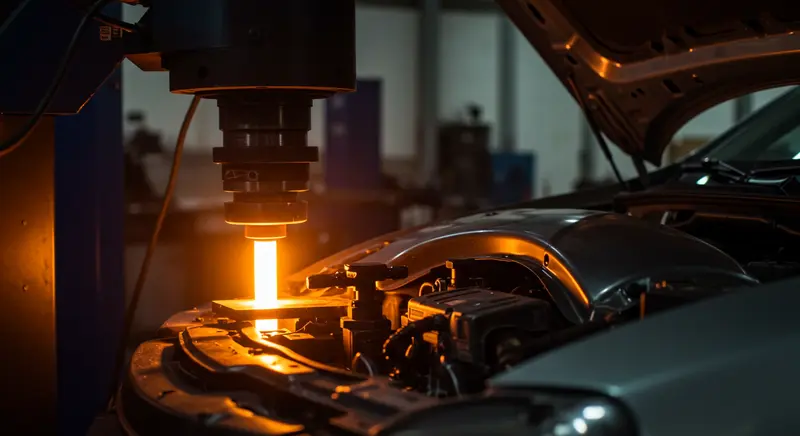
An automotive induction heater is designed to be quick and effective in heating part metal parts and is essentially a small workbench that generates a high temperature without the need to have a flame in cadence. Induction heaters, on the other hand, generate quick heat in the metal components using electromagnetic induction, unlike common methods like heating over a flame or using a blowtorch. It allows repairs to be made more quickly, especially when increased temperature is required, like clearing rusted bolts, bearings, or seized parts.
The Benefits of Using Induction Heaters in Automotive Repairs
Induction heating is superior in many ways to standard heating methods, which makes it a powerful tool both for professional mechanics and car enthusiasts. Here are some key benefits:
1. Speed and Efficiency
Induction heaters are fast, heating metal parts in seconds. Induction heating is efficient compared to traditional ways that can take minutes to reach the required temperature. Forecasts that there is little downtime when performing repairs, this rapid heating is critical without both repair and increased productivity of repair shops, and customers need quick turnaround times.
2. Precision and Control
The ability to concentrate heat directly on a surface is one of an induction heater’s most exciting features. This allows local heating of parts without the rest of the components getting hot. This allows for greater control and decreases the chance of overheating or damaging nearby components, allowing for more intricate repairs in more confined areas.
3. Safety
Induction heating provides a safe alternative, as there are no open flames or very high-temperature equipment involved with this type of heating process. Traditional applications typically use torches or flame-based devices that risk starting accidental fires, burning sensitive parts, or damaging them. Induction heaters, on the other hand, are safer because they heat the cooking item without directly heating the stove.
4. No Open Flames or Gasses
Because the induction heater doesn’t use combustible gases or flames, it is environmentally friendly. Otherwise, it is safer in a repair environment where there may be flammable materials or chemicals because there are no open flames. Also eliminates the need for gas cylinders and additional ventilation, potentially reducing operational costs.
Applications of Automotive Induction Heaters
Induction heaters are multi-use tools that can be used for a variety of automotive repair applications. One less appreciated feature of this particular induction heater is how effective it is at loosening seized bolts, such as those found in hard-to-reach areas where an open flame cannot be incorporated, as well as heating metal components. This option makes it a safer and more beneficial way to heat systems.
Here are a few common use cases:
1. Rust and Corrosion Removal
Rusted or corroded bolts, nuts, and other components can pose a serious annoyance in automotive repair. These components are typically when conventional tools make removal challenging. Because induction heating can rapidly heat these components, it breaks the bond of rust or corrosion and loosens the part for easy removal. The process also allows to extraction of the bolt while preventing damage to the surrounding area as well as other unwanted breaks that could cost a lot of time and money.
2. Bearing and Gear Removal
Where parts like bearings or gears have seized or have excessive corrosion, wear, or other hot spots causing seizing, induction heating can avoid the need to remove items that are damaged. Induction heaters apply localized heat, and they expand the metal allowing you to easily remove the bearings or gear.
3. Bolt and Fastener Removal
Induction heaters work so well loosening stuck or damaged bolts. Focusing heat is then applied to the fastener so the metal expands and loosens and you can remove it now. This is particularly useful for fasteners that have been over-torqued or exposed to excessive stress.
4. Shrink Fitting and Press Fitting
You might also use induction heaters to shrink parts on shafts or assemble parts. Heat one part, and it expands to fit inside the other. When the heated part cools down, it shrinks and the two parts make a tight connection. This method is particularly helpful for the installation of bearings, gears, or pulleys onto shafts.
5. Welding Preparation
Induction heaters are used to preheat metal parts before welding them. The preheating process allows the components to bond more effectively while also minimizing the chances of cracking or warping when welding begins. This is especially crucial for high-strength steel or materials susceptible to temperature variations.
How Induction Heaters Work
Induction heaters generate high-frequency magnetic fields through a coil. When a metal object is placed inside of the field, electric currents are induced in the object, causing it to heat up very quickly. The process is quick, clean, and energy-efficient, losing little heat. Induction heaters are built to offer precise control so technicians can heat specific locations on a part without impacting nearby features.
The muscle behind an induction heater is the ability to raise the temperature of metal without any direct contact. The electromagnetic field heats the metal from the inside out, which guarantees uniform heating. This means induction heaters are perfect for jobs where controlled, specific temperatures are needed, like removing stuck components or getting parts ready for further processing.
Choosing the Right Induction Heater for Automotive Repairs
When selecting an induction heater for automotive repairs, there are a few key factors to consider:
1. Power and Capacity
Induction heaters come in various power levels, with higher power units capable of heating larger parts more quickly. For automotive repair, consider the size and types of components you will be working with to determine the appropriate power rating. A more powerful heater is generally better for heavy-duty tasks, while smaller units are suitable for lighter repairs.
2. Portability
Induction heaters are available in both stationary and portable models. A portable induction heater is a great option for mobile mechanics or for use in a workshop where space is limited. Look for units that are easy to move around and set up, especially if you plan to use the heater in various locations.
3. Heating Time
Different induction heaters vary in the amount of time they take to heat metal parts. If speed is a top priority, look for a unit that provides rapid heating without compromising precision. Faster heating times can significantly reduce repair time and increase overall efficiency.
4. Temperature Control
The ability to control the temperature is crucial for ensuring that the right amount of heat is applied to the part. Many induction heaters come with adjustable temperature settings, allowing you to fine-tune the heat based on the specific task. This is especially important when dealing with delicate components that could be damaged by excessive heat.
5. Ease of Use
Choose a unit that is easy to operate and includes clear instructions. Some induction heaters come with user-friendly interfaces and preset programs for common repair tasks, making them accessible to both novice and experienced technicians.
How to Maintain an Induction Heater
So, regular maintenance is necessary to prolong the life of your induction heater. Here are some tips for maintaining your heater in tip-top shape:
- Clean the Coil: This is the most important job to maintain the efficiency of the induction heater. Use a soft cloth or brush to wipe off any debris or dust that might collect on the coil.
- Check the Power Supply: Make sure the power supply is stable and correctly plugged in. An inconsistent power supply can make the heater work abnormally and subject it to unneeded wear.
- Look for Overheating: Induction heaters are built to withstand high temperatures, but when being used continuously and without enough cooling, they can overheat. Adhere to the instructions provided by the manufacturer in terms of intervals and cooling periods of usage.
- Safe Storage: When not being used, make sure to store the induction heater in a cool, dry place to avoid being affected by environmental factors (for example, moisture or high-temperature exposure).
Conclusion
Today we will discuss Induction heaters which are used across the entire automotive repair industry due to their speed, safety, and effectiveness. Whether you are loosening rusted bolts, freeing stuck bearings, or preheating components before welding, an induction heater can save precious time while minimizing the chance of damaging nearby components. So you can achieve the desired results both for the equipment and for customers.
