The Benefits of Using Technology Expense Management Software for Small Businesses in the Automotive Industry
In the fast-paced world of automotive businesses, keeping track of expenses efficiently is essential for maintaining profitability and operational efficiency. Whether it’s managing fleet costs, parts procurement, or dealership operations, small businesses in the automotive sector often struggle with managing and controlling their technology-related expenses. This is where technology expense management software comes into play. By implementing such solutions, automotive businesses can streamline their financial management processes, gain greater insight into their spending, and reduce overhead costs.
What is Technology Expense Management Software?
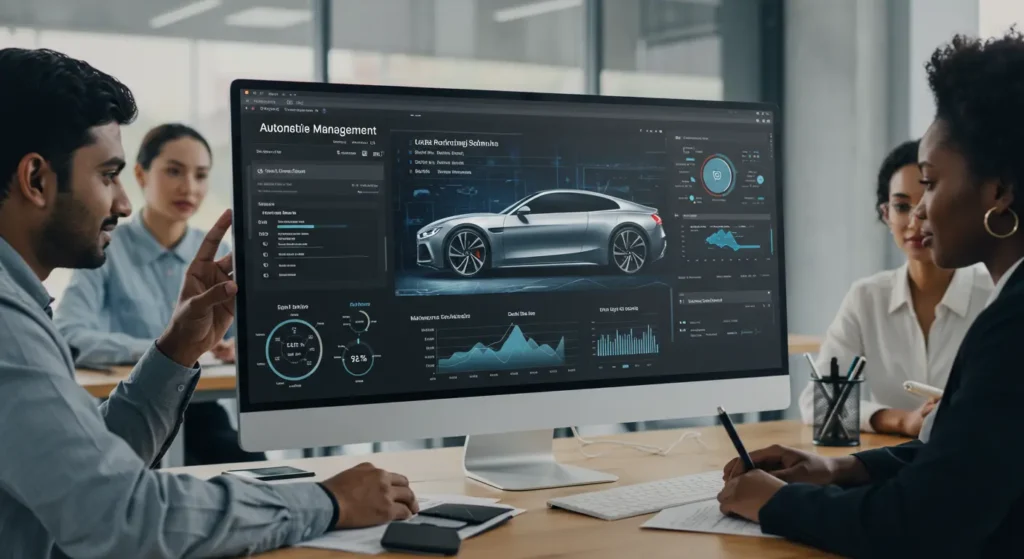
Technology expense management software is a tool that helps businesses track, monitor, and control their technology-related expenses. These expenses may include software subscriptions, cloud services, hardware, IT support, telecommunications, and other technology services that a company relies on to run its operations.
For small businesses in the automotive sector, this software can help manage a wide range of expenses—such as vehicle management software, diagnostic tools, customer relationship management (CRM) systems, and enterprise resource planning (ERP) systems, all of which are vital for smooth daily operations.
Let’s explore how technology expense management software can bring significant benefits to small businesses in the automotive industry.
Improved Cost Visibility
Automotive businesses often have multiple systems and subscriptions that need to be tracked and managed. Without proper oversight, these costs can spiral out of control. Technology expense management software offers a centralized view of all tech-related expenses, allowing business owners and finance teams to easily track where their money is going.
For example, a dealership might use software for inventory management, vehicle diagnostics, and customer management. By consolidating these costs in one platform, the business can identify which software or services are essential and which ones are not being utilized effectively, enabling smarter decisions about which subscriptions to renew or cancel.
With detailed reporting and analytic s, businesses can uncover spending patterns that could be optimized, ultimately reducing unnecessary or redundant expenses.
Streamlined Budgeting and Forecasting
For small automotive businesses, staying on top of cash flow is crucial. Technology expense management software simplifies the budgeting process by providing clear, real-time data on current expenditures. With historical data and trend analysis, businesses can create more accurate budgets for future expenses.
For instance, if a business is anticipating the expansion of its fleet or the introduction of a new service, having clear insight into its current tech-related expenditures helps to forecast future costs more effectively. It also assists in allocating the right amount of resources to various business functions, like marketing or customer service technology.
This level of forecasting can prevent over-spending and ensure that the business stays financially stable, even as it grows.
Automating Invoice Processing and Payments
In the automotive industry, managing multiple invoices for a variety of services and software can be time-consuming and prone to errors. Technology expense management software automates the invoice processing and payment approval process, saving significant time and reducing the risk of human error.
For example, a car rental business might have recurring payments for GPS software, maintenance tracking systems, and customer management tools. Managing these invoices manually could lead to missed payments or duplicate charges. With automated processing, the software ensures that invoices are properly matched with contracts, payment schedules are adhered to, and any discrepancies are flagged immediately.
This automation not only reduces administrative burden but also prevents late payment fees, helping businesses maintain healthy relationships with vendors and suppliers.
Enhanced Compliance and Security
In the automotive industry, particularly for businesses involved in fleet management, data security and compliance with industry regulations are paramount. Using technology expense management software helps ensure that all tech-related expenses align with both industry standards and legal requirements.
For instance, cloud storage services used for storing customer data must comply with GDPR or other data protection regulations. A robust technology expense management system can track the specific features of each service, making sure they meet compliance standards. Additionally, by monitoring spending on secure IT infrastructure, businesses can prevent caber threats that can arise from outdated or unsecured technology.
Technology expense management software can also integrate with other business systems, such as ERP or fleet management software, to enhance overall data security by keeping all sensitive information in one secure location.
Increased Efficiency in Resource Allocation
For small businesses in the automotive sector, every dollar counts. Efficient allocation of resources is key to staying competitive. By analyzing how funds are spent across different technology platforms, companies can make smarter decisions about where to allocate their budget.
For example, a car dealership may spend a significant amount on customer relationship management (CRM) software. By utilizing expense management software, they can assess the effectiveness of the CRM tool and compare it with alternatives that may offer a better ROI. Similarly, if a company’s fleet management software isn’t providing sufficient value or has redundant features, the business could save money by switching to a more cost-effective solution.
This level of insight ensures that technology investments are driving value and not just adding to the bottom line in unnecessary ways.
Simplified Vendor Management
Managing multiple tech vendors can be challenging, especially for small businesses with limited administrative resources. A technology expense management system provides a consolidated view of all contracts, vendor relationships, and payment histories. This makes it easier for businesses to negotiate better terms with suppliers, manage renewals, and ensure that contracts are being followed as agreed.
In the automotive industry, where technology vendors can provide everything from diagnostic tools to fleet tracking software, managing these relationships effectively can yield significant cost savings. The software helps to identify areas where contracts can be renegotiated or even consolidated, streamlining vendor management.
Improved Financial Reporting and Decision-Making
Accurate, real-time financial reporting is essential for business owners in any sector, but especially for small businesses in the automotive industry, where operating margins can be tight. Technology expense management software automates much of the reporting process, providing business owners with detailed, easy-to-understand financial reports on their tech expenditures.
These reports not only help with budgeting but also provide insight into areas where the business can make operational adjustments. With clear visibility into which technology investments are generating a return, decision-makers can prioritize spending on high-impact tools while scaling back on those that aren’t performing.
By enabling more informed decisions, technology expense management software ultimately drives better financial outcomes for small automotive businesses.
Conclusion
In today’s digital age, small automotive businesses must manage an ever-increasing array of technology expenses. From vehicle management systems and diagnostic tools to customer service platforms and cloud-based storage, technology plays a pivotal role in the industry’s operations. Technology expense management software can help streamline the management of these expenses, offering greater visibility, efficiency, and control over costs.
With benefits such as improved cost visibility, streamlined budgeting, enhanced security, and more efficient resource allocation, automotive businesses can ensure that their technology investments deliver maximum value. In the long run, leveraging such software helps businesses reduce overhead costs, optimize operations, and stay competitive in a fast-evolving marketplace.
