
Mistakes To Avoid When Sharing the Road With Large Trucks
Sharing the road with large trucks requires careful attention and understanding of their limitations. Many drivers make mistakes that increase the risk of accidents, such as cutting trucks off or lingering in blind spots.
The most critical mistake to avoid is underestimating the size and stopping distance of large trucks, which can lead to dangerous situations. Recognizing these factors helps drivers respond appropriately and maintain safe distances.
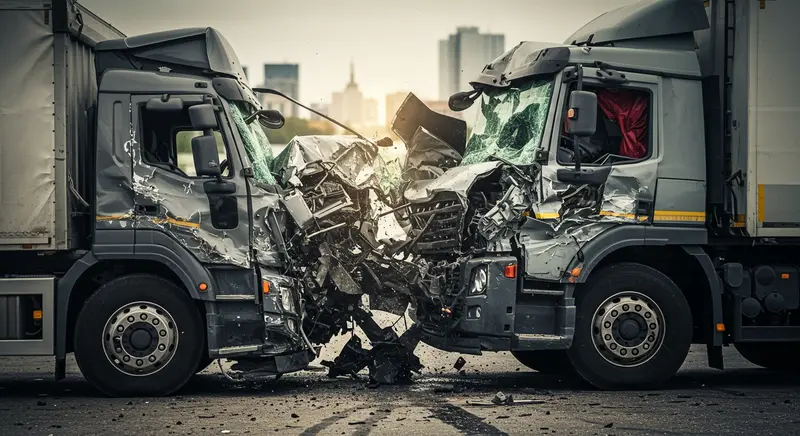
Essential Safety Practices for Sharing the Road With Large Trucks
Drivers must recognize the unique challenges posed by large trucks, including their size, weight, and limited maneuverability.
Understanding Large Truck Limitations
Large trucks have significant blind spots, often called “no-zones,” where the driver cannot see other vehicles. These areas include directly behind the truck, alongside the cab, and in front of the vehicle. Staying out of these zones helps prevent collisions caused by sudden lane changes or braking.
Trucks also require longer distances to stop due to their weight. This means they cannot slow down or stop quickly in emergencies. Drivers sharing the road should avoid cutting in front of trucks abruptly and maintain awareness of the truck’s slower reaction time.
Maneuverability is limited with wide turns. Trucks often need to swing wide right before turning right, so cutting in on the right side can be dangerous.
Keeping Safe Following Distances
Maintaining a safe following distance behind a truck is crucial. The minimum recommended gap is four seconds, but increasing this distance on wet or slippery roads is advisable. Close tailgating reduces reaction time, increasing the risk of rear-end collisions.
Large trucks carry heavy loads that can shift. This affects stability and can cause sudden movements. Keeping a safe distance allows a driver to react to these changes safely without having to brake harshly.
Additionally, trucks can kick up debris from the road. Staying further back reduces the chance of windshield damage or impaired visibility. Drivers should be patient, as following from a safe distance promotes overall safety.
Proper Lane Positioning Around Trucks
When passing a truck, it is safest to do so on the left side where the driver has a better chance of seeing the vehicle. Pass quickly and without lingering in the truck’s blind spots. Signal early and move decisively to avoid confusion.
Avoid driving next to a truck for extended periods. Positioning slightly behind or ahead when sharing lanes helps maintain control and visibility.
On multi-lane roads, make lane changes well in advance, clearly signaling to alert truck drivers. Sudden moves near trucks can create hazardous situations.
Drivers involved in accidents with trucks in Oxnard or elsewhere could benefit from consulting an Oxnard Truck Accident Lawyer to understand their legal options and responsibilities following a collision.
Critical Mistakes Drivers Make Near Large Trucks
Many drivers underestimate the size and limitations of large trucks, leading to dangerous actions that increase the risk of collisions.
Cutting Off Trucks and Unsafe Merging
Cutting off a large truck often causes drivers to misjudge the truck’s stopping distance and blind spots. Trucks require significantly more space to slow down or stop due to their weight.
Unsafe merging in front of trucks leaves little margin for error and puts both vehicles at risk. Trucks cannot stop or steer quickly to avoid a collision.
Maintaining a safe distance and merging only when enough space is available helps prevent crashes. An Oxnard Truck Accident Lawyer often sees cases where aggressive merging plays a critical role.
Driving in Blind Spots
Large trucks have extensive blind spots, commonly called the “No-Zones.” These areas include directly behind the truck, alongside the driver’s door, and in front of the vehicle.
Vehicles in blind spots are at high risk because the truck driver cannot see them. This lack of visibility can lead to side-swipe crashes or being rear-ended.
Drivers should avoid lingering in these zones and pass trucks on the left side where the driver has better visibility. Lawyer for truck accidents Oxnard often advises motorists to stay out of blind spots to reduce injury risks.
Sudden Braking in Front of Trucks
Abrupt stops in front of trucks create dangerous situations. Trucks need more time and space to break due to their momentum and size.
Sudden braking can lead to rear-end collisions when truck drivers cannot slow down in time. This mistake is particularly hazardous on highways and urban roads.
Drivers should anticipate traffic flow and avoid unnecessary sudden stops. Truck accident lawyers in Oxnard frequently highlight the consequences of such actions during legal proceedings.
Failing to Notice Wide Turns
Large trucks require extra room for wide turns, often swinging into adjacent lanes. Drivers who try to squeeze past a turning truck risk serious accidents.
Failing to recognize a truck’s need for space during turns can cause side-impact crashes or force trucks to brake suddenly.
It is important to observe truck signals and give them adequate space to complete turns safely. Oxnard Truck Accident Lawyers emphasize this behavior as a common cause of preventable collisions.
Legal and Liability Considerations in Truck-Related Accidents
Determining fault in truck-related accidents requires examining multiple factors, including driver behavior, vehicle condition, and company policies. Legal responsibilities can extend beyond the truck driver to trucking companies and manufacturers.
Understanding Accident Liability
Liability in truck accidents can involve several parties: the truck driver, the trucking company, vehicle maintenance crews, or even parts manufacturers. Often, multiple parties share responsibility, complicating legal claims.
Key elements affecting liability include:
- Driver negligence (speeding, fatigue, distraction)
- Violations of federal trucking regulations
- Maintenance failures (brakes, tires)
- Company-imposed pressure contributing to unsafe driving
When to Contact a Lawyer
Victims should seek a lawyer promptly, especially one experienced in truck accidents like an Oxnard Truck Accident Lawyer. Trucking cases involve complex regulations and insurance policies that differ from standard vehicle accidents.
A lawyer can:
- Identify liable parties clearly
- Navigate federal and state trucking laws
- Collect and preserve evidence effectively
- Negotiate with insurance companies on the victim’s behalf
- Early legal consultation improves the chances of a favorable outcome and avoids missing important deadlines for claims.
