
Choosing the Best Tune for Your Ecoboost: A Beginner’s Guides
When it comes to performance and power, Ford’s EcoBoost engines have earned a strong reputation among enthusiasts and everyday drivers alike. Combining turbocharged performance with fuel efficiency, the EcoBoost platform offers a compelling middle ground between raw muscle and modern sensibility. But what if you want to unlock more of that hidden power? That’s where tuning comes into play.
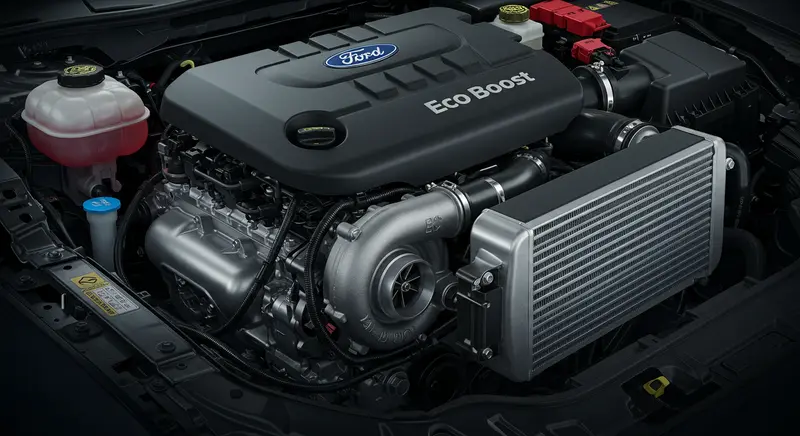
If you’re new to the world of performance mods, tuning your EcoBoost engine might seem like something best left to professional shops and hardcore gearheads. But in reality, tuning has become more accessible than ever—with plenty of options for beginners who want to squeeze more horsepower, torque, and responsiveness from their Ford vehicle. Whether you’re driving a Mustang, F-150, Explorer, or even a high-performance Ford Raptor, this guide will walk you through the basics of choosing the best tune for your EcoBoost engine, and how to get started safely.
What Is Tuning and Why Do It?
Tuning—also known as ECU (Engine Control Unit) remapping—involves reprogramming the software that controls your engine’s performance. Every car comes with a factory tune that’s designed to strike a balance between power, emissions, fuel economy, and reliability. While that’s ideal for the average consumer, it often leaves a lot of performance potential on the table.
By installing a new tune (via handheld tuners, custom software, or professional dyno tuning), you can unlock additional horsepower and torque, improve throttle response, optimize fuel-air ratios, and even adjust shift points for automatic transmissions. The beauty of tuning an EcoBoost engine lies in its turbocharged nature—turbo engines respond particularly well to software modifications, often showing double-digit percentage gains in performance with relatively minimal effort.
Is Tuning Safe for Beginners?
This is the question that stops many first-timers in their tracks—and it’s a valid concern. The truth is, tuning is generally safe if you’re doing it the right way, using reputable hardware and software, and understanding the limitations of your vehicle.
Factory EcoBoost engines are built with some headroom, meaning a mild or moderate tune won’t push the engine past its safe limits. That said, it’s important not to blindly install the most aggressive tune available without supporting modifications like upgraded intercoolers, better fuel systems, or even stronger internal components.
For beginners, off-the-shelf (OTS) tunes from companies like Cobb, SCT, Livernois, and 5 Star Tuning are a great place to start. These tunes are preloaded onto handheld devices and designed to work safely with stock or lightly modified vehicles. They often include different levels—such as economy, towing, and performance—so you can choose what best suits your driving style.
Choosing the Right Tuner for Your EcoBoost Vehicle
The first decision you’ll make is which tuner platform to go with. Think of this as the “delivery system” for your tune.
- Cobb Accessport is one of the most popular tuners for EcoBoost Mustangs and Focus RS/ST models. It’s user-friendly, highly customizable, and includes features like performance monitoring, data logging, and real-time engine diagnostics. It’s ideal for owners who want a plug-and-play experience but may want to upgrade in stages later.
- SCT Performance tuners are more common with trucks and larger vehicles like the F-150 and Explorer. Their devices support both canned (preloaded) and custom tunes from trusted tuning shops, and they’re known for reliability and wide vehicle compatibility.
- Livernois Motorsports and 5 Star Tuning offer custom tuning packages that can be tailored to your specific setup—especially valuable if you’ve already added performance parts like an intake, downpipe, or exhaust system.
For complete beginners, it’s smart to stick with a well-established tuner brand and start with their base tune. These tunes often come with clear instructions, customer support, and access to updates.
Things to Consider Before Tuning
Before jumping into tuning, there are a few key considerations to keep in mind:
- Warranty Implications: Any ECU modification can potentially void your factory powertrain warranty. Even if you return the car to stock, most manufacturers can detect if tuning has been performed. If you’re still under warranty and rely on dealership coverage, think carefully about the trade-offs.
- Fuel Requirements: Many performance tunes are optimized for 91 or 93 octane fuel. Using a lower grade can cause knocking and even engine damage. Make sure you have access to the required fuel grade before installing a tune.
- Maintenance Matters: A tune will amplify any existing mechanical issues. It’s crucial to ensure your vehicle is well-maintained—fresh spark plugs, clean filters, and healthy fluids—before increasing performance. If your car isn’t running 100% in stock form, tuning could push it over the edge.
- Transmission Behavior: A good tune can also improve automatic transmission performance, reducing lag and firming up shifts. That said, an aggressive tune may make shifting more noticeable, which isn’t always ideal for daily drivers who prefer a smooth ride.
Ford Raptor Tuning: Power, Precision, and Purpose
When it comes to tuning Ford’s high-performance off-roader, the Ford Raptor, the game changes slightly. The Raptor’s 3.5L EcoBoost V6 is already a beast in stock form—producing 450 horsepower and 510 lb-ft of torque—but it still benefits significantly from performance tuning.
Owners looking to enhance the Raptor’s on- and off-road capabilities will find that tuning adds even more muscle to an already capable machine. With a conservative OTS tune, you can expect gains of 50–75 horsepower and similar or higher increases in torque. This translates into quicker acceleration, more towing power, and better throttle response—without sacrificing drivability or daily usability.
Custom tunes are especially popular among Raptor enthusiasts who pair tuning with bolt-on mods like high-flow intakes, intercoolers, upgraded downpipes, and cat-back exhaust systems. Ford Raptor Tuning can be tailored to accommodate these mods and make the most of them without risking reliability.
Because Raptors are often used for off-roading or towing, custom tunes can also include modifications to shift logic, boost levels, and even turbo lag reduction for improved low-end torque—making crawling or sand dune runs even more responsive.
One important note for Raptor owners: not all tuners are created equal. It’s worth seeking out a company with proven experience in EcoBoost truck tuning. Reputable names like SPD Performance, MPT Tuning, and 5 Star Tuning offer well-tested Raptor-specific programs, with optional custom support for high-demand setups.
Installing a Tune: What to Expect
The actual process of installing a tune is simpler than many people imagine. Most modern tuners plug into the OBD-II port under your dashboard. From there, the device will walk you through the process, which includes reading your stock tune (so you can revert if needed), then uploading the new performance map.
Installation typically takes about 10–30 minutes. Once installed, many tuners allow you to view live data from your engine—boost pressure, air-fuel ratios, knock retard, and more. This not only gives insight into how your car is performing, but also helps diagnose issues early.
If you’re installing a custom tune, you may need to email your vehicle’s data log to the tuning company, who will then adjust the file and send you a revised map. This iterative process is what allows for a truly tailored experience—but it also requires a little more involvement.
Final Thoughts: Start Smart, Tune Safely
Tuning an EcoBoost engine is one of the most rewarding upgrades you can make, especially for Ford enthusiasts looking to maximize performance. With just a bit of research and the right tools, even first-time tuners can confidently unlock serious gains in power and drivability.
Whether you’re working with a daily-driven Mustang, a tow-ready F-150, or a trail-busting Ford Raptor, the tuning world offers plenty of options for beginners and pros alike. Just be sure to approach tuning with the right mindset: prioritize safety, start with reputable brands, and maintain your vehicle diligently.
Done right, a tune doesn’t just make your vehicle faster—it makes it yours.
