
Top Reasons for a Burning Smell from Car But Not Overheating
When your car is giving off a burning odor, it is not a good sign. When its drivers smell this smell, most of them instantly imagine that something has gone wrong with the engine; it has overheated. But sometimes your car smells like it is burning or on fire despite the temperature gauge showing a normal reading.
When the odor of smoke comes out of the car without any overheating, it is important to know what may cause this. Looking the other way will result in even greater problems and even costly repairs. This is a guide that will inform you of general reasons why this issue is taking place, what symptoms to look out and how to stop it before it becomes a big problem.
1. Burned Clutch (Manual Transmission Cars)
One of the most common signs of a burning smell that can be presented in vehicles that have a manual transmission is a burnt clutch. The clutch engages and disengages the engine to the transmission to shift gears, and excessive use or abuse of the clutch, SHIFTING with the clutch ON, riding the clutch, improper clutch engagement, etc, causes excessive clutch friction. The heat generated by this friction is very hot and results in a sharp burning smell, which is usually likened to that of burning paper or rubber.
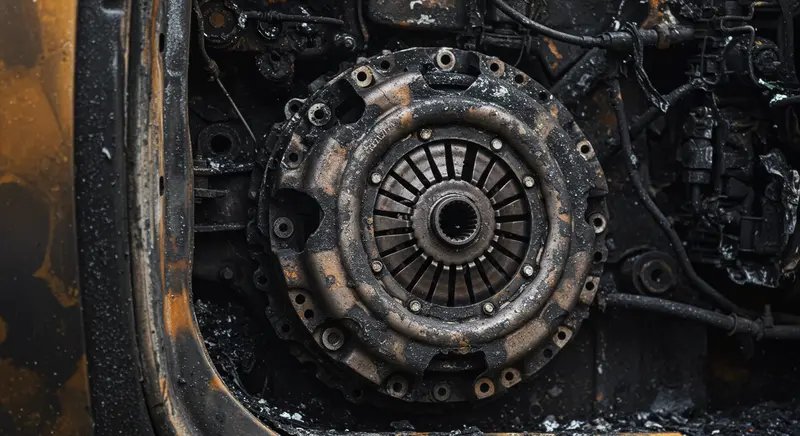
This is even more prevalent among new manual drivers or the stop-and-go traffic conditions when there is a lot of gear shifting. The clutch material is subject to wear over time, and with improper care, the clutch will burn out altogether.
Warning signs
It has a powerful smell of burning, particularly when changing gears
- Hard shifting gears
- Slipping gears (engine revs go up as there is no acceleration)
- Slow acceleration, even at the push of the gas paddle
- Abnormal RPMs when driving normally
What To Do
In case you are observing these symptoms regularly, it is vital that you allow a professional mechanic to look at the clutch. When neglected, it may cause more harm to the transmission system. In minor problems, you might just require having the clutch adjusted, but in severe cases, the entire clutch replacement could be required. Making early repairs could avoid expensive subsequent repairs.
2. Burning Oil
Leaking or burning engine oil is another common source of the burning smell in automobiles. Once the oil leaks out because of the worn-out gasket, loose drain plug, or damaged seal, it can drip on hot engine parts such as the exhaust manifold and begin to burn. This produces a sharp acrid smell, and the smell of this may even stay after you shut off the car. Contrary to overheating, it does not necessarily increase the engine temperature, although it is a manifestation that something is not going well.
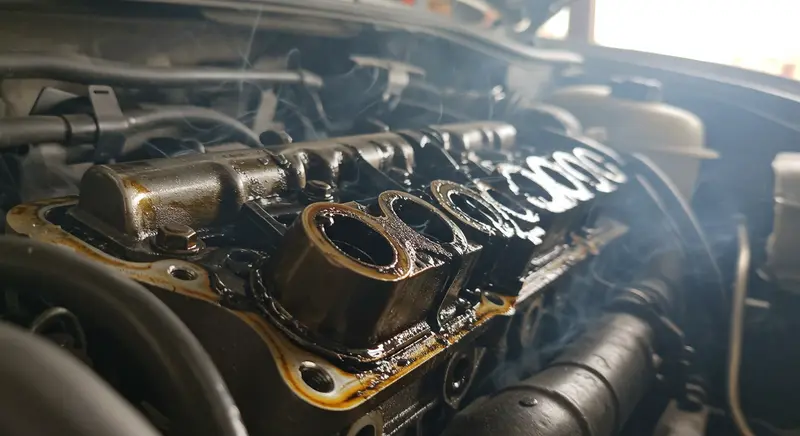
Warning Signs
- Muddy water or oil puddles/spots under your car
- Significant loss in the levels of engine oil can be noted over time
- Smoke emitted in the engine bay (particularly during ignition or during shutting down of the vehicle)
What To Do
Check oil level frequently and search around the oil filter, valve cover gasket, or oil pan to see if there are any leaks. In the case of a suspected leak, you should get a mechanic to see the vehicle. An early replacement of a defective gasket or worn seal can stop further damage to the engine and save you money overall.
3. Electric Short/ Faulty Wiring
There is an electrical reason behind that smell of burning plastic in your car. Wiring insulation may be damaged or overloaded, the generator may have a fault, or the battery may have problems or a poorly installed aftermarket addition (audio or interior lighting systems). Not only does this give off a hot, bad smell, but it is also hazardous to fire.
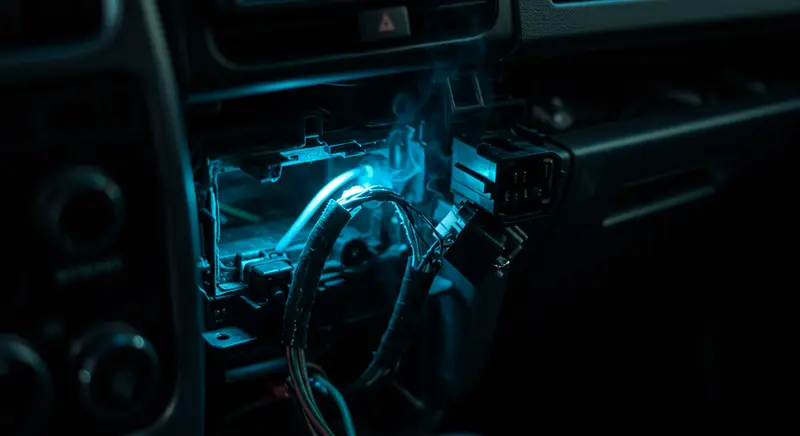
Signs You May Observe
- When you are driving, your headlights may flicker or appear abnormally dim.
- Electrical attributes such as the power windows, radio, or dashboard can begin to misbehave.
- An aromatic scent of a burning thing, which is even worse than a plastic one, can also be observed. They may indicate a hidden electrical problem with some warning light appearing on the dashboard.
What you should do:
In case you have newly installed any new electronic accessories, disconnect them and see whether the problem will subside. There is no time to delay: do not wait till the problem becomes even more serious, get your vehicle serviced by a qualified auto electrician at the earliest possible opportunity. Catching it early enough to be able to fix it before expensive repairs or worse electrical fire threat.
4. Symptoms of Electrical Problems
Something like the flickering or dim interior and exterior lights, and even trouble with individual electrical features, such as power windows, the stereo, or dash instruments, may indicate an electrical problem. A burning odor very similar to melted plastic or a heavy chemical, and many will describe it as sharp or electric smelling is another good indicator.
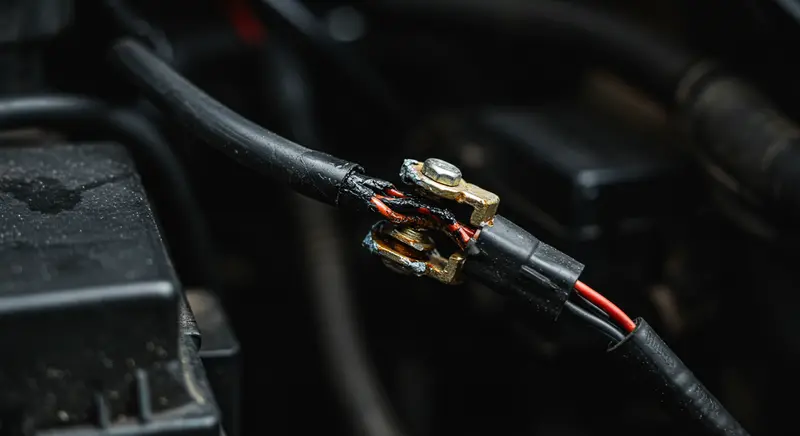
What to Do About Electrical Problems
- Try removing any aftermarket electronics (such as a new stereo, new light kit, or charging gear) that you have installed- a lot of them can have their power supplies and draw current, which may also contribute to the problem.
- Electrical overloads are due to poor assembly or wrong accessories.
- In case the problem has not been eliminated, it is worthwhile to get your vehicle electronically checked by a specialist auto electrician.
By dealing with the problem early enough, it is possible to avoid serious damage that can include electrical failure or even the threat of a burn.
5. Brakes that Smell
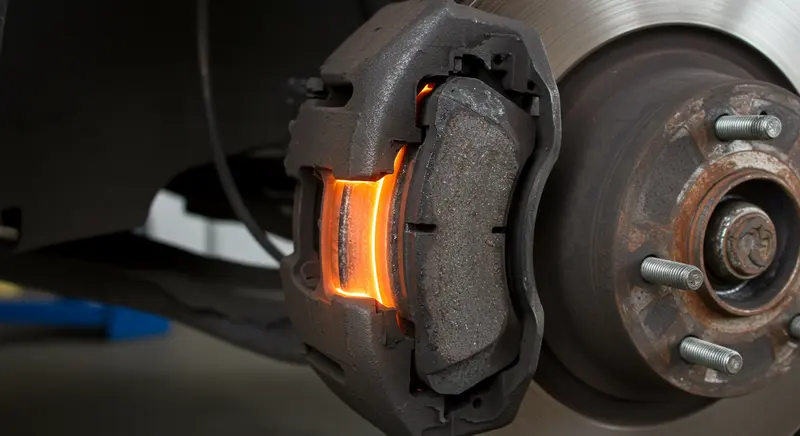
A burning smell after you press your brakes in a hard fashion, especially when you are on a downhill or stop-and-go traffic, might mean you have overheated brake pads or rotors. When you brake, you can experience grinding, squealing, or squeaking or in some case,s hear the brake pedal feel soft or spongy. All these are indications that your braking system needs to be under pressure or that it is done.
What to Do?
When this occurs, you can bring your brakes to a stop by pulling over, stopping, and letting them cool down. Do not abruptly or constantly press on the brakes, especially on hills. The smell persists, or you find that your braking capability does not seem to be up to standard, then have the brake system checked by a professional. The usual repairs can comprise the installation of new brake pads, resurfacing or rotating rotors, or removal of a seized brake caliper.
6. Worn or Slipping Serpentine Belt
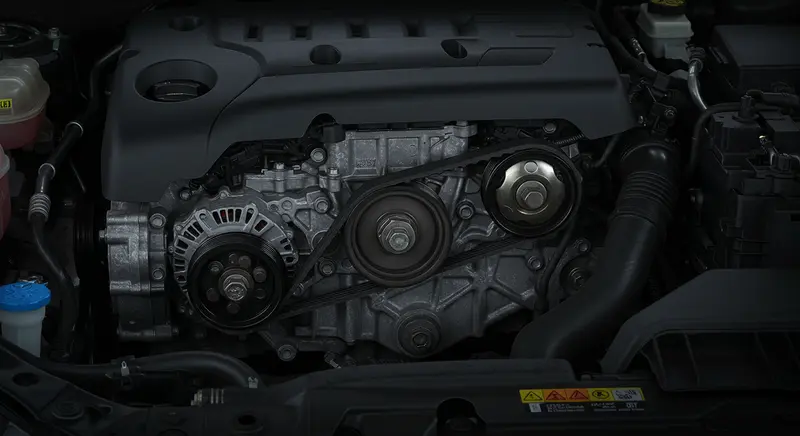
A serpentine belt is an extremely important component to drive important systems such as the alternator, power steering pump, and water pump. When this belt is frayed, misaligned, or even begins to slip, it may cause an odor of burning rubber by way of friction and heat. This may also be joined by problems of performance in the components that it drives.
Warning Signs
- Excessively squealing or chirping as one drives along.
- The belts are exposed to physical problems like visible cracks, glazing, or fraying on the belts
- Power steering or charging system reductions in effectiveness
What to do:
Look over at the serpentine belt and see if there is any wear or deterioration. Once you realize that it is cracked or damaged, change it right away. Be sure it is properly tensioned and in alignment, also. Failure to address this problem may result in a total belt breakdown and the power failure to various systems.
7. Leaks of Transmission Fluid
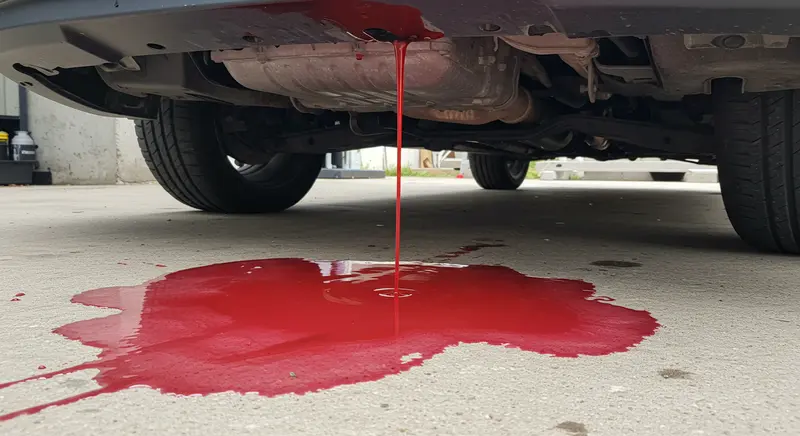
Transmission fluid is meant to cool and lubricate the transmission system. Nevertheless, when it leaks and comes into contact with the hot engine or exhaust components, it might have a burnt chemical odor. It is of particular concern as it can be a sign of a problematic deeper level of transmission, even when the temperature of the engine looks to be in the normal range.
Warning Signs
- Puddles or a drip-fix of reddish liquid under the car
- Problems with the switching of gears or unresponsive gears
- Loud noise or slipping when accelerating
What to do:
The transmission level can be checked using the dipstick (in case of one), and the level of fluid can be observed, as well as its color and smell. It can require a replacement, should it be dark brown or burnt-smelling. In case of a leakage, ensure a professional checks and services the transmission system in order to avoid consequences of the leakage.
8. Heater Core or HVAC Troubles
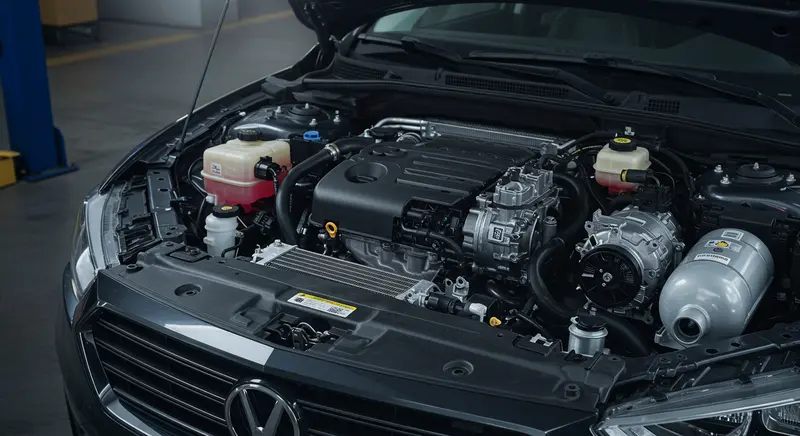
When you smell burning only when the heater or air conditioners in your car are in use, then the issue may be in the HVAC system. It may smell like burning or have a musty odor as a result of dust or mould trapped in the air vents that are heating up. In other instances, this odor can also be a result of a defective blower motor or electrical problems within the system. You also may notice low or uneven airflow through the vents. The smell of smoke, at times, can even be found, although no smoke can be observed.
What To Do?
The solution to resolving the problem begins with the change of the cabin air filter and proper cleaning of vents. Any buildup can be eliminated with the use of a disinfectant or HVAC cleaner spray. Failure to clear the smell may imply something more serious, with electrical or mechanical damage, and should be checked by a professional.
9. Bad Wheel Bearings
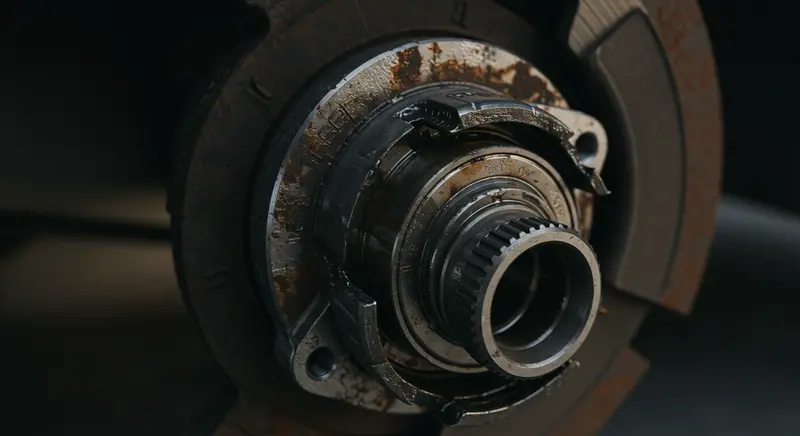
Wheel bearings serve to allow easy rotation of your car tires with an insignificant amount of friction. With time, they would wear off either due to dust, heat, or in case they are not lubricated. When this occurs, a de-rad mite odor of burned rubber at or around one of the wheels may result. These are accompanied by a grinding, humming, or growling sound that you may hear every time you drive, the louder the faster you go. There are also possible signs of unequal tire wear or a loose sensation in either of the tires.
What To Do?
Any sign of these symptoms would warrant you to check your wheel bearings with a mechanic at the earliest possible time. They can check, oil, and censor, or change them that could be broken, and guarantee your safety on the road.
10. Worn Parking Brake
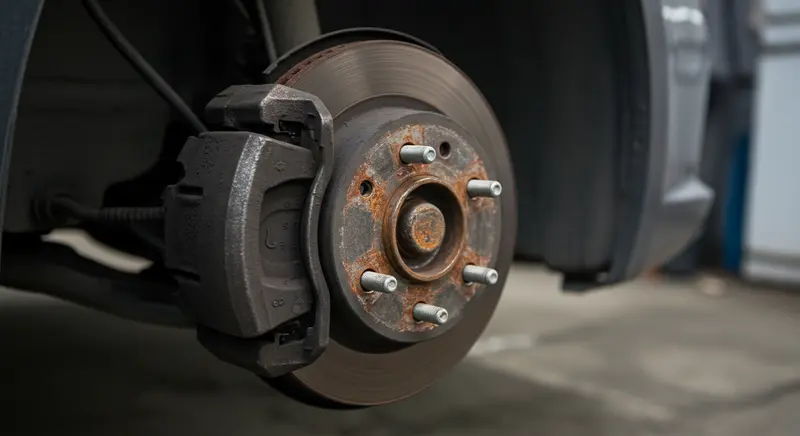
There are occasions where the driver puts on the parking brake, forgets to release it, and drives off, or in some cases, the parking brake may stick because of a malfunction. This keeps the rotors and the brake pads in contact with each other, thus the friction is continuous. As you proceed with your driving, this friction will cause the brakes to overheat, resulting in a pungent burning odour that would usually smell like hot rubber or burnt fabric. You may realize that the stench keeps becoming stronger in magnitude as you continue driving. The vehicle will also be less responsive or less speedy when accelerating, and in certain scenarios, there will be a brake warning light that displays on the dashboard.
What To Do?
In order to prevent this, you should never drive with the parking brake engaged. It should be checked by a mechanic if it is tight, like it should not be, it does not release smoothly, or the damage light remains on. Negligence over the problem may cause significant damage to the brakes or even premature wearing of the brake pads.
When are You Concerned?
When there is the smell of burning in your vehicle, it is not necessarily something of major significance, but it is by no means something that one must turn a blind eye to. It may even happen due to harmless situations, e.g., settling in of new parts or temporary situations.
But when the odor lingers or when it continues intensifying, however, this is an indication that something has gone wrong. It is time to get concerned when the smell persists despite the car not moving, increases over time, or is characterized by the dashboard lights blinking, or error messages in the form of unreadable letters.
It is particularly dangerous when the smell is accompanied by changes in the car’s performance, e.g., poor acceleration, slow reaction, and unusual noises. These are indications of more severe issues like hot brakes, imagining problems, trickling fluids, or circuit closing.
Preventive Tips
You can prevent breakdowns and costly repairs by assuring that problems are detected at an early stage. The following are some useful tips to ensure that your car is well taken care of and you minimize the possibilities of burning smells:
- Get to know your car: Is it leaking any fluids, do the belts look old and in bad shape, are there frayed wires or any other visible potential causes of damage?
- Be good at smelling and listening: Do not ignore new smells, particularly burning or chemical scents. They tend to act as premonitions.
- Follow the DOT-recommended maintenance schedule: Service your vehicle every so often according to the service intervals indicated in your vehicle owner’s manual. These include such routine checks as oil change and brake inspection.
- Ride the clutch and brakes carefully: Never use your clutch to ride; also, never brake at high speeds. Excessive wear and overheating may be caused by overuse.
- Take electrical changes seriously: Unless you want to blow a fuse or burn out wires, stay away from electrical alterations and have them done by a professional.
Final Thoughts
Having a burning smell without car overheating may sound and feel like a very vague and disturbing thing. Fortunately, there is usually a connection with non-cooling-system parts like the clutch, brakes, or electrical system. By checking for these signs and taking action early enough, you stand to save the high costs of repair as well as stay safe on the road.
Whenever you experience this kind of smell, always see an expert mechanic so that he can precisely diagnose the origin of the smell and correct it before it worsens into something greater.
