
What Car Accident Statistics Reveal About Driving Safety in Columbus
Driving through Columbus can feel routine, but the reality on the road tells a more serious story. Thousands of crashes occur across Franklin County yearly, with Columbus accounting for a significant share. These incidents aren’t just numbers; they reflect real situations affecting people.
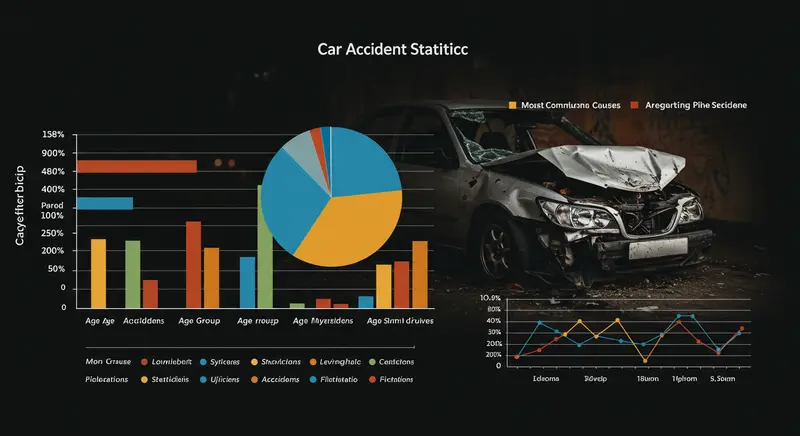
Looking closely at the data helps explain where the risks are and what’s contributing to them. Looking at car accident statistics, several patterns stand out.
What’s even more concerning is the rise in crashes resulting in serious injuries or fatalities, especially in recent years. This trend points to deeper safety concerns that go beyond just volume. Driving while distracted, speeding, and impaired continue to be major contributors.
Where and When Most Accidents Happen
Certain roads and intersections in Columbus consistently report higher crash rates. Areas like Morse Road, East Broad Street, and I-270 are often flagged for high incident rates. These are not just busy areas; they also combine high speeds, frequent lane changes, and many turning movements, increasing the risk of collisions.
Timing plays a role, too. Evening rush hour, especially between 4 p.m. and 7 p.m., tends to see the highest number of crashes. Weekend nights also show spikes, which often relate to impaired driving. The mix of traffic volume and risky behaviors during these times makes them especially dangerous.
Risk Factors Behind the Numbers
During the stay-at-home orders, the number of crashes where the reporting officer reported speeding as a contributing factor almost doubled from 2020.
In urban settings like Columbus, this is even more critical because higher speeds reduce the time drivers must react and increase the impact force during a crash. Distracted driving is another persistent issue.
Smartphones and in-car technology have added layers of distraction that make it easier for drivers to take their eyes or minds off the road. Ohio implemented a hands-free law in 2023 to address this, making holding a phone while driving illegal.
Early data suggests some impact, but enforcement and driver habits will determine long-term success. DUI, whether caused by alcohol or drugs, is a serious threat to safety.
In Franklin County, a significant number of fatal crashes involve impaired drivers. Despite widespread public awareness campaigns and legal penalties, impaired driving continues to take a toll.
Who Is Most Affected?
Young drivers are disproportionately engaged in collisions, particularly those between the ages of 16 and 24. The issue is exacerbated by their inexperience and propensity to drive while texting or speeding, among other risky activities.
At the other end of the spectrum, older adults also face higher risks, not because of risky driving but due to increased physical vulnerability and slower reaction times. Pedestrians and cyclists are another group at higher risk.
In 2023, Columbus saw a spike in pedestrian fatalities, with many occurring in low-light conditions or outside marked crosswalks. Infrastructure improvements like better lighting, pedestrian signals, and safer bike lanes are part of the city’s efforts to address this.
What the Numbers Tell Us About Safety
The Columbus statistics are more than just data. They point to specific behaviors, locations, and times that raise the risk of a crash and show who is most vulnerable.
Speeding, distractions, and impaired driving are common threads, and while enforcement helps, a lot still depends on the everyday choices made by individuals behind the wheel.
Wrap Up
Columbus has made some progress through policy changes and infrastructure updates, but the numbers show that there is still work to be done. Safer roads don’t happen automatically. They reflect ongoing attention, planning, and responsible driving habits from everyone.
