
6 Crucial Differences Between Car and Bicycle Accident Risks
Road safety is a shared responsibility, yet the risks faced by drivers and cyclists are far from equal. While both are vulnerable to collisions, the dynamics and consequences of car versus bicycle accidents differ significantly. As more cities encourage cycling through bike lanes and infrastructure improvements, understanding these differences becomes vital for both motorists and cyclists alike.
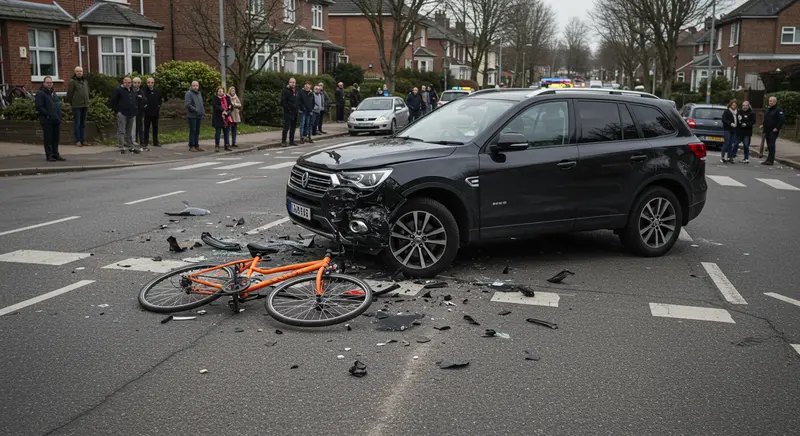
Car and bicycle accidents may involve similar settings—intersections, traffic signals, and roadways—but the risk factors, legal outcomes, and injury potential are often worlds apart. Recognizing these distinctions can help individuals make safer choices on the road, promote mutual respect, and better prepare everyone for the unique challenges each mode of transportation presents.
Here are six key differences between car and bicycle accident risks that every road user should know.
Level of Physical Protection
The most obvious and significant difference between cars and bicycles lies in the level of physical protection offered to the user. Cars are equipped with reinforced frames, airbags, seatbelts, crumple zones, and other safety features designed to reduce injury in the event of a crash. These engineering advancements have drastically improved survival rates and reduced serious injuries in vehicle collisions.
Bicycles offer no such built-in protection. Cyclists are exposed, with only a helmet and perhaps some protective clothing between them and the road or another vehicle. In the aftermath of such an incident, a bicycle accident lawyer can help victims understand their rights, navigate insurance claims, and pursue compensation for damages that may not be obvious at first glance. Even at low speeds, a collision can result in severe injuries for the cyclist, including head trauma, broken bones, and internal injuries. Because of this vulnerability, cyclists are at greater risk of life-altering injuries from even minor impacts.
Visibility and Detection
One of the leading causes of bicycle accidents is the failure of drivers to see cyclists. Bicycles are smaller and less conspicuous than cars, making them harder to spot—especially in poor lighting, during heavy traffic, or when obscured by larger vehicles.
Drivers may misjudge a cyclist’s speed or distance, particularly when turning or merging. At intersections and driveways, this miscalculation often leads to serious accidents.
While modern cars come with blind-spot monitoring and collision detection systems, these features are often calibrated for other vehicles, not bicycles. This technological gap increases the risk of collisions, especially in urban environments where cyclists frequently share the road with faster, heavier traffic.
Types of Common Accidents
Car accidents most often involve rear-end collisions, side impacts, and intersection crashes—scenarios in which vehicles collide at relatively equal sizes and speeds. In contrast, bicycle accidents often occur due to specific maneuvers or road-sharing conflicts.
Some of the most common bicycle accident types include:
- “Right hook” crashes, where a car turns right into a cyclist going straight
- “Dooring,” when a parked car door opens into the path of an oncoming cyclist
- Intersection conflicts, where turning vehicles don’t yield to cyclists with the right of way
- Rear-end collisions from distracted or impatient drivers
These types of accidents highlight the unique risks cyclists face when navigating roads designed primarily for motor vehicles.
Legal and Insurance Implications
Legal responsibility in car versus bicycle accidents can be complex. While traffic laws apply to both, cyclists often face uphill battles when dealing with insurance companies or proving fault in mixed-vehicle collisions.
Car accidents typically involve clear documentation, such as police reports, dashcam footage, and extensive insurance protocols. In bicycle accidents gathering evidence can be more difficult—especially if the cyclist is severely injured and unable to speak for themselves at the scene.
Speed and Reaction Time
Speed plays a significant role in both the likelihood and severity of accidents. Cars travel at higher speeds than bicycles, and the faster a vehicle is going, the less time there is to react to obstacles or changes in traffic flow. This can lead to more forceful impacts, longer stopping distances, and greater injury potential.
Cyclists, while slower, may still struggle with quick reactions—especially when trying to avoid hazards like potholes, debris, or suddenly opened car doors. The lighter weight and smaller frame of a bicycle mean that swerving or braking too quickly can cause the rider to lose control and fall, even without direct contact with another vehicle.
In this sense, both drivers and cyclists need to remain highly alert and anticipate the movements of others on the road to reduce the risk of accidents.
Post-Accident Consequences
The aftermath of an accident can look drastically different depending on whether you’re in a car or on a bicycle. For drivers, property damage and insurance claims are common concerns. Cars are designed to absorb impact and often protect occupants from the worst effects of a collision.
For cyclists, the consequences tend to be more physical and personal. Serious injuries often require emergency care, extended recovery periods, physical therapy, and long-term lifestyle adjustments. Medical bills can quickly pile up, and the emotional impact of the trauma may linger long after physical wounds heal.
By recognizing and respecting these crucial differences, everyone can contribute to safer roads—and when accidents do occur, knowing your rights and responsibilities can make all the difference in the path to recovery.
