
Chevy Impala Years to Avoid – Complete Guide
The Chevy Impala is a well-known automobile due to its roomy cabin, smooth cruising, and a wealth of power. But not every Chevy Impala model year has lived up to the car’s reputation. Hence, if you want to prevent spending money on expensive problems, finding out which Chevy Impala years to avoid can help you.
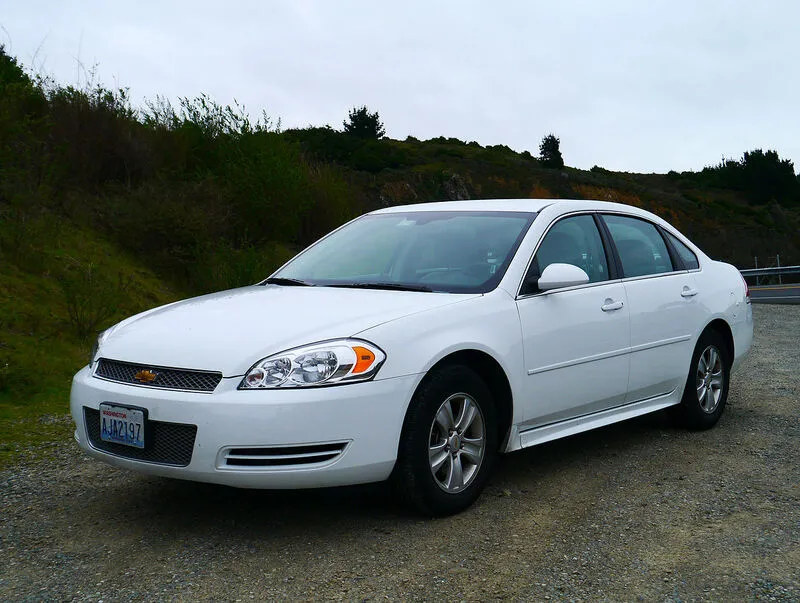
In this article, we will see which model years of the Chevy Impala have become notorious and the problems in these vehicle models.
Chevy Impala Years to Avoid – Quick Overview
The quick overview of Chevy Impala years to avoid and their issues is given in the table below:
| Model Years | Primary Issues | Details |
| 2001–2005 | Intake manifold gasket leaks, transmission failure, and electrical system issues | Coolant leaks, overheating, faulty instrument clusters, major repairs needed right after warranty |
| 2006–2009 | Transmission failure, engine mount issues, power steering failure, high oil usage | Transmissions fail at 80,000–100,000 miles, recall in 2007 for steering/control arm issues |
| 2010–2013 | Timing chain wear, suspension problems, and poor interior build | Clunking sounds, uneven tire wear, dashboard cracks, weak door handles |
| 2014 | Infotainment glitches, premature brake wear, and cabin assembly flaws | Improvements were made, but it still had early tech and braking issues |
| 2000 (Notable) | Electrical faults | Ignition-related electrical issues reported by many users |
| 2017 (Notable) | Infotainment software and connectivity issues | Users experienced glitches in system responsiveness and media connectivity |
List of Chevy Impala Years to Avoid
Here is the complete guide on Chevy Impala years to avoid:
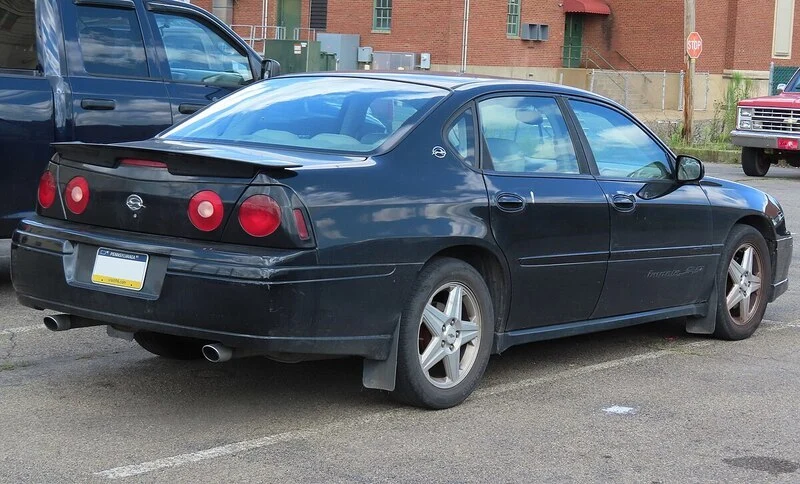
1. 2001 to 2005 – The Making of the Early 2000s Disaster
In the early 2000s, the Impalas were known to have problems that made owners and mechanics annoyed. The most obvious problem was defective intake manifold gasket seals. This problem resulted in playful coolant leaks and overheated engines, which result in high repair costs.
Furthermore, the automobiles created in these years often had:
- Transmission failure
- Trouble with the electrical system
- Unable to read the instrument cluster
The trouble was increased by the fact that these problems would appear just after the factory warranty expired. This experience led many owners to pay much more in repairs than they had spent on buying it.
Often, problems started to occur soon after the factory warranty expired, making the deal more expensive than it had looked.
2. 2006 to 2009 – Recurring Transmission Issues
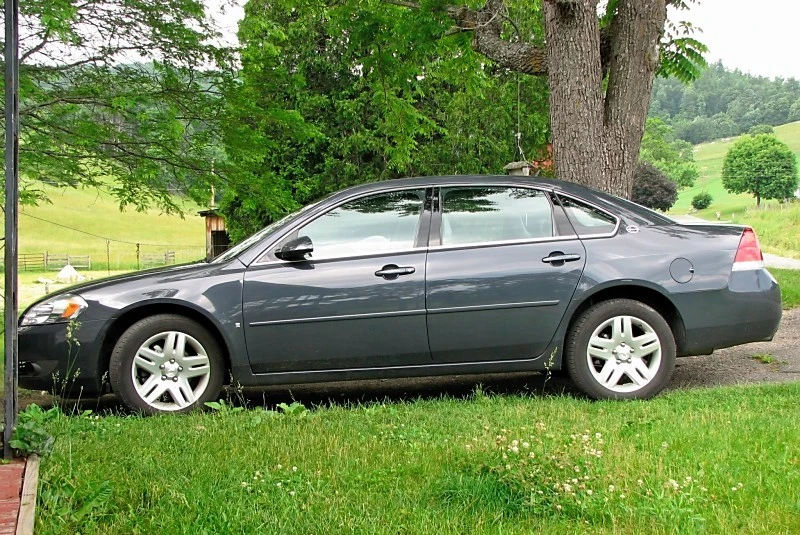
Chevy underwent a big redesign of the Impala in 2006. This look change was praised, but slow performance continued to be a problem. The biggest worry was that the transmissions would fail a bit too soon, ranging from 80,000 to 100,000 miles.
Many owners complained that their transmissions would suddenly shift roughly, slip in and out of gears, or experience a loss of power; the latter was especially dangerous if it took place while the car was on the highway. It usually requires $2,000 to $4,000 to repair a transmission.
Many participants raised the issue of additional problems as well.
- The engine’s motor mounts are broken
- Power steering does not work
- Too much oil is used
There was a recall for the 2007 Impala regarding problems with the power steering and control arm parts because it raised the risk of accidents. You should avoid buying this car because replacing a faulty engine or transmission can become very expensive. These are cars that buyers must be extra careful about.
3. From 2010 to 2013 – Models had issues with the engine and suspension
These Chevy Impala vehicles became more attractive as they are comfortable to drive, but major mechanical problems were not solved. Timing chain wear became a well-known issue for the 3.6-liter V6 engine featured during those years. Ignoring a worn timing chain can result in the engine not working well or, in the worst case, complete engine failure.

A rise in customers complaining about suspension problems was seen, mainly.
- Legs are heard clunking while driving over potholes
- Fast wear and tear of the struts and shocks
- Problems with alignment are the primary cause of uneven tire wear.
Some trim pieces, owners remarked, showed evidence of poor build quality. Cracks started to form in dashboards, and door handles were known to break early on. These little problems with the car are often a sign of broader shortcomings in workmanship.
Though these models are better than previous models, engine problems and suspension issues still make these cars one of the Chevy Impala years to avoid.
4. 2014 Chevy Impala – Things Got Better, But With a Few Problems
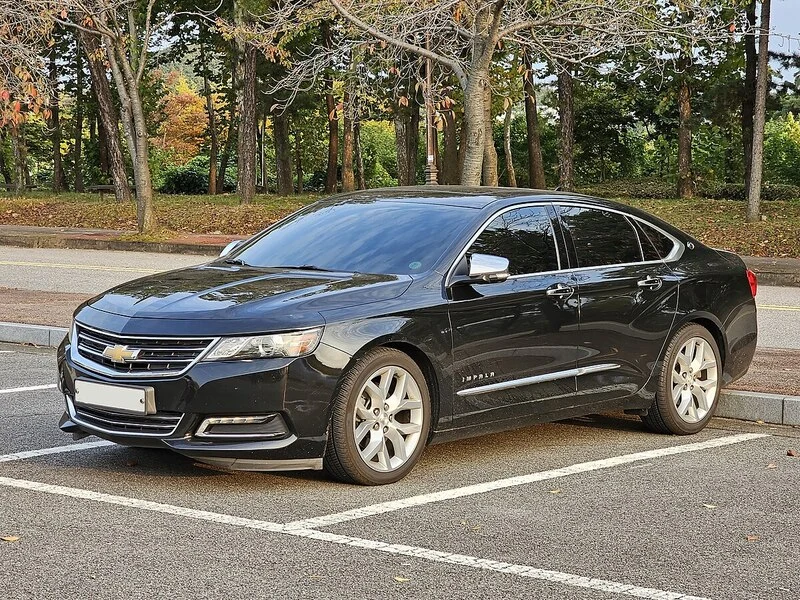
In the 2014 model, the automobile was upgraded with a fresh design, more advanced features and better noise insulation. Even so, there were some problems along the way.
Top issues:
- Problems encountered with early forms of infotainment
- Brake discs are wearing out faster than normal
- Small unhappinesses with the way things are assembled in the cabin
The 2014 Impala didn’t have as many problems as previous models, but GM improved these minor issues with later versions.
If you’re after a better and more reliable version of the redesigned Impala, it’s best to look at the 2015 Impala or newer.
Other Notable Years: When Lots of Complaints Were Made
While the models mentioned above have the biggest concerns, a few additional years also deserve your attention to avoid buying.
- Model 2000: It has many electrical faults, mostly related to ignition.
- Model 2014: Despite being updated, some of the first people to buy the model reported issues with the infotainment system and the brakes.
Several consumers in 2017 said they had connectivity and software problems with the infotainment system. These years may be rare, but they’re important enough to consider carefully if you’re considering them.
Which Chevy Impala Years Are Most Reliable (You Should Look for Them)
There are actually some models you might want to bypass, but the reliability and satisfaction of drivers really shine in others. Many experts and drivers agree on these years:
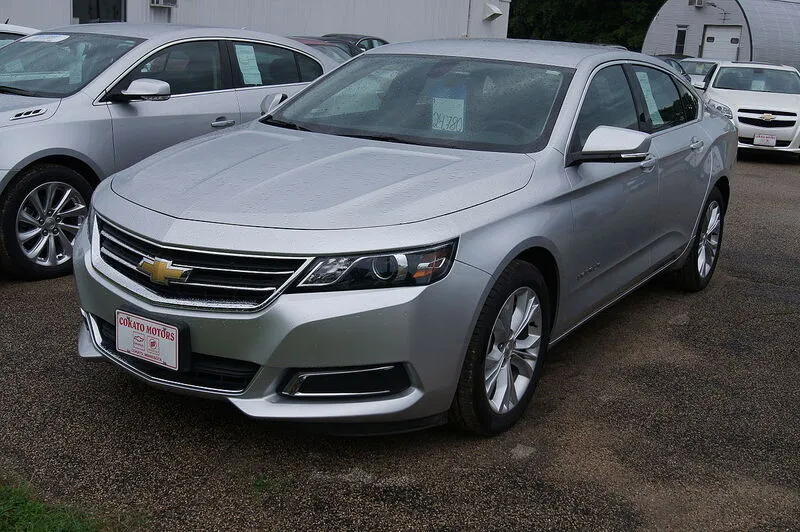
2015–2016:
- The updated design in 2014 resolved many mechanical problems.
- Better handling and more safety technology
- The improved and tougher 3.6L V6 engine makes the car better.
2018–2020:
- Refine technology for reaching the last years of production
- Strong and reliable systems for entertainment and connectivity
- Affordable and liked by most people as a full-size sedan
These models were regularly recognized and praised by J.D. Power, Edmunds and Consumer Reports.
What to Keep in Mind Before Purchasing a Used Chevy Impala
Here are a few points to consider before buying a used Chevy Impala:
- Be sure to look for recalls within the vehicle.
- You should first check NHTSA’s website for open recalls before you make a purchase.
- Make sure to get a service history when reviewing an older vehicle. Ask the owner for proof of routine care by reviewing records.
- Make sure to have a pre-purchase inspection before you buy. Allow a reliable mechanic to assess your car.
- It’s usually best to stay away from cars with very high mileage.
- Getting a product for less upfront can cost you more down the line.
- Using a VIN Check service like Carfax or AutoCheck can be a good source if you are looking up the accident or flood damage history of used cars.
- Test drive the Car on All Types of Roads: Pay attention to unusual sounds, notice any slowing down, and keep an eye on its performance under different circumstances.
- View Discussion Forums on NanoNG: Discovering problems becomes easier when you hear from customers, not from advertisements.
Bottom Line
Although the Chevy Impala is well-known for its full-size sedan field, it’s important to learn more about it. The time frames 2001-2005 and 2006-2009 are most risky due to their weaker components and ongoing expensive upkeep.
Aiming for Chevy Impala years to avoid and buying well-cared-for vehicles from 2015 can bring you a dependable, enjoyable and low-cost machine. With some knowledge, you can experience everything good about Impala ownership without facing many of its limitations.
FAQs
Here are some FAQs about Chevy Impala years to avoid:
The 2018 to 2020 Chevy Impala models have been rated as the most reliable. They have a smoother ride, new technology and less trouble mechanically than before.
The reports claimed that these cars frequently develop transmission troubles, have issues with power steering and suffer from suspension and engine parts that wear out quickly.
Although the 2014 Impala includes many new changes and a fresh look, early users say it had bugs with its technology and often needed brake changes and problems. It isn’t as refined as those built in 2015–2016.
Taking care of your Chevy Impala should make it easy for it to travel over 200,000 miles. Examine service records and confirm routine tasks for oil, brakes and fluid checks were completed.
Some models of Impala, from 2006 to 2009, were recalled more than once because of power steering, electrical and suspension issues.
