
Chevy Malibu Years to Avoid: Common Issues & Models to Skip
The Chevy Malibu has been a midsize car with which many customers are familiar for nearly four decades as it offers a comfortable ride at a reasonable price on the midsize car market while getting good fuel economy. However, a closer look will reveal that not all model years have been equal in terms of their production of high trim levels. Some years are characterized by high reliability, and other years are synonymous with high-reliability problems.
This guide will help you identify what Chevy Malibu years to avoid, common problems to be aware of, and tips for buying the right used model.
Understanding Chevy Malibu Years to Avoid
But when you’re shopping for a used Chevy Malibu, knowing which model years are the culprits is crucial. For some years, the Malibu has had chronic problems like faulty transmissions, electrical, and engine. Knowing these years may help you to avoid expensive repair bills and annoying problems in the future.
Why It’s Important to Get to Know the Chevy Malibu Worst Years
If a car model has a bad reliability rating, not only are you going to be frustrated, but your pocket will lightly be hit. Major problems call for expensive repair bills ranging from a thousand to several tens of thousands, for example, when the engine or transmission fails.
In addition, it may be more challenging to sell a car that already has recorded problems and, thus, has a low market value. It becomes easier to find a Chevy Malibu that will guarantee a longer period of service and satisfaction when you do not consider the year that is perceived to be bogged down with issues.
Most Common Problems With Chevy Malibu
Before diving into specific model years, let’s examine the most common issues that Chevy Malibu owners have reported:
- Transmission Failures: Some of the symptoms are rather costly to fix and are also reported frequently, and these include transmission issues. Signs can range from minor jerk, delay in shifting, to total failure of the transmission system.
- Experiences of electrical system malfunctions: Some of the electrical problems that are known include faulty car completed dashboards, power windows, anti-theft system problems, and the like.
- Engine Stalling or Misfires: There are cases of models with some issues with their engines that can lead to stalling, loss of power or even misfire while being attributed to bad sensors or bad designs.
- Steering Problems: Some of the recurring problems reported are the power steering failures coupled with warning lights on the dashboard.
- Premature Brake Wear: Some car owners have complained of having to replace brake pad and rotors often that the expected periods don’t mean anything.
A Breakdown of the Worst Chevy Malibu Years to Avoid
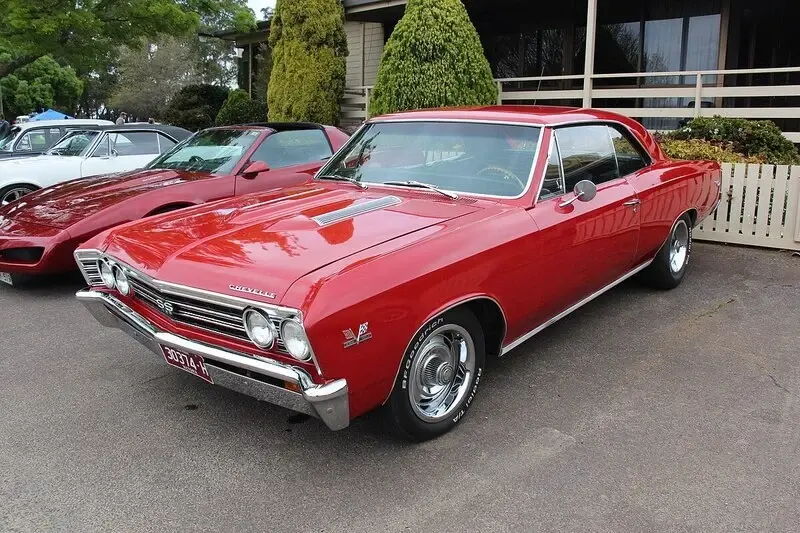
1st Generation (1964–1967): A Classic with Minimal Concerns
A first generation Chevy Malibu joined the Chevelle stable and is now a collectible muscle car. These models do not seems to have any serious problem, however because they are more than 50 years old any problem with them will be more of a case of age catch up or lack of proper maintenance. If you’re deciding on a classic Malibu, don’t necessarily look for particular years, but look for their general health.
2nd Generation (1968–1972): Rust and Aging Components
The second generation attracted attention with its muscle car models, but many of them have now become rusty and mechanically old. Buyers should be cautious of:
- Rusted frames and body panels are some of the symptoms of the vehicles.
- Engine and transmission wear.
- Shortage of spare parts for restoring the vehicle.
Do not select models that are not well maintained in case you are willing to engage in close end repairs.
3rd Generation (1973–1977): Heavy and Underpowered
In the third generation, emission standards reduced the motors’ efficiency and performance. Common complaints include:
- Underpowered engines.
- Poor fuel economy.
- Strong arresting body ending up making little contact.
Some people find these models beautiful and they still have some kind of use but definitely they are not good for today’s usable functions.
4th Generation (1978–1983): Reliability Issues
The downsized Malibu introduced in this generation suffered from several quality concerns:
Antennas, mainly the THM200, could receive weak signals.
Rust-prone body panels.
Delays in powertrain and engine reliability, especially in cars for the model that used a V6 engine.
Stay away from these years unless you want a restoration project of a classic car.
5th Generation (1997–2003): The Modern Malibu’s Rocky Start
The Malibu was absent from the market for 14 years and was renewed with an emphasis on comfort and practicality. However, earlier models in this generation were riddled with problems, particularly:
- 1997-1999 models: These had widespread problems of blown head gasket, leakages from intake manifold gasket and electrical faults.
- Generally low-quality construction work and low standard interior finishes.
The 2000-2003 models saw some improvements but still suffered from:
- Transmission failures.
- Faulty fuel pumps.
6th Generation (2004–2007): Transmission Troubles
While the 6th generation introduced a sleeker design and more powerful engine options, it came with notable problems:
- 2004-2005 models: Transmission faults were also experienced mostly needed a lot of money to get repaired.
- Electrical problems such as defective intermittent light on the dashboard and breakages on the car radio.
- The relatively low level of quality control on interior trim in specific.
Subsequent models are not as problematic, although the 2006-2007 models did not perform particularly well in the reliability field. Use these years with a lot of caution.
7th Generation (2008–2012): Widespread Complaints
This generation can be regarded as a definite improvement in design but is considered one of the most unreliable. Models to avoid include:
- 2008-2010 models: Common complaints include transmission issues, faulty steering, and electrical issues.
- 2011-2012 models: Some changes where implemented but the years in discussion remained associated with the problems of engine power and early wear of the suspension.
8th Generation (2013–2015): Tepid Performance
While the 8th generation aimed to modernize the Malibu, it was criticized for:
- 2013 models: Loss of power and accelerator lag and gear shifting issues. This year, recalls involving engines stand out more than any other part that is being recalled.
- 2014-2015 models: More which is well they still getting complaints of jerky transmissions, and low rear seat space.
Some of the owners considered these models to be less exciting as compared to rivals in the midsize sedan segment.
Chevy Malibu Models: The Ones To Go For
Some years of Chevy Malibu are widely considered problematic while in other years, the car has been hailed as reliable and powerful. Here are the Best Chevy Malibu years to consider:
2016-2020 (Ninth Generation)
As much as this generation can be blamed for the ungeometric design, it was also a great one because it came with improved fuel economy, a refined interior, and superior safety standards. The year 2016 and 2018 models were highly recommended by a number of users.
2021-Now (Tenth Generation)
Far from perfecting the previous models, this new generation has introduced a number of changes from the previous generations, it has a zoning ride, is more reliable, and has state-of-the-art technology.
The Signs That Will Help You Know When You Are Dealing with a Used Model
When purchasing a used Chevy Malibu, watch out for these warning signs:
- Unusual Noises: Any knocks, rattles, growls, or whines heard from under the bonnet suggest the engine or transmission is ailing.
- Warning Lights: When the hypocrisy is stripped away, sometimes all that is left to show for it is a dashboard filled with warning lights.
- Service Records: What might indicate noncompliance is when there is no history of vehicle maintenance.
- Visible Damage: Examine it for prior collisions and outstanding rust or questionable bodywork.
Problems That Chevy Malibus Have That Need Regular Maintenance for Older Models
Older Malibu models may require attention to specific areas:
- Regular Oil Changes: Regular oil change is important since the car may have high oil consumption, especially for the older models of Malibus.
- Brake Replacement: This might cause you to use your pads and rotors in earlier months or years than normally expected.
- Electrical Repairs: Expect occasional work with adjustments that entail the power window and locks, or even the console.
- Transmission Servicing: It also keeps your older car from developing even bigger problems in the near future if the transmission fluid is changed frequently.
Analyzing the Effect of Recalls on Used Car Purchase Decisions
Reminders are critical while purchasing a used car and can be termed as product risks. Some of the known models of Chevy Malibu have suffered different recalls over the years in matters relating to airbags, power steering, and many others. Before buying, run the VIN number on the National Highway Traffic Safety Administration (NHTSA) to make sure that the manufacturer has not issued any recall on the model and or specific car and that it has not been recalled for a specific fault, if any, was fixed.
Chevrolet Malibu Buying Tips
- Research the Model Year: Focus on years with high Chevy Malibu reliability ratings, such as 2016 or later.
- Request a Vehicle History Report: Reports from Carfax or AutoCheck will indicate cases of previous accidents, titles, or even tampered odometers.
- Inspect Thoroughly: The other thing you should do is take the car to a reputable mechanic for an inspection process before buying the car.
- Test Drive: Be sensitive to the car’s performance; the manner in which it steers, slows down, or speeds up.
- Negotiate the Price: Threaten to do more damage by citing common issues as the reason that you deserve a better deal.
Conclusion: Selecting the Year to Buy the Chevy Malibu
The Chevy Malibu over the years has been a car with its share of success and failure but still, it rates as a good car among the mid-size sedans. Focus on years excluding turbulent ones such as; 1964-1967, 1968-1972, 1973-1977, 1978-1983, 1997-2003, 2004-2007, 2008-2015. However, it is necessary to rely on models starting from 2016 and more trustworthy. It is always advisable to do research on the car, this involves inspection and history checks to avoid ending up with a wrong choice.
FAQ: Chevy Malibu Years to Avoid
Older Chevy Malibus often faces issues such as excessive oil consumption, transmission failures, electrical malfunctions, and suspension wear.
You can check for recalls on the National Highway Traffic Safety Administration (NHTSA) website using the vehicle’s VIN. Sellers should also disclose recall information upon request.
Always review the car’s history report, ensure consistent maintenance records, get a pre-purchase inspection by a mechanic, and research the specific model year for common issues.
Maintenance costs for older Chevy Malibus can vary depending on the model year and condition. Common issues like engine oil leaks, brake wear, and electrical failures can add up, so regular maintenance and inspections are crucial.
With proper maintenance, a Chevy Malibu can last between 200,000 to 250,000 miles or more. Regular servicing, timely repairs, and addressing issues promptly can significantly extend the vehicle’s lifespan.
