
Chevy S10 Years to Avoid: Buyers’ Guide to Smarter Purchasing
A used pickup truck is an intelligent purchase, but not all years are good. Though General Motors discontinued this vehicle in 2004, the Chevy S10 exuded a reputation of being affordable, agile, and having the capacity for light work. Although most of the S10 trucks were good traveling partners, there were some years when there were a lot of repeat problems that annoyed drivers and resulted in expensive fixes. When customers pursuing access to used trucks in the market today plan on such a purchase, it is important to understand which year models to avoid, as these can save one a greater deal on used Chevy S10 trucks.
Chevy S10 Years to Avoid
This guide will give information about the Chevy S10, its problematic years, most frequent problems, and suggested alternative models. In the end, it will assist in defining whether or not the 2025 S10 is still worth looking at.
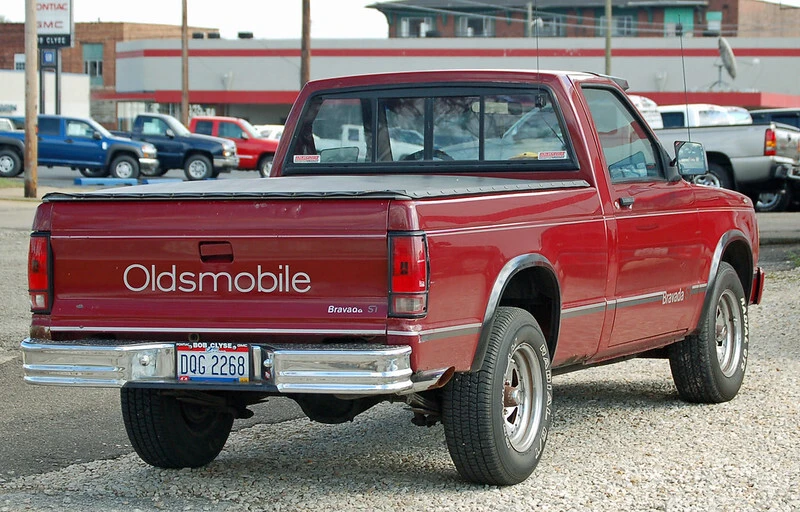
Short History of the Chevy S10
In 1982, the Chevy S10 became the first compact vehicle produced by a large domestic carmaking business. It has immediately become popular with buyers who want a downsized version of a full-size vehicle to run on fuel-efficient vehicles. S10 came in regular cab, extended cab, and crew cab, and either rear-wheel or four-wheel drive.
S10 had two generations that were launched in the market:
- First Generation (1982-1993): These cars are basic, primitive, and functional with four-cylinder and V6 engines.
- During the Second Generation (1994 2004): The car was redesigned into a modern such, with improved interiors and more engines, such as the 4.3L V6.eration (1982-1993): These vehicles are simple, rough, and practical, with improved interiors and V6 engines.
- Under the Second Generation (1994 2004): The vehicle was redone with contemporary styling, better interiors, and more engines, like the 4.3L V6.
Despite a substantial number of owners reporting that the S10 is dependable, some of the model years acquired a bad reputation regarding mechanical problems, reliability, or operating costs.
What Years To Avoid Chevy S10?
When shopping around for a used Chevy S10, do note that model years will differ between reliability and performance. Certain years gained reputations for chronic mechanical, poor build quality, or high maintenance cost problems. According to owner reviews, criticism by experts, and long-term reliability test results, here are the years you should avoid when purchasing a Chevy S10.
1) 1999 Chevrolet S10
The Chevy S10 1999 is considered one of the most complained-about models. Transmission issues were a common complaint of the owners who complained about the jerky shifting, slipping, and gears not engaging, and of course, transmission failing altogether. In addition to all that, drivers were experiencing electrical snafus with faulty ignitions and anything other than broken on the dashboard.
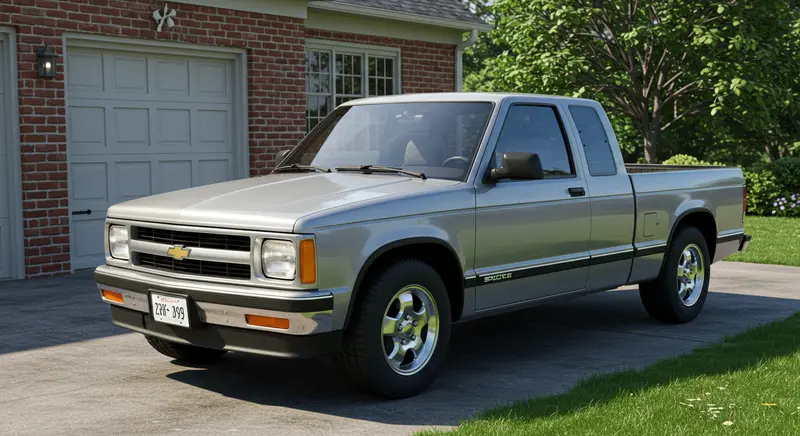
Other frequent problems were failure of fuel pumps, ABS problems, and premature rusting of important structural parts such as the frame and bed. This is because these issues made ownership expensive and unreliable.
2) 2000 Chevy S10
Mechanical problems were prevalent in the 2000 model year, as well, which was, however, much more modern-looking. The majority of the trucks using a 4.3L V6 engine were leaking from the intake manifold gasket, leading to contamination of the oil and overheating.

Other issues that these owners lamented about include harsh starts, oil leakages, and stalling. Another sore spot was electrical problems that were encountered repeatedly in the ignition switch and dashboard parts. To buyers, it was not worth it to pay the repair expenses on them to purchase this model year.
3) 2001 Chevy S10
By 2001, the Chevy S10 had not yet shaken off its problems with unreliability. Transmission failures increased, particularly in automatic examples. The gearshift was reported to be difficult, binding, and subject to frequent rebuilds.

In addition to transmission issues, the suspension and steering setups were not good, with worn ball joints and other steering parts creating potential safety issues. When it comes to used vehicles, the S10 of the year 2001 was a possible gamble, which on most occasions led to additional maintenance costs.
4) 2002 Chevy S10
The 2002 S10 is commonly graded as one of the least reliable of the whole line. It inherited the same transmission problems as in previous years and introduced more complaints related to faulty air conditioning, ABS, and the fuel systems. In there were colder climates, rust and corrosion were of concern as frames and undercarriages were wearing out before their expected life expectancy.
These issues only damage performance as well as the resale value, and the 2002 model is certainly one of the worst deals to be made.
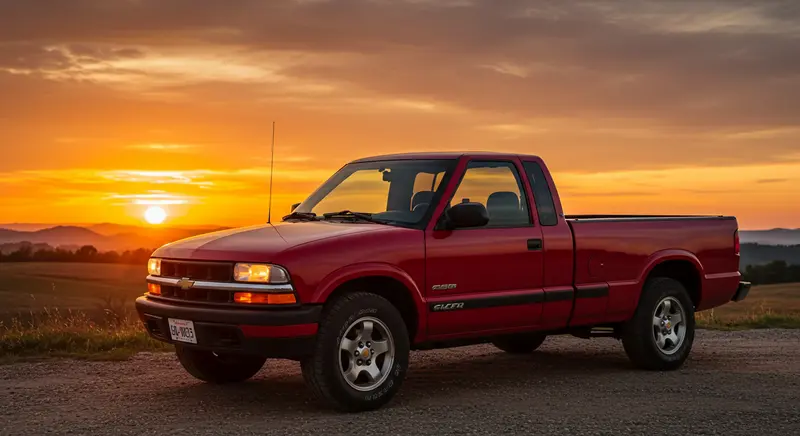
5. 2003-2004 Chevy S10 (Last Years)
The final two years that S10 was produced saw a downturn in the quality of the manufacturing process, with Chevy re-focusing its efforts towards their new Colorado. A significant number of owners complained of engine misfires, low fuel economy, and failures related to electricity.
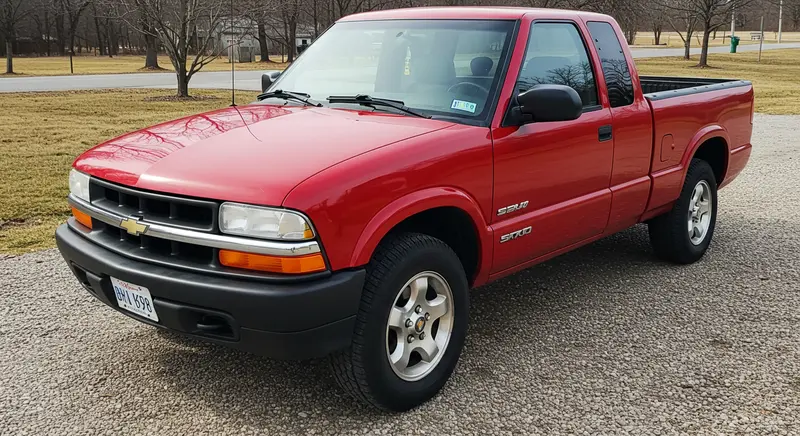
Although not all of these years had significant problems, the danger of ownership was more than in the case of the more reliable models introduced earlier. These last years can be regarded as a low point of the S10 family.
The Year to Avoid Chevy S10 Common Problems
Among the thorny challenges common to all these troubled years are the following:
- Failure to transmit, Hard shifting, slipping, and complete breakdown were frequent, and a lot of money was spent on rebuilding them.
- Engine Issues: Leaky intake manifold gasket, oil leaks, and rough idling were also common complaints, particularly on the 4.3L V6.
- Electrical System Malfunctions: Electrical malfunctions such as damaged ignition switches, faulty dashboards, and sensor malfunctions were the problems of various model years.
- Worn Steering Components and Suspension: Badly worn steering components and suspension were safety hazards.
- Rust and Corrosion: A large number of S10s were ravaged with rust on frames, beds, and wheel wells, especially in colder climates.
- Fuel Pump Failures: Also, faulty fuel pumps caused premature failure in the pumps, leaving several owners stranded, and repair costs were high.
- These issues did not run rampant in all of the vehicles, but the risk was very high in the specific years when customers need to take care that they are not overly affected.
Years to efficiently consider in Chevy S10
Although it had some poor years, the Chevy S10 also had some long-lasting years that are being hailed by people until today. The best years of purchase are:
- 1993 Chevy S10: It was the last year of the first generation with simpler mechanics and fewer recalls involving electronic complications of the said generation.
- 1994–1998 Chevy S10: First-generation models had already started to improve their styling and engineering, and they were tremendously underrated before they began to sour in their later years.
- ZQ8 and ZR2 Packages: These are special packages comprising improved suspensions and off-road abilities, which were steadily more enduring and in demand.
With good maintenance, such cars can continue to provide quality performance when going about town or transporting light loads.
Should You Still Buy a Chevy S10 Today?
Chevy S10 doesn’t have much production existence these days, as it was officially discontinued in 2004; however, it remains close to the hearts of truck enthusiasts. Since all of cm at least 20 years old, the decision to buy one should also be taken with a critical eye to the practicality combined with nostalgia.
Competitors To Chevy S10
Are you put off buying an S10 during the troubled years, but would like a compact and midsize alternative with a better record of reliability? Here are some models to consider:
- Toyota Tacoma is said to be a truck with an exceptionally long lifespan and resale value.
- Ford Ranger (1998-2011) models: Cheap but good, and very hard to find parts
- Nissan Frontier: The Nissan Frontier is another decent choice and has a powerful V6 option, as well as fewer frequent problems than the S10.
- Chevy Colorado: It is the successor of the S10 with modern functions, enhanced reliability, and higher performance.
Key Tips for Buying a Used Chevy S10
When purchasing an S10, you have to care and think strategically. These vehicles can also be reliable, but when it comes to neglect or a lack of proper servicing, previous owners may turn these money pit vehicles. The following key points will help to reduce risks:
- Check Service Records: Inquire about maintenance history. Patriotically taking care of oil changes, the cooling system, and especially using transmission fluid is very important. The history of the truck, which is properly documented, is a good indication that the truck has been taken good care of.
- Inspect for Rust: Rust is one of the most common issues of older S10 models. Pay close attention to the frame, undercarriage, rocker panels, and wheel wells. Heavy rust damage can affect the safety and be very costly to repair.
- Test the Transmission: Transmission problems were not unheard of with some S10model years. On the test drive, the transmission should shift smoothly. Grunts, hesitation, and clunking should be regarded as an indication of a problem.
- Get a Mechanic To Do a Pre-Purchase Inspection: It is worth the investment of having a professional mechanic examine the condition of the truck, even though it may appear to be in order. They know where to look and can detect certain issues you would not notice: cracks, leaks, or engine wear, or suspension problems.
- Steer Clear of Problem Years: 1973- 1974- 2005: Avoid the years with a proven reliability issue, at least until they hit a high mileage. Rather, hunt down the previous versions that have a proven track record of more reliability. The ideal searches are the trucks with low miles and regular maintenance.
Final Thoughts
The most difficult years to own a Chevy S10 are 1999-2002, with similar tendencies being experienced in the last years of production, 2003-2004. Transmission Malfunctions, engine and electrical problems are the main faults of these vehicles that are likely to be costly to repair. Conversely, the previous editions, such as the 1993 and 1994-1998 S10s, are seen to be more reliable and can still serve as sound economical options in case they have been well-serviced.
The Chevy S10 is both a practical subcompact truck and a piece of automotive history for potential buyers, but it is necessary to be alert when purchasing the model year. By learning which years to avoid and what models are reliable and trouble-free, you will be able to make a smarter decision and not deal with any unnecessary headaches that some of these vehicles can cause.
