
What to Know Before Choosing a Junk RV Buyer for a Moldy Rig in Arizona
Arizona’s dry climate may seem like a haven for RV storage, but mold still finds a way. Whether it results from plumbing leaks, roof cracks, or long-forgotten water damage, mold growth inside your rig can make the entire unit unsalvageable. Once contamination spreads into walls, insulation, and flooring, restoring the vehicle becomes labor-intensive and expensive. At this point, selling your mold-infested RV is often the most practical choice, but not just to any buyer.
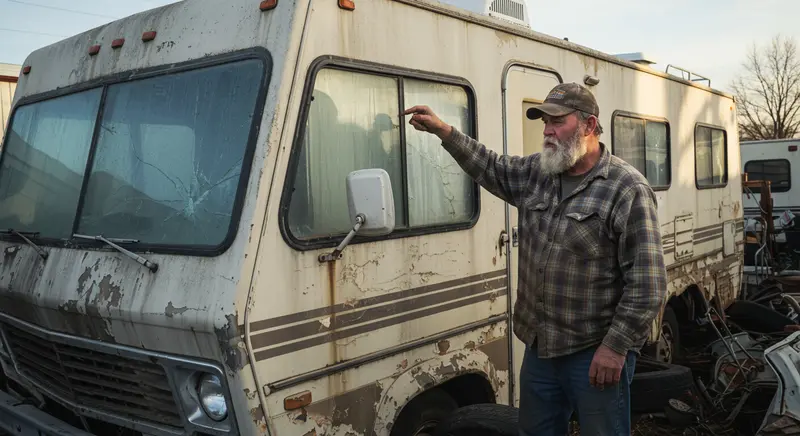
Before working with a junk RV buyer in Arizona, it’s crucial to understand what separates a reliable, professional transaction from a risky one. Mold isn’t just cosmetic damage—it poses health risks and often indicates deeper structural or material issues. That means not all buyers will be equipped to handle it properly or fairly.
Understanding the Scope of Mold Damage Before You Sell
Mold in an RV can originate from even minor water intrusion. A single leaking skylight or neglected condensation issue can allow mold to spread quickly through ceilings, soft surfaces, and cabinetry. Identifying the extent of the damage is the first step in preparing a property for sale. Have a professional assess the mold situation. Check whether the issue is localized to one area or spread throughout the interior. This information helps frame expectations and impacts the offer a buyer is likely to make. A buyer specializing in mold-damaged vehicles will evaluate risks such as air quality issues, structural decay, and cleanup costs when pricing your rig.
Evaluating the Legitimacy of RV Removal Services
Not all junk buyers operate with the same standards. Before selecting a junk RV buyer in Arizona, verify that they hold proper licenses and follow legal protocols for disposal and title transfer. Mold-contaminated RVs require special handling in some cases, especially if materials are removed and discarded. Confirm that the buyer complies with environmental regulations and understands how to handle hazardous waste properly.
Look for buyers who offer clear contracts, proof of insurance, and a documented process for hauling and removal. Avoid individuals who insist on quick cash deals without paperwork. These scenarios often end with unresolved liability issues or incomplete title transfers, particularly in Arizona, where vehicle laws are stringent.
Comparing Cash Offers vs. Long-Term Cost Savings
A moldy RV quickly loses market value, but that doesn’t mean you should accept the first lowball offer. Reputable buyers assess salvageable parts, including appliances, electrical systems, exterior panels, and trailers, to determine their value. These components still hold value, even if the interior is compromised.
Consider what’s left functional. Does the engine still run? Is the generator intact? Can the tires, solar panels, or awnings be reused? Buyers who focus on parts recovery often offer better compensation than those who provide a flat scrap rate.
Weigh the offer against your current expenses. Storing a mold-infested RV for an extended period can pose significant health hazards, cause property damage, and lead to additional repair costs. Selling quickly to the right buyer can help you avoid months of carrying costs and cleanup responsibilities.
Knowing Arizona-Specific Regulations for RV Sales and Transfers
Each state handles salvage and junk RV sales differently, and Arizona has clear rules regarding the transfer of ownership of inoperable or damaged vehicles. When mold is involved, it’s essential to document the RV’s condition and include complete disclosures in the bill of sale.
You’ll need to provide a clear title, complete a notarized transfer, and report the sale to the Arizona MVD. Some counties may require a separate emissions exemption form if the RV won’t be driven again. Work only with buyers who understand this process and assist you in finalizing all necessary forms. Incomplete paperwork can lead to registration issues or legal liability down the line.
Spotting Red Flags in Buyer Behavior or Communication
A moldy RV can still attract genuine interest, but you should remain vigilant for signs of unprofessional conduct. Beware of buyers who:
- Refuse to inspect the vehicle before quoting
- Offer drastically below local market averages without justification.
- Pressure to make a quick decision.
- Avoid written agreements or ownership verification.
Ask direct questions about how the mold will be handled, whether they will haul the RV themselves, and what specific documentation they require. A trustworthy buyer will respond with clarity and patience. If communication feels rushed, vague, or inconsistent, that’s a signal to move on.
Exploring Alternative Options Beyond Traditional Buyers
If your RV has value beyond its mold damage, consider options other than a straight junk sale. Local RV dismantlers, mobile home renovators, or even trade schools might be interested in the shell or frame. These entities often seek damaged rigs that they can strip, study, or repurpose for their use.
You can also list the RV online in communities where DIY builders seek projects or raw materials. Be honest in your description and include photos showing both the damage and any remaining functional components. Selling parts individually may require more time, but the total payout could exceed what a single junk buyer offers.
Navigating the Sale with Confidence and Control
Mold damage may lower your RV’s value, but it doesn’t eliminate your options. Choosing the right junk RV buyer involves more than just accepting a cash offer—it’s about ensuring a clean, legal, and efficient handoff. Arizona’s regulations, combined with the health concerns associated with mold, underscore the importance of informed decisions. And while your mold-damaged RV may not fetch a premium, it’s helpful to remember just how broad the value spectrum can be—some luxury models, like the most expensive motorhome in the world, command multi-million dollar price tags.
Taking time to research buyer credentials, understand your RV’s residual value, and comply with local laws empowers you to exit the situation safely and profitably. Mold doesn’t have to mean total loss—it just means it’s time to move forward with a strategy.
