
Choosing Waterproof & Easy-Clean Seat Covers for SUVs
Have you ever watched a coffee spill creep across your SUV’s upholstery and felt that instant wave of regret? You’re not alone.
Every day, your vehicle’s interior faces a battle against life’s messiest moments. Muddy paws from your dog, juice boxes from the kids, and dirt from weekend adventures all take their toll. Without proper protection, these everyday incidents can leave permanent damage to your investment.
That’s where waterproof SUV seat covers become game-changers for busy families across America. Modern protection solutions shield your seats from spills, stains, and wear without sacrificing comfort or style. In fact, today’s options can actually enhance your vehicle’s look while keeping cleanup incredibly simple.
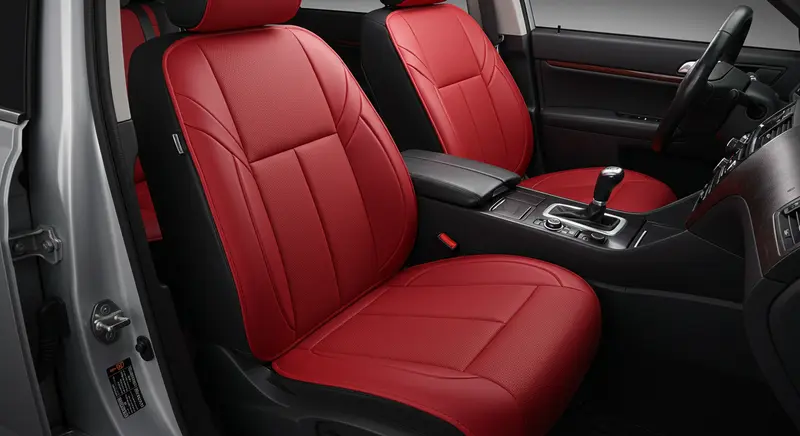
This guide walks you through everything you need to know about finding the best seat covers for SUVs. You’ll discover which materials work best, how to match your lifestyle needs, and what features truly matter. By the end, you’ll feel confident making a choice that protects your ride for years to come.
Understanding the Importance of Seat Covers
Seat covers might seem simple, but they’re key to keeping your SUV in top shape. They act as a shield for your vehicle’s interior, protecting it from damage. Whether you drive your SUV for work, fun, or family trips, your seats face a lot of wear.
Many SUV owners don’t see the damage until it’s too late. Spills, UV rays, pet claws, and daily use can ruin your seats quickly. The right seat covers can make a big difference.
Safeguarding Your Financial Investment
Your SUV is a big investment, costing between $30,000 and $70,000 or more. Protecting its interior is crucial. The upholstery is more than fabric; it’s a valuable part that affects your SUV’s resale value.
Repairing damaged seats can cost over $2,000. High-quality SUV seat covers protect against UV rays, spills, and daily wear. They’re a smart way to save your seats from damage.
The sun can fade and crack leather seats in just a couple of years, especially in sunny places. Durable seat protectors can extend your seats’ life by five to ten years. This can add hundreds or thousands to your SUV’s resale value.
- “A well-maintained interior can increase a vehicle’s resale value by up to 15%, making seat protection one of the smartest investments an owner can make.“
Insurance companies and auto appraisers say interior condition is key to a vehicle’s value. Clean, undamaged seats show a vehicle has been well cared for. Buyers are willing to pay more for a vehicle that looks and feels new inside.
Boosting Comfort and Personal Expression
Seat covers offer more than just protection. They can make your SUV more comfortable. Many covers have extra padding for long trips, reducing fatigue.
They also help regulate temperature. Quality covers keep you cool in summer and warm in winter. Materials like neoprene and special fabrics breathe better than standard upholstery, preventing a sweaty back on hot days.
Seat covers also let you customize your SUV’s interior. You can choose bold patterns, team colors, or sleek designs. The options are virtually limitless.
These covers don’t sacrifice protection for style. Today’s covers are waterproof and stylish. You can show off your style while keeping your seats protected from spills and stains.
The best part? You can easily remove seat covers when selling your SUV. This way, you can keep your seats looking new while showing off your personal style.
Key Features to Look for in Seat Covers
Not all seat covers offer the same level of protection. It’s important to know what to look for before buying. The market has many options, but only certain features will really protect your SUV’s interior and make your life easier.
Waterproof Protection That Really Works
It’s crucial to understand the difference between waterproof and water-resistant materials. Waterproof covers have sealed seams and barrier layers that block liquid. Water-resistant covers only repel moisture temporarily before it soaks through.
True waterproof materials create a barrier between spills and your original upholstery. This is absolutely essential for parents, pet owners, or those who transport outdoor gear. A single coffee spill on unprotected leather seats can cause permanent staining and reduce your vehicle’s resale value.
The science behind waterproofing involves special membrane technologies. These technologies block water molecules while allowing air circulation. Quality waterproof covers prevent that uncomfortable sweaty feeling during hot summer drives. Look for covers that specify their waterproof rating, often measured in millimeters of water column pressure they can withstand.
- Sealed seams: Prevents water from seeping through stitching
- Membrane barriers: Blocks liquid while maintaining breathability
- Quick-dry surfaces: Allows moisture to evaporate rapidly
- Protection depth: Shields seat cushions and foam padding
Convenient Cleaning Solutions
Busy Americans need easy to clean car seat covers that fit their active lifestyles. The best covers offer multiple cleaning options—from simple wipe-downs to complete machine washing. This flexibility means you can quickly handle minor messes or deep-clean when necessary.
Wipe-clean surfaces represent the ultimate convenience feature. A damp cloth and mild soap remove most spills in seconds, getting you back on the road without delay. This quick-clean capability proves invaluable during road trips when you can’t remove covers for laundering.
Machine-washable covers take convenience further by allowing thorough cleaning at home. Simply remove the covers, toss them in your washing machine, and they emerge fresh without special care instructions. Look for covers that maintain their waterproofing and shape after repeated wash cycles.
Stain-resistant SUV seat covers feature advanced coating technologies that repel liquids before they penetrate fabric fibers. These treatments cause spills to bead up on the surface rather than soaking in immediately. Most quality stain-resistant coatings last for years, though reapplication products exist for extended protection.
The chemistry behind stain resistance involves fluoropolymer or silicone-based treatments. These treatments create a molecular barrier. This invisible shield gives you precious seconds to wipe away spills before permanent stains develop. Parents dealing with juice boxes and pet owners managing muddy paws particularly appreciate this feature.
Built to Last Through Years of Use
Durability determines whether your seat covers remain a smart investment or become a recurring expense. Quality covers incorporate reinforced stitching at high-stress points like seams and attachment areas. Double or triple-stitched edges resist tearing even with frequent removal and installation.
Fade-resistant materials maintain their appearance despite constant sun exposure through your SUV’s windows. UV-stabilized fabrics use special additives that prevent color degradation and material breakdown. This protection keeps your covers looking new year after year, even in harsh sunlight climates.
Manufacturing warranties provide the best indication of a product’s expected lifespan. Companies confident in their seat covers offer warranties ranging from one to five years or more. These guarantees protect your investment and signal that the manufacturer stands behind their durability claims.
Consider the total cost of ownership when comparing prices. Investing slightly more upfront for easy to clean car seat covers with superior durability often costs less than replacing cheaper covers every six months. Quality features like reinforced corners, heavy-duty zippers, and abrasion-resistant fabrics justify higher initial prices through extended service life.
- Check stitch density: More stitches per inch indicate stronger seams
- Examine material thickness: Heavier fabrics typically outlast thin alternatives
- Review warranty terms: Longer coverage suggests better quality
- Research brand reputation: Established manufacturers deliver consistent quality
- Read long-term reviews: User experiences after months of use reveal true durability
The combination of waterproof protection, convenient cleaning options, and lasting durability creates the ideal foundation for stain-resistant SUV seat covers. These three features work synergistically—waterproofing prevents deep stains, easy cleaning maintains appearance, and durability ensures years of reliable protection. Prioritizing these characteristics when shopping guarantees you’ll find covers that truly meet your needs.
Types of Waterproof Materials
Waterproof seat covers are made from different materials, each with its own benefits. Knowing these can help you pick the best for your SUV seats. Each material has its own strengths in durability, comfort, and how easy it is to keep clean.
The top three materials are neoprene, canvas, and polyester. These are used in millions of vehicles. Let’s look at what makes each special and how they might fit your needs.
Synthetic Rubber Protection
Neoprene is a premium waterproof material loved by outdoor fans. It’s the same rubber used in wetsuits, showing its water-blocking power. It comes in 2mm to 4mm thickness, offering comfort and flexibility.
It naturally fights mold and mildew. Great for humid places or beach trips, neoprene keeps your seats dry. It also resists UV damage, preventing fading.
Neoprene feels slightly cushioned, making long drives comfortable. It adjusts to your body heat, but can get hot in very warm weather.
Neoprene covers are pricier. But, they offer long-lasting protection and comfort.
Heavy-Duty Fabric Option
Canvas is known for exceptional durability. It’s a heavy cotton fabric with waterproof coatings. This makes it tough against tears, abrasions, and daily wear.
Canvas is perfect for work trucks and contractors. It withstands tools and equipment without showing wear. Its rugged look suits utility vehicles well.
Canvas is superiorly breathable compared to synthetics. It allows air to flow, preventing sweaty backs in summer. This makes it comfortable in warm weather.
Quality canvas covers last years with care. They age well, gaining a worn-in look. Regular cleaning and waterproof coating treatments keep them in top shape.
Versatile Synthetic Fiber
Polyester is the most versatile and budget-friendly waterproof option. It’s a synthetic fiber that can be treated to block moisture. Different technologies enhance its protective qualities.
Polyester is lightweight, making covers easy to install and remove. They dry fast, ideal for active families. They handle spills and pet messes without staying wet.
Polyester offers a wide range of colors and patterns. You can find classic black, vibrant colors, or custom designs. This lets you match your vehicle’s style while keeping it protected.
Polyester is stain-resistant when treated right. Most spills clean up easily without leaving marks. While it may not be as durable as neoprene or canvas, it’s great for everyday use at a lower cost.
Polyester is a smart choice for those on a budget or new to seat covers. It offers reliable protection without a big expense. Many polyester covers last several years with normal use, making them a practical choice for most SUV owners.
Benefits of Easy-Clean Seat Covers
Keeping your SUV clean doesn’t have to take up your whole weekend. The right seat covers make it easy. They turn messy situations into quick fixes.
Life moves fast, and so should your car care. Washable seat covers for SUVs offer convenience without losing protection. They help you keep your car clean and enjoy it more.
Quick and Convenient Maintenance
Old-school upholstery cleaning takes too much time and effort. It’s something most people can’t fit into their busy lives. Easy-clean covers make this problem go away.
Imagine a Monday morning coffee spill on your seat. With regular fabric, it’s a big problem. But with easy-clean covers, a quick wipe fixes it in minutes.
Machine-washable covers are even better. Just toss them in the washer and they’re ready in a day. Many people clean them with their laundry.
For covers you can’t remove, cleaning is still easy:
- Spot cleaning: Use mild soap and warm water for most spills and stains
- Quick wipes: Keep cleaning wipes in your glove box for immediate response
- Vacuum regularly: Remove loose dirt and debris before it becomes embedded
- Air dry: Most waterproof materials dry quickly without special equipment
This simple routine saves you hours every month. Forget about spending weekends cleaning your car.
Healthier Interior Environment
Easy-clean seat covers also improve your health. Original fabric upholstery traps allergens like dust mites and pollen. These are hard to remove, even with professional cleaning.
Smooth, non-porous surfaces are a game-changer. Washable covers with waterproof barriers don’t trap allergens. Regular cleaning keeps the air healthier for people with allergies or asthma.
The waterproof layer also stops liquids from getting into the foam. This prevents mold and mildew. These fungi cause bad smells and harm air quality.
Odor prevention is key in everyday life:
- Sweat from summer drives or gym trips
- Food and beverage spills during road trips
- Pet accidents and wet fur smells
- Muddy shoes and outdoor gear residue
Regular cleaning stops bacteria that cause bad smells. A quick wash removes the source, not just covers it up. This keeps your car smelling fresh, not just temporarily.
Families with young kids benefit a lot. Kids create messes and bring germs into cars. Easy-clean covers help keep things clean without worrying about damage.
These covers save time and improve health. They’re a smart investment for SUV owners. They protect your seats and make driving better for everyone.
How to Measure Your SUV’s Seats
Getting the right seat measurements is key to avoiding bad fits and returns. It’s important to measure carefully to find the best seat covers for SUVs that fit perfectly. With a few tools and some patience, you can get all the info you need to buy with confidence.
Measuring might seem like a chore, but it’s easy. You can do all the measurements in about 15 minutes per seat. Having these numbers ready makes it easier to compare products and avoid sizing mistakes.
Taking Accurate Measurements
First, grab a flexible measuring tape, like the kind for sewing. You’ll need to measure four key dimensions for each seat to ensure a good fit.
The first measurement is the seat bottom width. Measure from side to side at the widest point of the cushion. This is usually in the middle, not at the front or back.
Next, measure the seat bottom depth. Start from the front edge of the cushion and go back to where it meets the backrest. Make sure to push the tape down into the crease for an accurate reading.
For the backrest height, measure from where the seat bottom meets the backrest up to the top of the headrest. If your headrest is adjustable, measure it in the position you usually use. Some people prefer to measure to the top of the seat back and then add the headrest height separately.
The final measurement is the backrest width. Measure across the widest part of the backrest, which is often near the shoulder area. Keep the tape straight and taut for consistency.
Write down all measurements in inches, as this is the standard in the United States market. Take measurements for each individual seat since driver and passenger seats sometimes differ slightly. Even small variations can affect how well your covers fit.
Don’t forget to measure around any built-in features. Note the location and size of armrests, especially if they’re integrated into the seat rather than the door. Measure any console areas or cup holders that protrude into the seating space.
For bench seats in the back row, measure the full width from one end to the other. Mark where any center consoles, cup holders, or dividers interrupt the seating surface. These details help you choose between one-piece covers or split designs.
Understanding Different Seat Configurations
Your SUV’s specific seat style significantly impacts which covers will work best. Knowing these details helps you filter through options quickly and choose products designed for your exact setup.
Bucket seats versus bench seats represent the most basic distinction. Front seats are almost always buckets, while rear seats might be either style. Bucket seats need individual covers for each position, while bench seats can use one continuous cover.
Check whether your headrests are integrated or detachable. Integrated headrests are built into the seat back as one piece. Detachable headrests can be removed through posts. This affects how covers slip over the top of your seats.
Look for built-in armrests on your seats. Some fold up from the seat itself, while others are fixed in place. Covers need openings or flexible panels to accommodate these features without bunching or tearing.
Power-adjustable seats have controls mounted on the side of the seat. Quality covers include cutouts or pockets that allow access to these buttons and switches. Make note of where your controls are located.
The presence of side airbags is crucial information. Many modern SUVs have airbags integrated into the seat backs. You must use covers specifically designed with airbag-compatible stitching that allows the airbag to deploy properly. Never use standard covers on seats with side airbags.
Split-folding rear seats come in different configurations. The most common are 60/40 splits, where the larger section folds independently from the smaller one. Some vehicles have 50/50 splits or even 40/20/40 configurations. Knowing your split ratio helps you choose covers that maintain this functionality.
Your vehicle’s owner manual is a valuable resource for these specifications. Many manufacturers also provide detailed seat information online. Some websites that sell the best seat covers for SUVs include fit guides where you can enter your vehicle’s year, make, and model to see compatible options.
Consider taking photos of your seats from multiple angles. These pictures serve as helpful references when shopping online. They remind you of features you might otherwise forget and help customer service representatives assist you better.
Understanding your seat configuration helps you decide between universal-fit, semi-custom, and custom-fit options. Universal covers work across many vehicles but may fit loosely. Semi-custom covers fit specific seat types more precisely. Custom-fit covers are made for your exact vehicle and provide the most tailored appearance.
Popular Brands for Waterproof Seat Covers
The market has many waterproof seat covers, but some brands stand out. These brands offer quality materials, reliable protection, and great customer support. They are known for making waterproof seat covers that work well in real life.
It’s important to know the differences between brands. Each brand has its own strengths, like custom-fit designs or affordable universal options. Let’s look at what makes these brands special in the car accessories world.
American Craftsmanship: Covercraft
Covercraft has been making car accessories since 1965. They are known as one of America’s most trusted names. They specialize in custom-patterned seat covers made just for your car.
Their covers fit perfectly, unlike generic ones. They use durable materials and classic designs. They have waterproof lines like Carhartt Duck Weave and Seatsaver Polycotton.
Covercraft is known for premium SUV seat covers priced from $150 to $400 per row. People say their covers are well-made and last a long time. They also offer a good warranty and customer service.
“Quality automotive protection doesn’t happen by accident—it’s engineered through decades of experience and attention to detail.”
Hawaii’s Waterproof Specialists: Wet Okole
Wet Okole comes from Hawaii, where the name means “wet butt” in Hawaiian pidgin. They started with surfers and beach-goers needing protection from water and sand. Their beach culture shows in their waterproof products.
They make neoprene seat covers that are 100% waterproof and fit your car perfectly. Neoprene is water-resistant and feels comfortable. It also wicks away moisture to keep seats dry.
Outdoor lovers, pet owners, and families love Wet Okole. Prices are $350 to $600 per row, showing the quality and custom work. They’re made in the USA, supporting local manufacturing and quality control.
These covers protect against mud, spills, and more. They fit well and look like they came from the factory. It’s a good investment for maximum protection.
Value-Oriented Protection: FH Group
FH Group focuses on affordable universal-fit options without losing quality. They know not everyone wants custom covers or high prices. They offer good protection for any budget.
Their waterproof covers cost $30 to $100 for a set. They don’t fit as well as custom ones but are durable and easy to install. Many say they stay in place well despite being universal.
FH Group has many styles and colors. They let you choose covers that match your SUV’s interior. They’re easy to install, taking less than an hour.
Customers say these covers work well for everyday use. They’re great for those new to seat covers or needing temporary protection. FH Group shows you can get quality without a high price.
Each brand offers something special. Covercraft is known for precision and quality, Wet Okole for extreme waterproofing, and FH Group for budget-friendly options. Your choice depends on your needs, how you use your car, and your budget. All three brands have happy customers and reliable products.
Installation Tips for Seat Covers
You can change your SUV’s interior in under an hour with the right steps. Most drivers find installing seat covers much easier than they thought. With clear instructions and a step-by-step method, you’ll have your new covers in place quickly.
Installing durable SUV seat protectors is easy without professional help. Anyone can do it with basic attention to detail. Let’s go over what you need to know to install your covers correctly the first time.
Following a Clear Installation Process
Installing durable SUV seat protectors is easy when you break it down into steps. Take your time and work methodically for the best results. Here’s how to get your covers fitted properly:
- Remove the headrests first: Press the release button at the base and pull upward firmly. Note that some integrated headrests don’t remove, so you’ll need covers specifically designed for that style.
- Position the cover over the seat back: Start from the top and work downward, making sure any logos or design elements are centered and facing the right direction.
- Tuck the excess material into crevices: Use your hands or the provided tools to push fabric into the gap between the seat bottom and backrest. This creates a tight, professional appearance.
- Pull the cover tight to eliminate wrinkles: Smooth out any bunching or loose areas by adjusting the fabric until it sits flat against the seat surface.
- Attach all straps, buckles, or hooks underneath: Follow the manufacturer’s instructions carefully, as these typically wrap around the seat frame or connect to specific anchor points.
- Install the seat bottom cover next: Center it carefully and work from front to back, tucking edges into crevices as you go.
- Secure the bottom straps or elastic edges: Reach underneath the seat to fasten all attachment points firmly, ensuring nothing comes loose during use.
- Reinstall the headrests through designated openings: Make sure they align properly and click securely back into place.
Here are some helpful tips to make your installation smoother. Work in a shaded area on hot days so metal seat parts don’t burn your hands. Consider having a friend help with larger bench seats in the back row.
Don’t rush the process—installation typically takes 20 to 45 minutes per seat depending on complexity. Take breaks if you need them. The extra time spent getting everything just right pays off in better appearance and longer-lasting protection.
Gathering Helpful Installation Accessories
While many durable SUV seat protectors install with just your hands and included hardware, having a few simple items nearby makes the job easier. These tools help you work faster and achieve better results. You probably already have most of them around your home.
Here’s what can make your installation go more smoothly:
- Plastic trim tool or butter knife: Perfect for tucking material into tight crevices without scratching leather or vinyl surfaces.
- Upholstery tool or ruler: Helps you reach deep into seat crevices where fingers can’t easily go.
- Pliers: Useful for pulling straps extra tight or connecting hooks in hard-to-reach spots.
- Flashlight: Essential for seeing clearly under seats when attaching straps to anchor points.
- Scissors: Only needed if trimming is explicitly allowed by the manufacturer—most covers shouldn’t be cut.
Remember that the majority of seat covers require no special tools whatsoever. Manufacturers design their products for easy installation using only what comes in the package. If you find yourself struggling or thinking you need unusual equipment, double-check the instructions to make sure you’re following the correct method.
With these installation tips and the right mindset, you’ll have your covers in place and looking great in no time. The confidence you gain from completing this project yourself makes the small time investment completely worthwhile.
Customer Reviews and Recommendations
Looking through customer reviews can be overwhelming. But, knowing what to look for makes it easier. There are many opinions online, but not all are helpful. Learning to spot good reviews saves time and helps you choose the best seat covers for your SUV.
Evaluating Customer Feedback
First, look for verified purchaser reviews on sites like Amazon, AutoAnything, or the manufacturer’s website. These reviews come from actual buyers, making them more trustworthy. Reviews from people with your SUV model or similar vehicles are the most useful.
When reading reviews, focus on a few key points. Check if the covers fit as promised. Many reviewers share their experiences with installation time, helping you know what to expect.
The best reviews talk about long-term performance, not just first impressions. A cover might look great at first, but how does it hold up over time? Look for comments on:
- Waterproofing effectiveness: Stories about spills, wet dogs, or muddy gear
- Cleaning experiences: How easy it was to clean the covers
- Material quality: Signs of wear, fading, or damage over time
- Customer service: How well companies handled questions or warranty claims
- Repurchase intent: Would the reviewer buy these covers again?
Look for patterns in reviews rather than single opinions. One bad experience might not be typical. Check the review dates to make sure the feedback is current, as products can change.
Be wary of overly generic or promotional reviews. Good feedback includes specific details and honest assessments of both good and bad points.
High-Performance Products Worth Considering
Many products get high praise from SUV owners across different price ranges. These top-rated waterproof seat covers offer reliable protection and meet the needs of quality-conscious buyers.
In the premium category, Wet Okole’s neoprene custom covers often get ratings over 4.5 stars. Customers love their waterproofing and durability, even at higher prices. The tailored fit looks like it came from the factory.
Covercraft’s Carhartt seat covers are recommended for those needing rugged protection. The heavy-duty canvas construction stands up to tools and daily wear without losing its professional look. Reviews highlight its performance in wet conditions and rough treatment.
The mid-range market offers great value with products like Rough Country’s neoprene covers. These cost between $200 and $300 and provide a custom-fit quality at a lower price. Customers praise the balance between affordability and performance, saying they’re surprised by how well they compare to premium options.
For budget-conscious shoppers, universal-fit options are a good choice. FH Group’s water-resistant polyester covers and Motor Trend’s AquaShield covers are both affordable and well-regarded. They offer decent protection without breaking the bank.
These affordable options are great for occasional spills and light use. They might not last as long as premium products, but they’re reliable at a lower price. Many customers say they’re surprised by the quality they get for the price.
Each product meets different needs and budgets but shares common strengths. They keep water out, fit well, and earn customer loyalty. Reading detailed reviews helps you understand which features are most important for your SUV.
Take your time to research products that interest you. Your priorities might differ from others, so find the features that matter most to you. The effort to read thorough reviews is worth it when you find the right seat covers for your needs.
Price Range for Quality Seat Covers
The seat cover market has something for everyone, from affordable to luxury options. Knowing what each price range offers helps you choose wisely. Whether it’s for a work truck or a family car, there’s a perfect fit for you.
Price isn’t everything. A $50 cover might be all you need, while others might spend $600 on premium protection. Your vehicle’s value, how you use it, and how long you keep it all play a role in making the right choice.
Affordable Protection That Works
For under $100, you can get basic seat covers. These fit most vehicles and offer good protection without costing too much. Brands like FH Group, BDK, and OxGord are popular choices with many positive reviews.
These covers are made of polyester or thin canvas and are waterproof. They might not feel as fancy as more expensive options, but they get the job done for everyday messes. With proper care, they can last for years.
These covers might need some adjustments to fit perfectly. They can last one to three years with regular use. They’re great for older cars or as a temporary solution.
Budget options are perfect for certain situations:
- Protecting cars with worn interiors
- Seasonal use like beach trips or camping
- Rental properties or fleet vehicles needing basic protection
- Testing whether seat covers work for your lifestyle before upgrading
Keep an eye out for sales and discounts. Black Friday, Memorial Day, and end-of-season sales can offer better deals. Patient shoppers can find great deals by timing their purchases right.
Investment-Grade Protection
Premium SUV seat covers cost between $300 and $700 per row. Front seats are $350-$500, and rear seats are $400-$700. Brands like Wet Okole, Coverking, and Covercraft’s premium lines make these high-end options.
What makes these covers worth more? Superior materials, precise engineering, and exceptional longevity set them apart. They’re made of thick neoprene or heavy-duty canvas, lasting five to ten years or more. Many owners say their premium covers last longer than their cars.
These covers are custom-fit for specific models, giving a factory look. They fit every contour of your seats, staying in place without constant adjustments. The difference in comfort and looks is noticeable.
Safety features are a big focus at this price point. They’re airbag-compatible and have safety certifications. They also offer better padding and breathability for long drives.
Many premium covers come with three to five year warranties. They’re made in America, supporting domestic manufacturing and ensuring quality. The investment protects your seats and your car’s resale value.
Consider the long-term cost. A $600 cover lasting ten years costs just $60 a year. This is cheaper than replacing $80 covers every two years, which totals $400 over ten years. Premium options often prove more economical over time.
The Middle Ground
Mid-range covers, priced between $150 and $300 per row, offer a good balance. Brands like Rough Country, Smittybilt, and Covercraft’s standard lines provide better fit and materials than budget options but without the premium price.
These covers have semi-custom fits for vehicle categories, not specific models. They’re made of quality materials like medium-weight canvas or standard neoprene. They last three to five years with normal use.
Mid-range options are great for newer cars where protection is important but perfection isn’t needed. They handle active lifestyles, pets, and kids while looking good. Many customers find this sweet spot meets all their needs.
Your choice depends on your unique situation, not a one-size-fits-all solution. A contractor might need heavy-duty protection, while someone making occasional grocery runs might not. Both choices can be right for their needs.
Think about how you use your vehicle daily. Consider whether you’ll keep it for three years or ten. Think about your comfort and aesthetic preferences. The perfect seat cover matches your lifestyle and budget without compromise.
Environmental Considerations
Choosing eco-friendly options doesn’t mean you have to give up on protecting your SUV. More companies now make seat covers that are good for both your car and the planet. While perfect eco-friendliness is hard in car parts, the industry is making big steps forward.
You can find seat covers that are both effective and kind to the environment. Knowing what makes a cover more eco-friendly helps you choose wisely.
Materials That Make a Difference
The move towards greener materials is growing in the seat cover world. Most waterproof covers still use synthetic materials for their performance. But, some makers are exploring new, more sustainable ways.
Organic cotton canvas with water-based treatments is a great alternative to synthetic materials. Brands like Covercraft are adding organic or recycled materials to some of their products. These covers protect your SUV while being better for the planet.
Recycled polyester is another big step forward. It turns plastic bottles and old clothes into useful seat covers.
Some makers now use 30-50% recycled materials without losing waterproofing or strength. This means you get great protection while helping the environment.
Natural rubber is starting to replace synthetic materials, though it’s still rare. As technology gets better, we’ll see more natural options.
When shopping, look for these eco-friendly labels:
- OEKO-TEX Standard 100 means the materials are safe for your skin
- bluesign approval shows the product was made sustainably
- Recycled content certifications tell you how much of the material is recycled
- Organic certifications ensure the materials are natural
Being eco-friendly might mean spending a bit more or choosing different products. But for those who care about the planet, it’s worth it.
Finding the right balance between being green and being good is possible.
Production Practices That Matter
Being eco-friendly isn’t just about the materials. How and where products are made also matters a lot.
American-made products from brands like Wet Okole and some Covercraft lines cut down on shipping emissions. Making products here supports local jobs and lets you know more about how they’re made. Products made closer to home have a smaller carbon footprint.
Some companies are using solar power or have become carbon-neutral. These actions show they’re serious about being green, not just making claims.
The debate between custom-fit and universal covers has an environmental side too. Custom-fit covers might cost more upfront but use less material. Universal covers often need trimming, which creates waste. Custom covers use just the right amount for your SUV.
Durability is key to being sustainable. Covers that last 7-10 years make less waste than cheap ones that need replacing every 1-2 years. Even if they cost more to make, they’re better for the planet in the long run.
Look for these signs of sustainable manufacturing:
- Products made in the USA to reduce shipping emissions
- Renewable energy used in making the products
- Efforts to reduce waste and use materials wisely
- Clear information about where and how products are made
- Long warranties that show confidence in the product’s durability
Do your research on a company’s green claims before buying. Look for specific, measurable actions they’re taking. Companies that are open about their practices show they’re serious about being green.
High-quality SUV seat covers are sustainable in ways you might not think. A cover that lasts a decade means you don’t need to replace it as often. This reduces the need for raw materials, energy, and transportation over time.
Even eco-friendly products have some environmental impact. But choosing durable, responsibly made seat covers is a step in the right direction. Your choices help push the industry to be greener.
Every small choice you make can add up to big change. By picking seat covers that protect your SUV and the planet, you’re helping the industry move towards a greener future.
Conclusion: Making the Right Choice
With all the info on materials, installation, and upkeep, you’re set to pick the best seat covers for your SUV. Choosing the right waterproof & easy-clean seat covers for SUVs is easy once you know what you need.
Assess Your Lifestyle Needs
Think about how you use your vehicle every day. Do you carry kids to activities? Do pets ride with you? Does your job involve carrying outdoor gear or tools?
Make a quick list of what you need. Look at waterproof ratings, material types, and how they’re installed. Also, think about your local weather and how much time you have for cleaning.
Don’t forget about your budget. Good waterproof seat covers are an investment in your SUV’s value. Weigh the initial cost against how long they last.
Embrace Worry-Free Adventures
Imagine your future adventures with the right seat covers. Coffee spills in the morning are just a minor hassle. Beach trips with sandy feet and wet swimsuits won’t worry you anymore.
Your dog can go on family outings without worrying about muddy paws ruining your seats. Kids can have snacks and drinks on road trips, and you can relax.
Quality easy-clean seat covers let you use your SUV as you meant to. You bought a vehicle for an active lifestyle. The right protection lets you enjoy that lifestyle fully.
Now, go shopping with confidence. You know how to pick covers that fit your needs perfectly.
FAQ:
Waterproof seat covers block liquids from reaching your seats, even with lots of water. Water-resistant covers can handle light spills but may let liquids through with more exposure. If you have kids, pets, or outdoor gear, waterproof covers are the best choice.
Most seat covers are easy to put on yourself. It takes about 20-45 minutes per seat, depending on your SUV’s design. Universal-fit covers are the easiest, while custom-fit ones might take longer but come with clear instructions. You’ll need basic tools like a plastic trim tool or butter knife.
Cleaning methods depend on the material of your seat covers. For everyday spills, a damp cloth and mild soap work well. For deeper cleaning, many covers can be machine-washed. Always follow the care instructions for the best results.
It’s crucial to check if your covers are airbag-compatible. Covers designed for airbags won’t block them during an accident. Look for brands like Covercraft, Wet Okole, and Coverking for compatible options. Never use generic covers on seats with airbags without checking compatibility.
Neoprene and heavy-duty canvas are great for pet owners. Neoprene resists moisture and is easy to clean. Canvas is durable against scratches and digging. Both materials are puncture-resistant and handle pet wear well. Look for non-slip backing and hammock-style covers for back seats.
Lifespan varies by material and use. Budget-friendly covers last 1-3 years. Mid-range covers last 3-5 years. Premium covers can last 7-10 years or more. Warranties range from 1-5 years, showing the manufacturer’s confidence in their durability.
It depends on the manufacturer. Budget options come as sets for $30-$100. Custom-fit covers are priced per row, with discounts for buying both front and rear. You can buy just one row if needed. Check product descriptions for what’s included in the price.
Quality covers work with heated and ventilated seats, though they might affect performance slightly. Thicker covers may reduce heating or cooling. Look for covers specifically tested for these features. Most users find the benefits of protection worth any minor comfort loss.
Yes! Durable covers can keep your seats looking new, increasing resale value. Even if you keep covers on until selling, they can reveal protected seats. This can save you thousands of dollars compared to reupholstering.
Custom-fit covers are worth it for those who value appearance and protection. They cost $300-$700 per row but offer a perfect fit and access to all features. Universal-fit covers are cheaper but might not fit as well. Custom-fit is better for newer, higher-value SUVs.
Breathability varies by material. Neoprene and canvas are designed to be comfortable in heat. Look for breathable or ventilated covers in hot climates. Most users find the benefits of protection worth any minor discomfort.
Odors come from moisture, spills, or organic material. Regular cleaning prevents most odors. For wipeable covers, clean weekly with soap or vinegar. For machine-washable covers, wash every 1-3 months. Use odor eliminators or air out your SUV to remove smells.
