
Why Classic Broncos Are Built Tough: How Safety Has Evolved Since the 1970s
The classic Ford Bronco has long been celebrated as a symbol of rugged American engineering. Its boxy silhouette, off-road capability, and durable construction made it an icon on city streets and wilderness trails alike. But while toughness was always a hallmark, safety features in early Broncos were minimal compared to today’s standards.
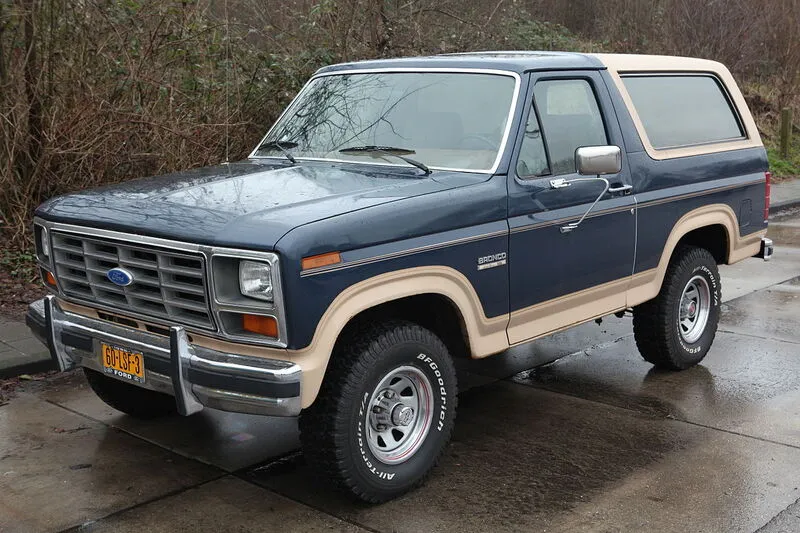
In this post, we’ll explore how safety has evolved since the 1970s and how modern restorations are blending nostalgia with modern protection to keep these classic SUVs road-ready and secure.
The Birth of the Bronco: Tough by Design
When Ford introduced the Bronco in 1966, the goal was simple: build a compact, go-anywhere SUV that could handle off-road adventures while carrying passengers and cargo. Early models featured a sturdy ladder-frame chassis, high ground clearance, and heavy-duty suspension—making them capable of tackling rough terrain that few other vehicles of the era could match.
However, safety was not the main focus. Crumple zones were minimal, seatbelts were basic lap belts, and there were no airbags. The Bronco’s toughness relied more on its rugged build than on sophisticated protective features, making it more of a “survivor” than a modern safety-conscious vehicle.
Understanding 1970s Safety Standards
In the 1970s, vehicle safety standards were just beginning to take shape. Regulations like the Federal Motor Vehicle Safety Standards (FMVSS) were introduced, requiring seatbelts and basic crashworthiness tests. Yet the perception of safety often prioritized mechanical reliability over passenger protection.
For Bronco drivers, this meant relying on the vehicle’s steel frame, off-road stability, and driver skill rather than advanced features. While these SUVs were built tough, accidents could still be severe due to the absence of modern safety technology we now take for granted.
Evolution of Safety Features in Broncos
From Steel Frames to Modern Protection
Today, the approach to Bronco safety has shifted dramatically. Restorations now focus on preserving the classic appeal while integrating modern protections. Common upgrades include:
- Seatbelt enhancements: 3-point harnesses replace old lap belts for improved restraint.
- Roll cages and reinforced frames: These add structural integrity, especially during off-road adventures.
- Braking and suspension improvements: Anti-lock braking systems and modern suspension tuning enhance control.
- Airbags: Some restorations include airbags discreetly integrated into the cabin for added protection.
These upgrades have tangible benefits: fewer injuries in accidents, better handling, and safer off-road performance. For enthusiasts interested in fully upgraded models, a restored Bronco perfectly blends classic design with modern safety features.
Why Restorations Prioritize Safety Today
Modern restorers are increasingly focused on safety for a simple reason: these vehicles are now used for more than just weekend drives. Families, off-road enthusiasts, and collectors want a classic SUV that’s safe for everyday use.
Reinforced chassis, improved braking systems, modern lighting, and upgraded seatbelts are now standard in many high-end restorations. Safety has become a selling point as much as style, proving that a classic Bronco can be both iconic and secure.
Comparing Then and Now: Safety Metrics
When comparing a 1970s Bronco to a modern restoration, the differences in safety are clear. Older models had longer braking distances, higher rollover risks, and minimal crash protection. Today’s restorations address these vulnerabilities with reinforced frames, modern suspension tuning, and advanced braking systems.
Even minor upgrades, like properly installed roll bars and 3-point seatbelts, can dramatically improve passenger safety. The takeaway? A vintage vehicle can be both a collectible and a modern, safe ride if handled by experienced restorers and thoughtfully updated with today’s standards in mind.
Practical Tips for Bronco Owners and Enthusiasts
Safety-First Restoration Advice
If you own a classic Bronco or are considering a restoration, here are a few key tips:
- Inspect the frame and suspension: Rust or structural weaknesses can compromise safety.
- Upgrade braking and lighting systems: Modern brakes and LED lighting improve control and visibility.Use certified restorers: Professionals ensure safety upgrades are installed correctly without compromising authenticity.
- Source quality parts: Genuine or high-quality aftermarket parts ensure reliability and safety.
By prioritizing these steps, you can preserve the classic appeal of the Bronco while driving with confidence.
Conclusion
The Ford Bronco’s journey from a rugged 1970s SUV to a safer, modern classic is a testament to the evolution of automotive safety. Original Broncos were built tough, but today’s restorations offer the best of both worlds: iconic style and modern protection. Whether you’re an off-road adventurer or a collector, investing in a restored Bronco ensures that you enjoy the nostalgia and the road ahead safely.
