
Seasonal Visitors in Crashes with Rental Cars: What Drivers Need to Know
Popular tourist destinations and regions with high seasonal traffic face a unique challenge: the regular influx of transient drivers. Whether these drivers are vacationers using rental cars or seasonal residents using out-of-state vehicles, their presence dramatically increases the complexity of resolving an accident claim.
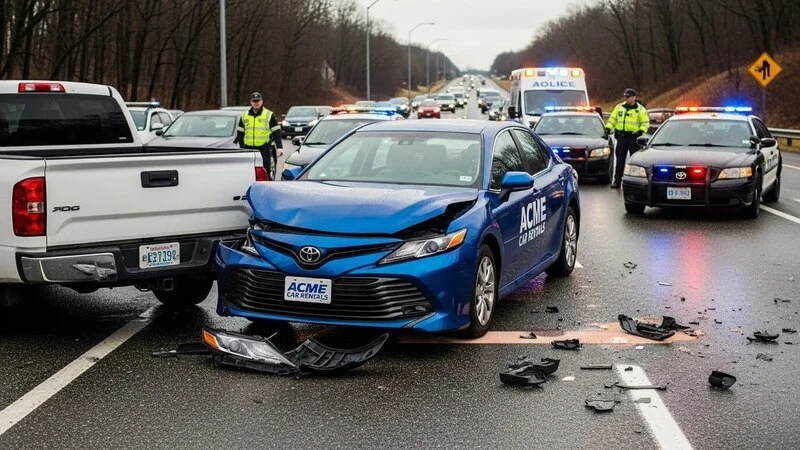
A collision involving a party whose primary residence, insurance carrier, and legal jurisdiction lie elsewhere can quickly overwhelm an injured victim. Understanding the core distinctions between state insurance mandates and the multi-layered liability of temporary vehicles is essential to navigate the aftermath of such a crash successfully.
The Complex Interaction of State Insurance Systems
A major source of confusion in accidents involving transient drivers is the disparity between state insurance requirements. An individual driving cross-country or residing seasonally in another region may carry a policy perfectly valid in their home state, but one that clashes with the laws of their temporary location.
For instance, a driver from an at-fault state may crash in a no-fault state, immediately complicating the victim’s ability to pursue liability and damages. The required minimum liability coverage also varies widely across the country. This seasonal movement escalates risk on roadways in popular destinations.
Tracing Liability Through the Rental Car Maze
The involvement of a rental car introduces an additional, and often intricate, set of liability layers. When a collision occurs, the immediate question of who pays involves a confusing hierarchy of coverage options:
- The renter’s personal policy: The driver’s personal auto insurance often extends collision and liability coverage to the rental vehicle.
- The rental company’s coverage: Any optional loss damage waivers or liability coverage purchased directly at the counter.
- Third-party coverage: Protection offered by credit card companies or travel insurance used to secure the vehicle.
A consumer report on driving attitudes indicated that more than one-quarter of respondents (26%) admitted they are less concerned about damaging a rental car compared to their own personal vehicle. This emotional detachment from the temporary asset can, in some cases, translate to a higher willingness to take risks behind the wheel, increasing the likelihood of an accident. Determining the primary insurer and compelling them to resolve the claim becomes a specialized legal undertaking.
Proving Negligence Against a Non-Resident Party
The most pressing challenge in a transient driver case is the speed at which the at-fault party can exit the jurisdiction. Unlike a resident, a driver visiting for a short time has little incentive to cooperate post-accident, making crucial evidence collection difficult. Proving negligence requires immediate action: securing surveillance footage, interviewing witnesses while they are still available, and ensuring all medical documentation directly links injuries to the crash.
When a defendant resides in another state, securing legal cooperation and compelling their insurance carrier to act fairly adds complexity. The process often involves navigating interstate rules for jurisdiction and service of process. Facing this situation alone can leave victims vulnerable to lowball offers and delays.
Working with the Boca Raton car accident law firm that is adept at handling multistate claims and understanding the specific requirements for liability and evidence collection is critical. Professional legal representation ensures all necessary measures are taken before the trial goes cold, protecting the victim’s right to full compensation.
Endnote
The complications arising from out-of-state insurance and temporary vehicle usage require victims to move quickly and strategically. The legal landscape is too varied, and the transient nature of the at-fault party is too great a risk to rely on generic insurance solutions. Securing immediate, specialized legal guidance is the surest way to cut through the complexity and hold the negligent party, no matter their location, accountable.
