
DIY Car Shipping Basics for Beginners
For someone who has never shipped a vehicle, the whole process can initially seem overwhelming, especially when considering car shipping from Illinois to various destinations across the country. But it is manageable with the right guidance.
This guide is designed to help you simplify car shipping if you are a novice and outline some actionable tips and steps to follow for a hassle-free experience. Whether you’re relocating or purchasing a vehicle from another state, understanding the basics of car shipping, including services like www.roadrunnerautotransport.com/illinois-car-shipping, can make the entire process much smoother.
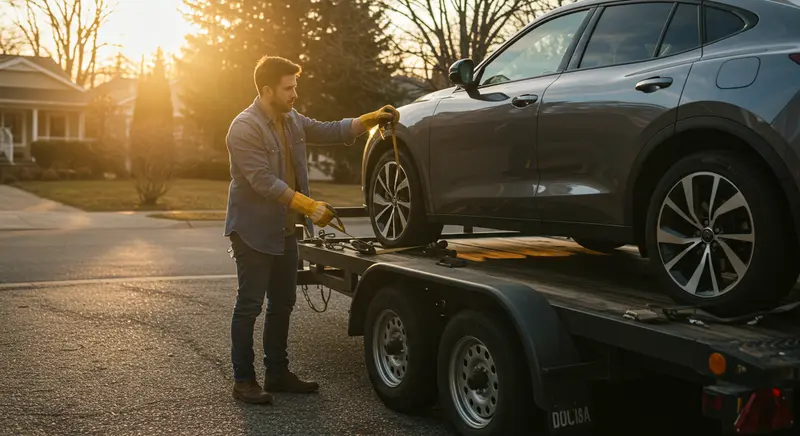
Understanding Car Shipping
Car shipping means transporting one car from one place to another. This service is typically utilized by anybody relocating long distances or buying cars from vendors at a distance. This can be done through different methods, each of which has its pros and cons, especially when working with an auto transport company that offers multiple shipping options depending on your needs, budget, and delivery timeline.
Types of Car Shipping
There are two main options: open transport and enclosed transport. The most popular and economical option, open transport is when vehicles are shipped on open trailers. This approach works for a conventional automobile, and it is inexpensive, so it has become very popular.
On the other hand, enclosed transport provides a greater degree of protection. Vehicles are moved in enclosed trailers, protecting them from the elements and road debris. This method is best suited for cars that need a little more pampering, such as luxury, antique, or classic cars.
Preparing the Vehicle
If you do not prepare your car for shipping, the last car shipping experience you want is major complications. This involves cleaning it up while also inspecting and documenting its condition.
- Clean and Inspect: Clean the car first with complete thoroughness inside and outside. This makes it easier for you to discover any prior damage. Carefully examine everything, noticing any scratches, dents, or issues. Clear photos from a couple of angles can help later if needed.
- Document Everything: It is essential to provide a detailed and thorough account of the car. This documentation acts as proof if there is any dispute regarding damage that might happen during shipping. Add photographs, written notes, and any prior repair history.
Choosing a Shipping Company
Choosing a car transport company is a vital part of this process. Identifying the right option to suit individual requirements and budgets will require some research and comparison of providers.
- Research and Compare: The first step is to compile a list of prospective shipping services. Check out their websites, read some reviews by customers, and look for ratings from recognizable sources. Look for experience, reputation, and customer service. According to the Federal Motor Carrier Safety Administration, it’s crucial to verify that your chosen carrier is properly licensed and insured.
- Obtain Quotes: Get quotations from different companies for price comparison. Each quote provided must include all possible charges. This avoids surprise costs and allows for budgeting accordingly.
- Confirm Details: Check all the details of the shipment with the selected provider. This consists of things like pickup and delivery details, dates, and any other requirements. Clear communication saves you from miscommunication and makes it a smooth process.
Prepare for Pickup
Be prepared and have the car ready to go for pickup on the agreed-upon date. Remove any personal items you own and deactivate your alarm. It is also recommended to give the driver an additional key.
Track the Shipment
Many companies also provide tracking, so consumers can see where the shipment is at all times. Having continuous updates can relieve stress and prepare you for when it may arrive.
- Stay in Contact: Be diligent in following up with the shipping company for any updates or changes. This helps maintain transparency in the process and allows the team to react quickly to any problems.
Inspect Again
Inspect the vehicle again while it’s being delivered. Compare its condition to the pre-shipping documentation. If you find any new damage, notify the shipping company immediately.
Settle Any Issues
If disputes arise, having the initial documentation and photographs is of great usefulness. Reputable companies typically have procedures in place to handle this. Being able to deal with issues quickly is key to resolution.
Conclusion
Organizing and executing a shipment of a car by yourself demands planning and extreme attention to detail. If beginners understand more about the transport methods, vehicle preparation, and choosing the right shipping company, the experience will be successful. Getting organized and staying educated about each step in the process will lay the foundation for trouble-free, effective auto delivery.
