
Do Booster Seats Actually Work
Booster seats are designed to improve child safety in vehicles by positioning seat belts correctly. Research shows that booster seats significantly reduce the risk of injury in car accidents compared to using only seat belts. This makes them an important consideration for parents and caregivers.
Many people wonder if booster seats truly offer better protection or if they are simply an extra step in child car safety. The answer depends on a child’s size and age, but studies consistently support their effectiveness when used properly.
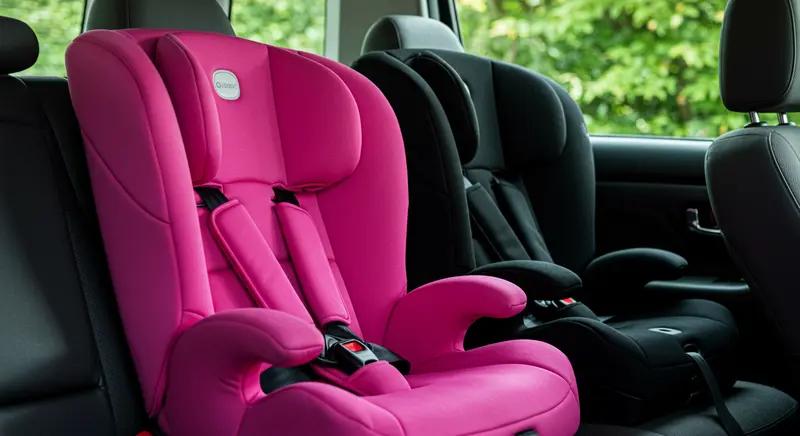
How Booster Seats Work
Booster seats improve safety by ensuring the vehicle’s seat belt fits children properly. They raise a child’s seating position for optimal belt placement and keep the child securely restrained during a crash.
Seat Belt Positioning
Booster seats position the seat belt across the strongest parts of a child’s body. The lap belt should lie flat across the upper thighs, not the stomach, to avoid internal injuries in an accident. The shoulder belt needs to cross the chest, away from the neck and face, providing effective upper body restraint.
Incorrect belt positioning increases the risk of injury. Booster seats help maintain proper alignment, reducing the chances of the belt sliding off or causing harm. Proper seat belt fit is the primary safety function of booster seats.
Types of Booster Seats
There are two main types: high-back and backless boosters.
High-back boosters provide head and neck support, useful in vehicles without headrests or with low seatbacks. They also help maintain belt positioning.
Backless boosters are simpler and more portable. They work well in vehicles with proper headrests and for older children who only need belt positioning assistance.
Parents should select a booster seat based on the child’s size, vehicle design, and comfort needs.
Transition From Car Seat to Booster Seat
Children move from forward-facing car seats with harnesses to booster seats once they outgrow height or weight limits, usually around 4 years old and 40 pounds.
The booster seat should be used until the child is tall enough (typically 4 feet 9 inches) for the vehicle’s seat belt to fit properly without assistance.
Signs a child is ready include sitting with their back against the vehicle seat and knees bending at the edge without slouching. The transition ensures continued protection with appropriate restraint.
Effectiveness of Booster Seats
Booster seats change the position of the seat belt to better fit a child’s body, reducing the risk of injury. Their design and proper use are key factors influencing safety in crashes and everyday travel.
Crash Test Results
Crash tests consistently show that booster seats improve seat belt fit for children who have outgrown forward-facing car seats. They position the lap belt across the child’s upper thighs rather than the stomach, and the shoulder belt across the chest instead of the neck or face.
In standardized tests, children in booster seats experienced fewer abdominal injuries and reduced chest force during collisions compared to those using adult seat belts alone. Side-impact and frontal collision evaluations highlight significant improvements in injury metrics.
Modern booster seats, including high-back and backless models, have undergone rigorous testing to confirm proper belt routing and restraint. However, the accuracy of results depends on correct installation and use.
Age and Size Considerations
Booster seats are recommended for children aged 4 to 12 years or until they reach 4 feet 9 inches (145 cm) in height. Weight limits typically range from 40 to 100 pounds (18 to 45 kg), varying by booster model.
The child’s size dictates booster use more than age. A child too small for an adult seat belt should remain in a booster to ensure the belt fits correctly.
Parents and caregivers should verify that the lap belt lies low on the hips, not on the stomach, and the shoulder belt crosses the middle of the chest and shoulder. Improper fit reduces booster effectiveness and increases injury risk.
Booster Seat Laws and Regulations
Booster seat laws vary widely but generally aim to improve child passenger safety by setting minimum age, height, or weight requirements.
National Booster Seat Requirements
At the federal level, there is no single law mandating booster seat use. Instead, the National Highway Traffic Safety Administration (NHTSA) provides guidelines recommending booster seats for children who have outgrown forward-facing car seats but are under 4 feet 9 inches tall or between 8 and 12 years old.
These guidelines inform state laws and promote booster seat use to reduce injury risk. Manufacturers also follow federal safety standards under FMVSS 213, which sets performance requirements for booster seats.
State-Specific Adaptations
Every state has its own booster seat laws, typically requiring use based on age, height, or weight. For example:
| State | Age Requirement | Height/Weight Details |
| California | Under 8 years | Under 4’9″ or 80 pounds max |
| New York | Under 8 years | Under 4’9″ or 65 pounds max |
| Texas | Under 8 years | No specific height, weight limits |
Most states require children to use booster seats until they meet size conditions for adult seat belts. Penalties vary but can include fines and points on driving records to encourage compliance.
Some states require booster seats only if the vehicle has a seat belt, while others include vehicles without them. These variations fall under state legislative discretion, reflecting local safety priorities and enforcement capabilities.
Booster Seat Laws in Arizona
Arizona law requires children under the age of 5 to be secured in a child safety seat. This includes booster seats, which are specifically designed for children who have outgrown forward-facing car seats but are not yet tall enough for a seat belt alone.
The law states that children between 5 and 8 years old must use a child restraint system or booster seat if they are under 4 feet 9 inches tall. If the child is 9 or older, or taller than 4 feet 9 inches, they can use a regular seat belt.
Enforcement is a primary law, meaning officers can stop and ticket drivers solely for violations related to child passenger safety. Fines for non-compliance start around $140 but can vary by county.
| Age | Height Requirement | Restraint Required |
| Under 5 years | Any height | Child safety seat or booster |
| 5 to 8 years | Under 4’9″ | Booster seat or child restraint |
| 5 to 8 years | 4’9″ or taller | Seat belt |
| 9 years and up | Any height | Seat belt |
Parents and caregivers in Arizona are encouraged to keep children in booster seats until they meet both the age and height requirements to ensure proper seat belt fit and safety.
Selecting the Best Booster Seat
Choosing the right booster seat involves examining key safety features and ensuring it fits both the child and the vehicle properly. Attention to harness types, materials, and installation ease can significantly impact safety outcomes.
Features to Consider
Booster seats vary mainly by type: high-back and backless models. High-back seats offer head and neck support, which is essential for vehicles without headrests or with low seat backs. Backless boosters are more portable but require the car’s seat to provide adequate head support.
Look for seats with adjustable headrests and multiple height positions to grow with the child. Energy-absorbing foam reduces impact forces in a crash. Seat belt guides keep the vehicle’s belt positioned correctly across the shoulder and lap. Some models include side-impact protection and washable covers for convenience.
Fit and Installation
Proper installation is crucial to booster seat effectiveness. The seat must sit flat on the vehicle’s seat and not rock or slide when tested by hand. Using a seat belt with locking clips or a built-in latch system helps secure the booster tightly.
The booster should position the lap belt low across the child’s hips, never the stomach. The shoulder belt must cross the chest and rest on the shoulder, not the neck or face. Checking the vehicle’s owner manual and booster seat instructions ensures compatibility, as some seats and cars have specific requirements or limitations.
Proper Booster Seat Usage and Installation
Correct positioning and secure fastening are essential for booster seats to provide effective protection. The seat must be placed in the safest spot in the vehicle while ensuring the child is properly restrained with the vehicle’s seat belt.
Positioning in the Vehicle
Booster seats should always be installed in the back seat, as it is statistically the safest location for children under 13. The middle seat is preferred because it is furthest from impact zones, but if it doesn’t fit securely there, either side is acceptable.
The booster seat must sit flat on the vehicle seat and not lean against the door or seat-back. It should be stable without excessive movement when pushed or pulled. Some booster seats use the vehicle’s LATCH anchors, but this is optional and does not replace proper seat belt use.
Securing the Child
The child must sit all the way back against the booster seat with their back straight. The vehicle’s lap belt should lie low and snug across the child’s upper thighs, not the stomach. The shoulder belt must cross the middle of the chest and shoulder, never the neck or face.
If the shoulder belt does not fit properly, a booster seat with a shoulder belt guide should be used. Children should remain in the booster seat until they can safely fit the vehicle’s seat belt alone, usually when they reach 4 feet 9 inches in height and are about 8 to 12 years old.
When to Stop Using a Booster Seat
Determining the right time to stop using a booster seat depends on specific physical milestones and regional laws. Both factors ensure the child’s safety and compliance with regulations.
Physical Signs of Readiness
A child is typically ready to stop using a booster seat when they can sit properly with a seat belt alone. This means the shoulder belt rests across the middle of the chest and shoulder, not the neck or face.
The lap belt should lie across the upper thighs, not the stomach. Most children reach this stage between 8 and 12 years old, depending on height and weight.
Legal and Safety Factors
State laws vary but often require booster seat use until a certain age, height, or weight. Many jurisdictions mandate booster seats until ages 7 to 12 or a height of 4 feet 9 inches.
Ignoring these legal requirements can lead to fines and increased injury risk. Safety guidelines emphasize that the child should remain in the booster until the vehicle’s seat belt fits correctly without it.
Parents and caregivers should check local laws and follow national safety recommendations to ensure compliance and child protection.
Recent Innovations and Research on Booster Seats
Advancements in booster seat technology and updated safety research contribute to improving child passenger protection.
Design and Safety Improvements
Manufacturers have focused on increasing side-impact protection by adding deeper side wings and energy-absorbing foam. These changes reduce head and torso movement during crashes.
Adjustable headrests and integrated belt guides now offer better seatbelt positioning. This reduces the risk of injury by ensuring the belt fits properly across the child’s shoulder and hips.
Some booster seats include sensor technology that alerts caregivers if the seat is not installed correctly or the child is unbuckled. These electronic aids increase overall safety compliance.
Materials used in booster seats have also evolved to be more durable and flame-resistant, meeting stricter safety standards. Testing methods now simulate more realistic crash scenarios for better safety validation.
Emerging Trends in Child Passenger Safety
Researchers emphasize the importance of extended rear-facing car seat use before transitioning to booster seats. Extended rear-facing lowers injury risk more effectively than earlier booster seat use.
Studies highlight inconsistencies in state laws regarding age and weight requirements for booster seats. This has prompted calls for uniform regulations to improve nationwide child safety.
Technological integration, such as smart seats communicating with vehicles, is gaining attention. This could allow real-time monitoring and warnings to prevent unsafe conditions.
Public health campaigns increasingly focus on educating parents about proper booster seat selection, fit, and use. These efforts aim to close gaps in knowledge that affect booster seat effectiveness.
