
6 Essential Steps After Suffering a Vehicle Hit-and-Run
Getting hit by a vehicle that then speeds off is the last thing anyone would wish for. It’s unsettling and stressful. Yet, most of us don’t think about what to do next until it happens.
Knowing how to handle this situation ensures your safety and strengthens your case later. What steps matter most? How can you ensure justice when the responsible driver flees?
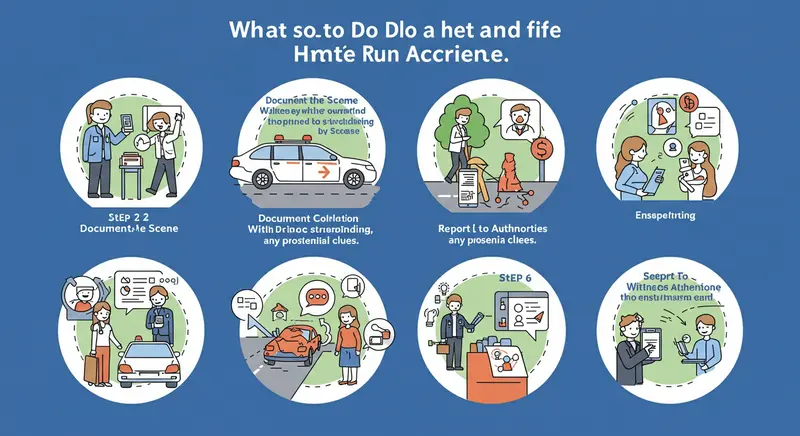
Stick with us as we explore key actions to protect yourself and secure proper help.
1. Immediately Notify the Police about the Incident
Someone just hit you, your car, or even your dog and sped off. That’s clearly a punishable crime, and the cops need to know.
When calling law enforcement, stay calm. Provide precise details like the vehicle’s color, make, model – or better yet – the license plate if you caught it. Officers document everything officially for their report.
This isn’t just procedure; it’s vital evidence insurers may require later when investigating claims or pursuing justice.
2. Consult a Local Accident Attorney ASAP for Guidance and Support
They’re trained for it. They make a living out of it… helping victims like you get justice for suffering endured as a result of other people’s negligence or irresponsible acts while behind the wheel.
Hit-and-run cases can indeed be tricky, especially when the at-fault driver remains unidentified or turns out uninsured. And hard to ignore, dangerous intersections like Interstate 10 (I-10) in Tucson, Arizona are notorious hotspots where such accidents often occur.
That’s where, and why, legal counsel comes in handy. For incidents that happen on I-10 or nearby roads and highways, experienced Zanes Law Tucson car accident attorneys very well understand the complexities involved. They fight to secure compensation for medical costs, repairs, and emotional damages swiftly.
3. Secure Witness Statements and Contact Details
A passerby may have noticed more than you did in the heat of the moment. Witnesses often provide crucial pieces to complete the puzzle and help your case after a hit-and-run.
Yes, you might not have spotted the vehicle’s license plate or other identifying details, but a witness might remember something – a bumper sticker, paint color, or direction they sped off toward.
Ask for their contact info politely and jot down what they saw while it’s still fresh in their mind.
4. Seek Medical Attention without Delay
Hold up. This should actually have been the first step on the list! Failure to do so is actually among the biggest mistakes you can make but should avoid.
Adrenaline can mask injuries after an accident, even serious ones like concussions or internal damage. You might feel fine initially, but symptoms often appear hours later.
A quick check-up not only ensures your safety but also creates a medical record – important for claims and legal proceedings if things escalate further down the line.
5. Document Scene Evidence Thoroughly with Photos
If you have the strength to, at least before the paramedics get there after dialing 911, grab your phone and start capturing everything.
Photograph any injuries you’ve sustained, vehicle damage (yours or others’ nearby), surrounding signage, debris on the road, and even skid marks if present.
Whether it’s a pedestrian incident or property damage case, these visuals help reconstruct events accurately for insurance adjusters and potential legal proceedings later on.
6. Notify Your Insurance Provider Promptly After the Accident
Even if the driver vanished, your insurance might still cover you under specific policies like uninsured motorist protection.
Call your provider as soon as possible to report the incident. Share all available details – police reports, witness contacts, and photos – for a smoother claims process.
Being involved in a hit-and-run accident leaves victims feeling powerless, not to mention the possibility of injuries and other damages. However, knowing the steps to take empowers you to act decisively.
Staying informed ensures your safety. It helps you preserve crucial evidence, and increases your chances of securing justice for the suffering endured.
