
Understanding Fault in Red and Yellow Light Accidents at Austin Intersections
Navigating the busy intersections of Austin requires a constant state of alertness and a split second ability to process changing traffic signals. In the heart of the city, the transition from a green light to a yellow one often triggers a moment of indecision for many motorists. This uncertainty frequently leads to high impact collisions that occur in the middle of a crossing.
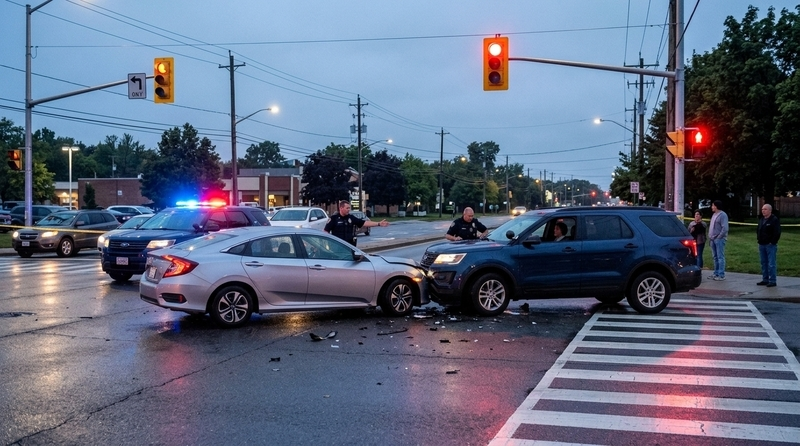
The aftermath of these incidents is almost always defined by conflicting accounts from the drivers involved in the event. One person may claim the light was still yellow when they entered, while the other insists they had a green signal. These “he-said, she-said” disputes make it incredibly difficult for responding officers to determine the absolute truth at the scene.
Identifying the negligent party is essential for securing the compensation needed for a full and honest recovery. Because the timing of the signals is so precise, even a fraction of a second can change the legal standing of a claim. Resolving red and yellow light accidents requires a meticulous look at the timing and the physics of the impact today.
The Legal Duty of Drivers During Signal Transitions
Every motorist in Texas has a fundamental duty to exercise caution when approaching a signal that is changing from green to yellow. The yellow light serves as a warning that the red signal is imminent and that the driver should begin to slow down. It is not an invitation to accelerate through the crossing to beat the clock.
If a driver has a safe distance to stop, they are legally required to do so rather than trying to jump the light. Entering the intersection when the signal has already turned red is a clear violation of traffic safety laws. This failure to yield is the most common cause of side impact collisions in the downtown Austin area.
Proving that a driver had the opportunity to stop but chose to speed up instead is a vital part of the investigation. It demonstrates a reckless disregard for the safety of others and establishes a clear breach of the duty of care. Accountability on the road depends on every person respecting the timing of the signals.
Utilizing Signal Timing Logs and Camera Data
Establishing the truth in a disputed light accident often requires a deep dive into the technical data provided by the city. Traffic management centers maintain detailed logs of signal timing for every major intersection in the metro area. These records show exactly when each light changed to the millisecond during the incident.
Red light camera data and nearby surveillance footage offer an objective view of the scene that does not rely on human memory. By synchronizing the video with the timing logs, investigators can see exactly where each car was when the light turned red. This technical proof is the most effective tool for resolving conflicting statements.
Accessing these government records requires a formal legal request and a quick response before the data is overwritten by the system. Seeing the event as it actually happened removes the guesswork and prevents biased testimony from influencing the outcome. This evidence is the cornerstone of a successful and fair personal injury claim.
Right of Way Conflicts and Clearing the Intersection
A specific point of confusion often arises for drivers attempting to make a left turn while waiting for traffic to clear. Under Texas law, a driver who has already entered the intersection on a green light has the right to complete their turn even if the signal changes. This is known as the duty to clear the crossing.
However, many oncoming drivers assume that a yellow light gives them the right to speed through the intersection regardless of others. This leads to a collision with the left turning vehicle that is simply trying to exit the travel lane. Determining who had the priority requires a careful look at the timing of the movements.
Liability often hinges on whether the turning driver was already in the intersection or if they entered after the light turned yellow. If the oncoming car “light jumped” at a high velocity, they may be found primarily responsible for the crash. Navigating these nuances is essential for protecting the rights of every driver in Austin.
Conclusion
The importance of gathering witness statements immediately following an intersection crash cannot be overstated for anyone seeking justice. Bystanders who saw the signal change provide a neutral perspective that can break a stalemate between the two drivers. Their independent accounts are invaluable for establishing the true sequence of events.
Final reflections on intersection safety highlight that patience and caution are the most effective tools for preventing these tragedies. Following the rules of the road ensures that everyone arrives at their destination safely and without incident. Accountability is the key to maintaining a fair and secure transit system in our city.
Ultimately, achieving a successful resolution provides the financial support needed for a full and healthy recovery. By focusing on the facts and the technical data, victims can overcome the hurdles of a disputed claim. Professional guidance ensures that the truth is revealed and that the right person is held responsible.
