
The First 24 Hours After a Car Accident and the Mistakes People Regret Most
A car accident can throw everything off in seconds, as even a minor crash can leave people unsure of what they are supposed to do next. During those first few hours, some people might still be trying to process what happened while also dealing with stress, confusion, phone calls, and pain that has not fully appeared yet.
That is exactly why the first 24 hours after an accident matter so much, because small decisions made during that period can affect health, finances, insurance claims, and legal outcomes long after the crash itself is over.
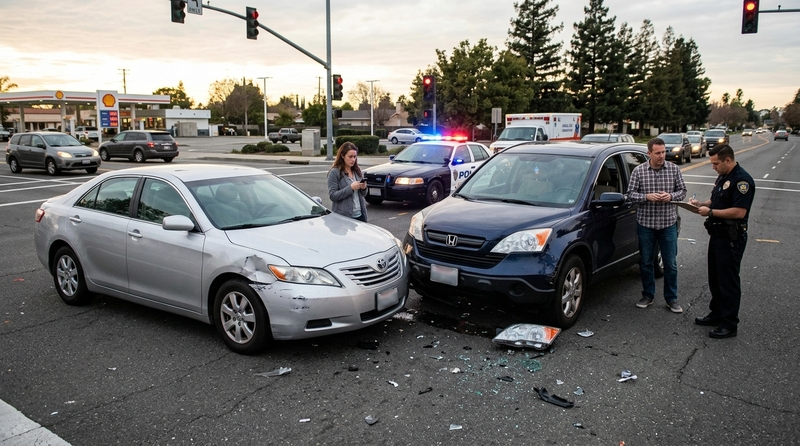
Ignoring Symptoms Too Early
One of the biggest mistakes people make is assuming they are fine because they can still walk, talk, or drive afterward. Right after an accident, adrenaline can mask pain in a way that makes injuries feel smaller than they actually are.
Neck pain, back injuries, headaches, and even emotional distress sometimes show up hours later instead of immediately. By then, many people had already convinced themselves that nothing serious had happened.
The problem with waiting too long is that it can affect both recovery and documentation. This is why medical records created early help connect injuries directly to the accident, while delays can create unnecessary confusion later.
Failing to Document Important Details
A lot of people leave the scene thinking they will remember everything later, but details disappear quickly once stress settles in. Witness information, damage records, and written notes often become extremely important once insurance companies start asking questions.
This is why conversations about steps after car accident usually focus heavily on documentation, because even small details can make a major difference later when people are trying to explain what happened. Something as simple as taking clear photos of the vehicles, road conditions, injuries, or the surrounding area can help protect you if details later become disputed.
Saying Too Much Too Soon
Another mistake people regret is talking too freely immediately after the crash. In stressful situations, many drivers apologize automatically, even when they are not actually responsible for what happened.
The issue is that statements made in the moment can later be misunderstood or used in ways people never intended. That does not mean someone should refuse to cooperate, but it does mean emotions should not control conversations at the scene. It is usually better to focus on exchanging necessary information and speaking carefully rather than trying to explain everything immediately while still overwhelmed.
Accepting Quick Assumptions About Damage
After smaller crashes, people often assume the damage is minor because the vehicle still looks drivable. Unfortunately, physical injuries and mechanical problems do not always match what is visible from the outside.
Some injuries develop slowly, while the damage beneath the vehicle may be more serious than expected. Accepting quick assumptions too early can lead people to underestimate the financial and physical impact of the accident. That is one reason rushing through a situation without proper evaluations often becomes something people regret later.
Waiting Too Long to Seek Guidance
Some drivers avoid reporting accidents quickly because they hope things will work themselves out. Others feel uncomfortable dealing with insurance companies or legal conversations while still stressed from the crash itself.
However, delays often create bigger problems because insurance companies may question timelines, details become harder to verify, and communication grows more complicated the longer people wait. Seeking guidance early does not mean turning everything into a lawsuit. Sometimes it simply means understanding your options clearly before making decisions that affect you later.
Endote
The first 24 hours after a car accident are often chaotic, emotional, and confusing, which is exactly why so many people make decisions they later regret. Taking time to stay calm, document everything properly, seek medical attention, and consider major decisions can make a significant impact on what happens next.
