
Ford Edge Years to Avoid: A Comprehensive Guide to Problematic Models
Ford has a storied history of producing some of the world’s most durable vehicles for more than a century, pioneering affordable automobiles for middle-class individuals, but still there are some Ford Edge years to avoid.
Ford engineers thoughtfully broke into the scene with the launch of the Ford Edge, which is their first-ever midsize crossover SUV. Edge was bigger than Edge and more practical for daily commuting.
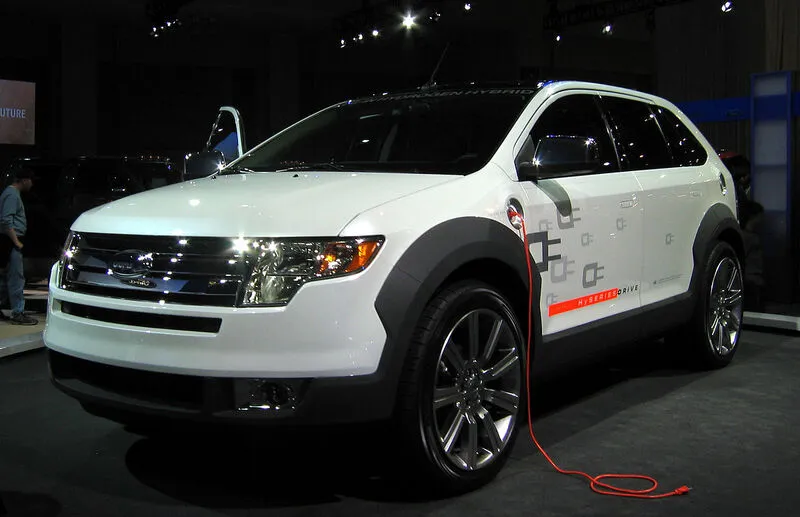
It became popular overnight in its sales, and Ford reported a 73% increase in the U.S. Edge deliveries alone, with nearly 15,000 more units sold in 2023 than in 2022. Since Edge is upholding the higher standards of reliability and performance in newer models, it should not be mistaken for certain years with significant issues.
After thorough research combined with discussions with automobile experts, we have come up with a comprehensive guide for you to be potentially aware of these Ford Edge years to avoid.
Common Issues Across Different Model Years
Across these many years, many Ford Edge owners have had bad experiences with vehicles, only as some common problems. Most of these issues were similar in the same model year or the same component.
Some of the most common are:
2007-2010 Ford Edge Issues:
- 2007-2008 Models: Transmission slipping, sudden engine shutdowns, and rough shifting.
- 2009-2010 Models: Corrosion in the fuel tank — fuel tank leakage and global recall
- 2010 Model: Brake booster partial failure — reducing the stopping power.4
2011-2014 Ford Edge Issues:
- 2011-2013: Door Ajar sensor failure, turning on the malfunction light. Brake booster failure due to a defective diaphragm.
- 2011-2014: Issues with infotainment systems, such as FordSync frequently froze, lost Bluetooth connections.
2015-2018 Ford Edge Issues:
- 2015-2016: Multiple times reported by many owners that the vista roof (panoramic sunroof) cracked without any reason.
- 2015-2017: Brake hose leaks led to longer stopping distances, triggering a recall in 2020.
- 2016-2018: Power transfer unit failure which leads to overheating and even fluid leakages.
2019-Present Ford Edge Issues:
- 2021-2022: Engine valve failure in 2.7L EcoBoost engines, which led to intake valve fractures.
- 2019-2023: Some models had non-responsive touchscreens and random system reboots. But nothing serious mechanically.
The Long-Term Reliability of Ford Edge Years To Avoid
If you are planning to buy a Ford Edge, you need to ensure that the particular model (or generation) has fewer known faults or reported issues. In the case of used cars, high-mileage vehicles are more likely to have mechanical and safety issues.
You should definitely avoid those problematic years to save your pocket from costly repairs and losing the vehicle’s value. Here’s what happens if you overlook these problematic years:
Consequences of Overlooking Problematic Years
- Increased Maintenance Costs: Evidently, frequent repairs will be an additional burden on your financial resources. However, minor issues are still manageable but transmission failures or engine problems can break your bank.
- Safety Hazards: Safety of your family stands first before anything, and you should definitely avoid those models, which were reported for their failures such as power steering loss or door latch failures.
- Reduced Resale Value: If vehicle resale value is your concern, then think twice before making a buying decision, since vehicles are known for their reliability concerns. Such vehicles can depreciate very quickly, ranging anywhere from 40 to 60% within the first three years of purchase.
Recommendations for Prospective Buyers
You should look before you leap, and especially when buying a used car, which is not limited to a certain automaker, variant, or model. Even the newest models with fewer reliability issues can have other issues, such as accident history. So, see our tips before buying:
- Carefully Check Vehicle History: You should check on NHTSA (National Highway Traffic Safety Administration) to see if that model year was recalled with any known faults.
- Check Vehicle Title Status: You can check on the physical paper issued by NMVTIS (National Motor Vehicle Title Information System) about its clean title, which tells you whether it’s fully paid for/there is a lien on it, and also tells if car was a total loss and issued a salvage title.
Common Issues with Ford Edge Models
The Ford Edge definitely steals the light in the midsize SUV category. But some of its model years had so many severe mechanical and electrical issues that they had to be recalled by Ford for repairs. So, here are some of the common issues and Ford Edge years to avoid:
Transmission Problems: Slipping and Delays
- 2007–2008 Models: Transmission failures report with jerky shifting.
- 2019 Models: Delay shifting, fluid leaks, and unusual noises.
Engine Issues: Stalling, Misfires, and Oil Leaks
- 2019–2022 Models: The NHTSA investigated the Edge due to potential engine failures caused by fractured intake valves
Suspension and Steering Problems
- 2007–2014 Models: Clicking noises from the wheel area.
Electrical Failures and Technology Issues
- 2011 Models: The Infotainment system failed with sudden power losses while driving.
- 2012 Models: Door-ajar sensor failure, turning on the malfunction light constantly.
Fuel System Issues and Reduced Gas Mileage
- 2009–2010 Models: Due to rusting, defective fuel tanks prone to leaks, and recalls for these model years.
- 2015–2017 Models: The NHTSA opened a probe into over 360,000 Ford Edge vehicles due to concerns over rear brake hose failures that could result in a loss of braking.
Ford Edge Years to Avoid Based on Consumer Reports and Recalls
Over the past two decades, nearly a dozen times, Ford has recalled the Ford Edge for repairs due to reliability issues. Therefore, you need to look for these specific models and ask the owner/dealership about the common issues with that particular model year.
We thoroughly check buyer reports and recall history, and have come up with model years that have major mechanical issues for which you should avoid buying them:
2007-2008 Ford Edge: Common Problems and Why You Should Avoid These Models
Transmission Failures and Recalls
Ford Edge (2007 & 2008 models) had major transmission issues, particularly with gear shifting, even gear slipping, and in severe cases, complete gearbox failure.
Engine Overheating and Stalling Issues
Besides poor transmission built quality, these models had a certain manufacturing fault with the engines, where owners experienced engine overheating and unexpected engine stalling.
2011 Ford Edge: Why It’s One of the Worst Years for This SUV
- Powertrain Problems and Electrical Failures: Ford Edge (2011 Model) has many similar powertrain malfunctions, where owners reported transmission jerking and sluggishness during acceleration.
- Brake and Suspension Issues: In this model year, one of the common issues was premature wear of brake pads and rotors, combined with quick wear and tear of suspension bushings as well.
2015 Ford Edge: Performance and Reliability Concerns
Transmission Issues and Delayed Shifting
For years, the Ford Edge has experienced issues mainly with the gearboxes. In this particular model year, there was evident delayed shifting.
Problems with the SYNC Infotainment System
Ford Edge (2015 models) has reported their extreme concern with the SYNC infotainment system, which included system freezes, unresponsive touchscreens, and connectivity issues with external devices.
2017 Ford Edge: Problems with the Turbocharged Engine and Electrical System
Engine Performance Issues and Excessive Oil Consumption
Ford Edge (particularly the 2017 model) was equipped with the turbocharged EcoBoost engine, which was later reported to have excessive engine oil consumption. If not properly managed, many owners ended up ruining their engines.
Recalls and Safety Issues
In 2022, Ford Motor recalled all its Ford Edge (2017 models) for replacement and repair of a detached shifter cable bushing, which reportedly did not allow users to shift the gear into a certain gear.
How to Fix Common Problems in Older Ford Edge Models
Many of the Ford Edge’s common issues can be either avoided or solved by the following easy tips and tricks:
DIY Fixes for Transmission and Engine Issues
- Transmission Problems: Mostly, TSS and OSS sensors are responsible for delayed, hard shifting or even slipping sometimes. You can try replacing them yourself!
- Engine Issues: In many years, failed internal water pumps have caused coolant to mix with oil. You can check for its leakage and replace a couple of thousand miles.
Common Repairs for Suspension and Electrical Failures
- Poor Suspension: Mainly caused by worn struts, bad suspension bushings. Replace them to have a smooth suspension.
Electrical Failures: The most common issue of “door ajar” can be cleaning or replacing it solves the issue.
Conclusion
Last but not least, the Ford Edge has proven to be a reliable SUV over the years, but there are Ford Edge years to avoid (such as 2007–2008, 2011, and 2015–2017), which had more issues than other models altogether.
If you are a potential buyer, do your research, check recall histories, and take professional inspections to avoid costly repairs and safety concerns. You can make a smart decision and ensure the longevity and reliability of your Ford Edge.
FAQs
2013, 2014, 2015, and 2017 are some of the model years with the worst transmission issues.
2008, 2011-2013, and 2014-2015 are the Ford Edge years with the most reported engine issues, such as oil leakage or overheating.
The 2011 Ford Edge is considered an above-average, reliable vehicle, overall, with fewer potential issues
Ford Edge (particularly 2009-2010 and 2014-2015 models) is more reliable, with the fewest issues reported.
