
The Hidden Reason Your Vehicle Battery Might Be Wearing Out Faster Than Expected
Most drivers assume a failing battery is simply a sign of age. If the car struggles to start on a cold morning, the usual conclusion is that the battery has “reached the end.” Sometimes that’s true. But often, the battery is not the original problem at all.
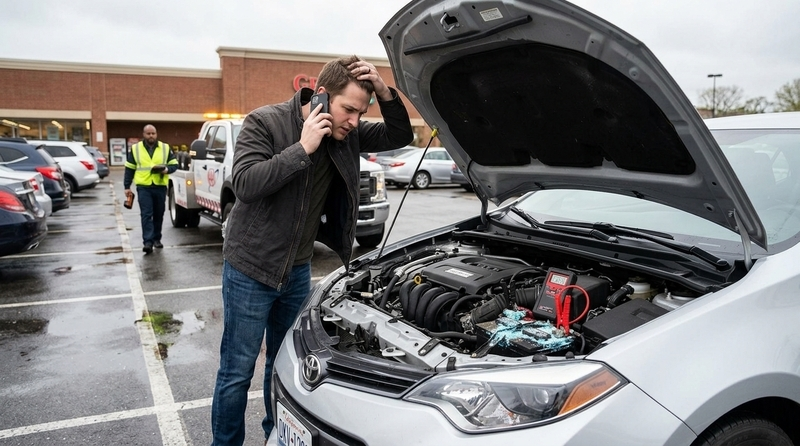
One of the most overlooked reasons batteries wear out early is chronic undercharging. In other words, the battery is being used regularly, but it never gets enough of a recharge to return to a healthy state. That sounds minor, yet over time it quietly shortens battery life, reduces performance, and increases the odds of a breakdown at the worst possible moment.
Why “short journeys” do more damage than most people realise
A vehicle battery works hardest during engine start-up. That brief moment places a high demand on the battery, especially in cold conditions or in vehicles with larger engines, diesel systems, or stop-start technology. Once the engine is running, the alternator begins replenishing the power that was just used.
The problem is that many modern driving habits don’t give the charging system enough time to do that job properly.
The school run effect
Think about the average day: a quick trip to the supermarket, a ten-minute drive to work, a stop at the pharmacy, then home again. None of those trips may be long enough to fully recharge the battery after repeated starts. Over days and weeks, the battery operates in a partial state of charge, and that has consequences.
Lead-acid batteries, including AGM and EFB variants commonly used in newer cars, don’t like living half-charged. When left in that condition, sulphation begins to develop on the battery plates. That reduces the battery’s ability to accept and hold a charge. Once that cycle starts, the battery may appear weak even if it isn’t especially old.
Modern cars keep drawing power even when parked
Here’s where things get more complicated. Today’s vehicles continue using electricity long after the ignition is off. Alarm systems, keyless entry, onboard computers, trackers, dash cams, and infotainment memory all draw small amounts of power. Individually, these loads seem insignificant. Together, they can drain enough energy to matter, particularly if the car is only used for short trips.
This is one reason battery choice matters more than many drivers realise. Not every battery is designed to cope with the demands of stop-start systems, higher accessory loads, or irregular driving patterns. Choosing the right specification is just as important as replacing the battery itself, which is why resources covering all-in-one battery solutions for different vehicle types are useful for understanding what different cars actually require.
The hidden mismatch: battery type versus vehicle demand
A battery can fit physically into a vehicle and still be the wrong battery for how that vehicle operates. That mismatch is another hidden cause of premature wear.
Stop-start systems need more than a standard battery
Many newer vehicles are built with stop-start technology, regenerative braking, and more sophisticated electrical systems. These cars are usually designed for AGM or EFB batteries, not standard flooded batteries. Installing a cheaper or incorrect type may work at first, but the battery often degrades faster because it is not built for the repeated cycling the vehicle demands.
The result? Drivers replace a battery sooner than expected and assume they just had bad luck, when the real issue was that the battery was under-specified from day one.
Accessories can quietly tip the balance
Even in older vehicles, added electrical accessories can increase strain. Heated seats, phone charging, aftermarket audio systems, reversing cameras, interior lighting upgrades, and dash cams all place extra demand on the charging system and battery. If the battery was only just adequate to begin with, those additions may push it into early decline.
That doesn’t mean accessories are a problem in themselves. It means the vehicle’s electrical profile may have changed, while the battery setup has not.
Weather is only part of the story
Cold weather gets the blame for battery failure because it exposes weakness quickly. A battery that has been slowly deteriorating through undercharging, sulphation, or electrical drain is far more likely to fail when temperatures drop. The cold doesn’t usually create the problem from scratch; it reveals one that was already there.
Hot weather can be just as damaging in a different way. High temperatures accelerate internal chemical breakdown and fluid loss. So if a battery spends summer in a weakened state and enters winter undercharged, failure becomes much more likely.
How to make a battery last longer in real-world conditions
The good news is that premature battery wear is often preventable. A few practical changes can make a noticeable difference:
Take the car on a longer drive occasionally, especially if most daily trips are under 15 minutes.
Use a smart charger or battery maintainer if the vehicle sits unused for long periods.
Make sure replacement batteries match the vehicle’s required specification, especially for stop-start models.
Check for parasitic drain if the battery repeatedly goes flat despite being relatively new.
Be cautious with aftermarket accessories that continue drawing power when the engine is off.
When the battery isn’t the only thing to inspect
Drivers often replace the battery without checking the wider charging system. That can be an expensive habit. If the alternator is underperforming, if battery terminals are corroded, or if there is an abnormal electrical drain somewhere in the vehicle, even a new battery may fail early.
- Signs the issue runs deeper: If you notice any of the following, it may be time for a broader inspection:
- Repeated jump-starts: A one-off flat battery can happen to anyone. Repeated jump-starts suggest the battery is either not recovering or something else is draining it.
- Slow cranking after recent driving: If the engine still turns over slowly after a decent drive, the battery may not be accepting charge properly.
- Electrical glitches: Flickering dashboard lights, stop-start systems disabling themselves, or infotainment resets can all point to low-voltage issues.
The real takeaway
Batteries rarely wear out “for no reason.” More often, they are caught between modern electrical demands, short-trip driving, and the wrong charging or battery setup. That’s the hidden pattern behind many early failures.
So before assuming your vehicle just got through batteries unusually fast, it’s worth asking a better question: is the battery actually being given what it needs to stay healthy? In many cases, the answer explains everything.
