
Safe and Stylish: How Classic Cars Compare in Modern-Day Accidents
Classic cars have a timeless appeal that many enthusiasts cherish. Their vintage charm, unique designs, and historical significance make them more than just vehicles—they’re works of art. However, as the world moves forward, so does the need for safety on the road.
Modern cars come equipped with advanced safety features like airbags and crumple zones, which are essential for protecting drivers and passengers. This raises an important question: how do classic cars measure up in today’s crash scenarios? As much as we love the aesthetic value of these vehicles, it’s becoming clear that safety must also be a priority.
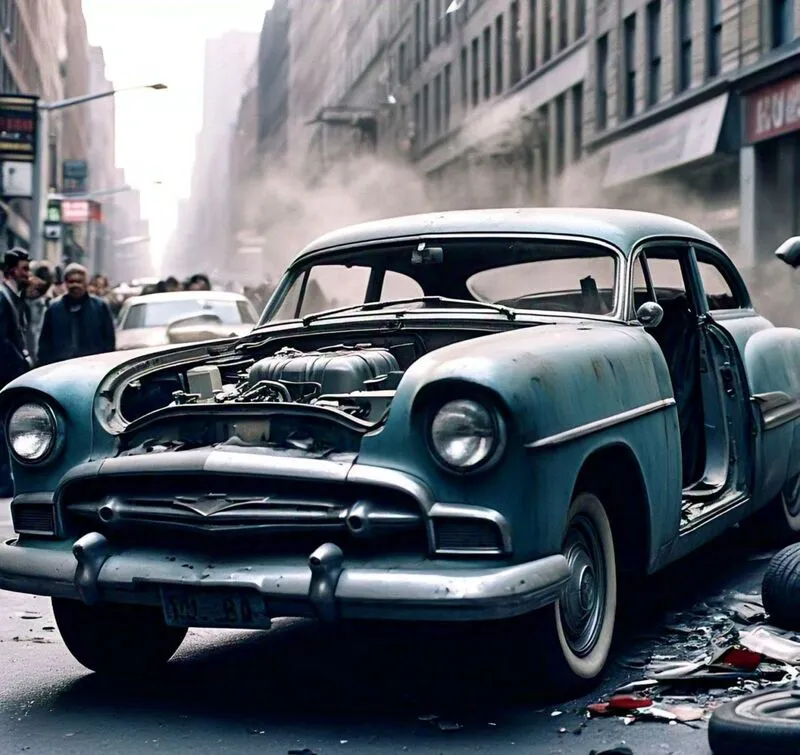
1. How Modern Car Safety Features Have Evolved
Over the years, car safety has seen remarkable improvements. Modern cars are much safer in accidents than classic cars, thanks to their advanced safety technologies. While classic cars have a timeless charm and can increase in value, they lack the modern innovations that make today’s vehicles far more protective.
Key Safety Features in Modern Cars
- Airbags: Modern vehicles come with airbags that deploy instantly during a collision to protect passengers from impact.
- Seat Belts: Unlike the basic seat belts found in classic cars, modern seat belts feature pre-tensioners and force limiters, offering extra protection during crashes.
- Crumple Zones: These specially designed areas absorb impact in a collision, reducing the force transferred to the cabin and minimizing injury risks. Classic cars lack these zones.
- Automated Safety Systems: Modern cars are equipped with sensors and safety systems that can detect potential collisions and even automatically apply the brakes, helping to prevent accidents before they occur.
In contrast, classic cars primarily have basic seat belts and lack these advanced safety features. This makes them less equipped to handle the force of modern-day accidents compared to their modern counterparts.
2. Classic Cars: Safety Features of the Past
Classic cars were built for durability but lacked the safety innovations we see in modern vehicles. While these vintage cars are known for their timeless charm, they come with limitations when it comes to crash safety.
Basic Safety Features in Classic Cars
- Seatbelts: Classic cars typically have basic, lap-only seatbelts. Unlike modern seatbelts, they lack advanced features like pre-tensioners and force limiters, which add extra protection in collisions.
- No Airbags: Airbags, a common feature in today’s vehicles, were not part of the safety design in classic cars. This leaves passengers more vulnerable during a crash.
Built for Durability, Not Crash Protection
Classic cars were designed with durability in mind, featuring solid, heavy metal construction. However, this focus on long-term reliability didn’t extend to crash protection.
Modern cars are engineered with crumple zones that absorb impact and reduce the force on the occupants, a feature absent in classic car designs.
Limitations in Modern Collision Scenarios
- Lack of Crumple Zones: Without crumple zones, classic cars cannot absorb impact the way modern cars do, making collisions more dangerous for passengers.
- No Side-Impact Protection: Classic cars lack modern side-impact airbags and reinforced door structures, which protect occupants during side collisions.
- No Automated Safety Systems: Unlike modern cars with automatic emergency braking and collision sensors, classic cars don’t have the technology to prevent accidents or minimize damage.
3. Accidents and Collisions: How Classic Cars Perform in Today’s Crashes
Driving classic cars in modern accidents poses significant risks due to their outdated safety features. While these vehicles are admired for their aesthetics, their inability to handle today’s collision standards is a serious concern.
Dangers of Classic Cars in Modern Crashes
Classic cars lack essential safety features such as crumple zones and side-impact airbags, which are crucial in reducing injury risks during a crash. Without these technologies, classic cars are less equipped to protect passengers, making them far more vulnerable in collisions compared to modern vehicles.
Crash Performance
In the event of an accident, classic cars struggle to absorb impact effectively. The force of the collision is transferred directly to the passenger compartment, significantly increasing the risk of severe injuries.
Studies and crash simulations consistently show that classic cars from the 1950s perform poorly in comparison to modern vehicles, which benefit from safety features like airbags and crumple zones that greatly reduce injury severity.
Weight and Build
While classic cars are often heavier and constructed with solid metal frames, this can be a disadvantage in modern crashes. Their weight can prevent them from absorbing and distributing the crash forces as effectively as modern vehicles. As a result, classic car occupants are at a higher risk for injury in today’s high-impact collisions.
4. Modern-Day Solutions for Classic Car Safety
Classic car enthusiasts don’t have to choose between style and safety. Several modern upgrades are available to improve safety in classic cars without sacrificing their vintage appeal.
Key Upgrades for Classic Car Safety
- Retrofitting Airbags: Adding airbags to a classic car can dramatically enhance its safety during a collision. These can be discreetly installed without altering the vehicle’s original design.
- Modern Seatbelts: Replacing old lap belts with modern seatbelts that feature pre-tensioners and force limiters ensures better protection for passengers. These upgrades are designed to fit seamlessly into the car’s interior.
- Anti-lock Braking Systems (ABS): Installing ABS helps prevent wheel lockup during an emergency stop, providing better control and reducing the risk of accidents.
- Electronic Stability Control (ESC): This system helps prevent skidding and loss of control, particularly in slippery conditions, making classic cars safer to drive.
Preserving the Classic Look
One of the best things about these upgrades is that they can be done without compromising the aesthetic of your classic car. Modern technologies can be seamlessly integrated, ensuring that the vintage style remains intact while adding crucial safety features.
Expert Services for Upgrading Classic Cars
Services like ECD Auto Design specialize in modernizing classic cars. They offer custom solutions to upgrade your car with the latest safety technology, ensuring a balance between style and safety. With professional expertise, these upgrades can make your classic car much safer while preserving its timeless character.
Final Thoughts
Classic cars may not have the advanced safety features of modern vehicles, but with the right upgrades, they can offer both style and safety. While these vehicles have a timeless appeal, retrofitting airbags, modern seatbelts, and other safety technologies can dramatically improve crash protection without altering their iconic design. Classic car enthusiasts can enjoy the best of both worlds by investing in thoughtful modifications.
With professional help, like services from ECD Auto Design, it’s possible to enhance the safety of your classic car while preserving its unique charm.
