How Heavy Equipment Movement in Active Work Zones Creates Hazards for Drivers
Driving through an active work zone can feel tense, with flashing signs, orange cones, and massive machines moving just a few feet away. Most of us don’t think twice about how dangerous these areas can be until something goes wrong. An experienced 18-wheeler accident lawyer knows that the combination of heavy equipment and regular traffic often leads to serious accidents. Even a small mistake, such as a driver speeding or a machine operator misjudging distance, can trigger a chain reaction. Understanding how these hazards arise is the first step to staying safe on the road.
The Reality of Heavy Equipment on the Road
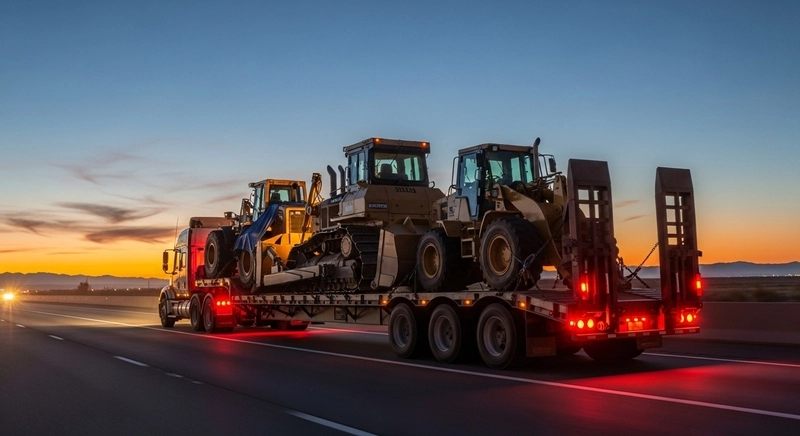
From bulldozers and dump trucks to cranes and excavators, heavy equipment plays a vital role in road construction, but also poses significant risks to nearby drivers. These massive machines move slowly, have large blind spots, and need extra space to turn or stop. When something goes wrong, the size and weight of this equipment can turn a small mistake into a serious collision.
Common Hazards Drivers Face Near Construction Equipment
Navigating through work zones can feel stressful, especially when large machinery is moving nearby. Here are some of the most common hazards drivers face when passing through areas with active construction equipment:
Sudden Lane Shifts
Roadwork often disrupts the usual traffic flow, leading to sudden lane shifts or unclear detours. Drivers may struggle to react in time, especially if markings are faded or confusing.
Reduced Visibility
Dust, debris, and bright construction lights can make it difficult to see what’s ahead. Even a brief moment of limited visibility can hide moving equipment or workers close to the road.
Unexpected Equipment Movements
Heavy machinery doesn’t always stay within marked boundaries. Sometimes, an excavator or dump truck might swing into a lane without warning, catching nearby drivers off guard.
Distracted or Impatient Drivers
Many drivers get frustrated with slower speeds or frequent stops in work zones. This impatience can lead to tailgating, risky lane changes, or missed warning signs, increasing the risk of a crash.
Narrow Lanes and Tight Spaces
Work zones often reduce available road width, leaving little room for error. Large trucks and passenger vehicles alike may struggle to stay in their lane, especially near bulky construction barriers.
How Heavy Equipment Operators Contribute to Road Safety
While heavy equipment can make work zones risky, skilled operators play a significant role in keeping everyone safe. Their training, coordination, and awareness can make a huge difference in preventing accidents. Here’s how they help protect drivers and crews alike:
Proper Training and Certification
Heavy equipment operators go through extensive training before stepping onto a worksite. They learn how to handle large machinery safely, understand traffic patterns, and follow strict safety rules set by state and federal agencies.
Clear Communication on Site
Operators stay in constant contact with flaggers and ground crews to coordinate movements. This teamwork helps avoid confusion and ensures that everyone knows when a vehicle is entering or leaving the active roadway.
Regular Equipment Inspections
Before using any machinery, operators perform safety checks to ensure brakes, lights, and signals are working properly. Catching a small issue early can prevent major accidents once the equipment is in motion.
Following Work Zone Safety Protocols
Operators are trained to follow specific safety procedures, such as maintaining a slow speed and signaling clearly before making turns. These habits reduce the chances of sudden, unpredictable movements that can endanger nearby drivers.
Staying Alert and Focused
Fatigue and distractions can lead to costly mistakes, so professional operators stay attentive throughout their shifts. Their focus helps prevent dangerous lapses in judgment that could cause collisions or injuries.
What Drivers Can Do to Stay Safe in Work Zones
Driving through a work zone can feel tense, but a few smart habits can make a big difference. By staying alert and patient, drivers can protect themselves and others from accidents caused by heavy equipment movement. Here are some practical ways to stay safe:
Slow Down and Stay Alert
Speeding through a work zone doesn’t give you much time to react when things change without warning. Slowing down gives you better control and helps you notice equipment or workers who might step into your lane. Those extra seconds can make all the difference in avoiding an accident.
Keep a Safe Distance
Following too closely behind another vehicle or construction equipment increases the risk of a collision. Giving extra space helps you stop safely if traffic halts or machinery moves unexpectedly.
Follow Signs and Flaggers
Work zones usually have temporary signs and flaggers managing traffic, and what they tell you takes priority over normal traffic signals. Staying alert and following their directions helps you stay on the right route and out of areas you’re not supposed to be in. It’s all about keeping yourself and the workers safe while you navigate.
Avoid Distractions
Checking your phone or adjusting the radio can be dangerous when conditions change quickly. Staying focused helps you notice new lane patterns, warning cones, and moving equipment.
Be Patient and Courteous
Construction work is temporary, but reckless driving can have lasting consequences. Taking a calm, patient approach helps everyone get through the zone safely, including the workers who are improving the road.
When an Accident Happens: Knowing Your Rights
Even with all the safety precautions in place, accidents in work zones can still happen. When heavy equipment or commercial vehicles are involved, figuring out who is responsible can get complicated.
Here’s what drivers should know about protecting their rights after a crash:
Understanding Liability
Multiple parties, including construction companies, equipment operators, and occasionally, government contractors, are typically involved in work zone accidents. Investigating safety procedures, maintenance records, and site operations is necessary to determine who is at fault. To determine what went wrong and who should be held responsible, a comprehensive investigation is necessary.
Gathering Evidence Right Away
When it’s safe, snap photos of the scene, any damaged vehicles, and any hazards, such as moved cones or hard-to-see signs. These pictures can be essential down the road when you’re trying to show that someone was careless or the area wasn’t safe. Capturing small details right away can make a huge difference in your case later on.
Getting Medical Attention
Even if injuries seem minor, getting checked by a doctor right away is crucial. Some injuries, especially those caused by large equipment impacts, may not show symptoms immediately but can worsen over time.
Consulting an Experienced Lawyer
A skilled lawyer can help identify who is legally responsible and pursue fair compensation. They understand the complex regulations governing construction zones and commercial vehicle operations.
Avoiding Quick Settlements
Insurance companies may offer fast payouts that do not cover long-term medical costs or property damage. It is often best to speak with a lawyer before signing anything to ensure your rights are fully protected.
A Shared Responsibility on the Road
Work zones are necessary for keeping our roads safe, but they also pose unique risks that drivers should never ignore. Staying alert, patient, and informed can help prevent serious accidents involving heavy equipment and large vehicles. If a crash does occur, an experienced 18-wheeler accident lawyer can guide you through the legal process and help you get the support you need to move forward.
