
Highway Hazards Near Oilfields: How Industrial Traffic Affects Rural Accident Rates
In the heart of America’s energy-producing regions—places like West Texas, southeastern New Mexico, and the Bakken formation of North Dakota—life revolves around oil. These booming zones fuel not just the national economy, but also a near-constant flow of heavy equipment, water haulers, sand trucks, and contractor pickups navigating narrow two-lane roads.
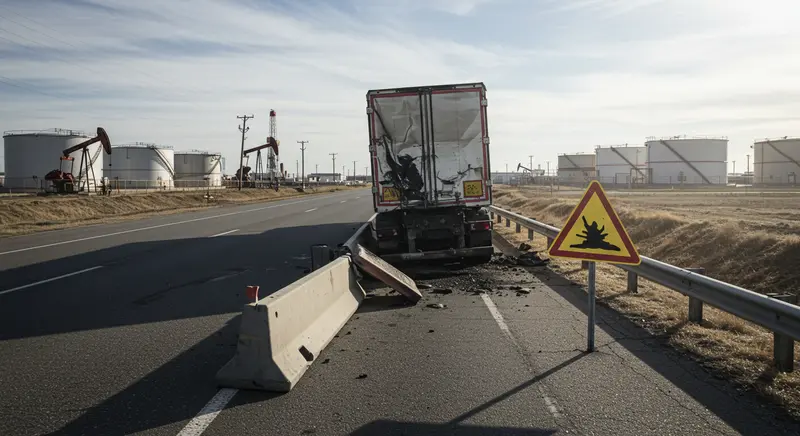
While the industry brings jobs and revenue to rural communities, it also introduces serious road safety challenges. In recent years, crash rates have surged in counties with high oil and gas activity, sparking concern among traffic safety advocates, public health researchers, and local governments alike.
The Impact of Industrial Traffic on Rural Roads
Rural roads were never designed to handle 80,000-pound trucks running around the clock. Many oilfield regions rely on infrastructure built for farming or residential use—roads that quickly degrade under the weight of constant industrial traffic. Increased traffic volume alone would be a hazard, but the oilfield introduces other risk factors as well. An experienced industrial accident attorney can help victims understand their legal options when these dangerous conditions lead to serious injuries.
- Fatigue and long shifts: Drivers often operate on irregular schedules or after 12+ hour shifts, especially in contractor roles.
- Distracted driving: The use of phones, radios, or navigating unfamiliar terrain can increase crash risk.
- Limited visibility and lighting: Many rural roads near oilfields lack adequate lighting or signage, creating dangerous nighttime conditions.
- Time pressure: Workers and haulers under tight deadlines may take more risks to meet shift changeovers or delivery schedules.
These issues compound in areas with little law enforcement presence or outdated infrastructure, leading to higher rates of collisions and injuries.
What the Data Shows
According to reports from the Texas Department of Transportation and other state agencies, counties with heavy oilfield activity often see accident rates that far exceed those of non-energy-producing areas. In fact, certain counties in the Permian Basin have reported fatal crash rates nearly double the state average during peak drilling periods. These aren’t just statistics—they reflect a public safety issue that affects not only oilfield workers but also families, school buses, and first responders sharing the road.
When Accidents Happen, Who’s Responsible?
Determining fault in oilfield-related crashes can be complicated. Some involve third-party contractors using personal vehicles; others involve commercial drivers under pressure to meet tight deadlines. In multi-vehicle incidents, liability can extend to employers, vehicle manufacturers, or maintenance providers.
That’s one reason injured workers and motorists often turn to oilfield injury attorneys to understand their rights. These legal professionals help investigate the cause of a crash, determine who’s at fault, and pursue compensation when negligence is involved—especially when corporate policies or industry practices contributed to unsafe conditions.
Improving Safety in Oilfield Regions
Efforts to reduce vehicle crashes in oil and gas areas include:
- Infrastructure upgrades: Strengthening rural roads, adding passing lanes, and improving signage.
- Stricter safety regulations: Enforcing rest breaks, vehicle maintenance protocols, and driver training standards.
- Technology adoption: Using telematics and monitoring systems in commercial fleets to track risky behaviors.
- Community partnerships: Collaborating with local governments and emergency responders to share data and plan for high-traffic periods.
Still, meaningful change takes time—and in the meantime, many rural communities continue to bear the burden of oilfield traffic.
Final Thoughts
Energy production drives economic growth, but it also brings unintended consequences to the communities that support it. Rising crash rates near oilfields are more than a side effect—they’re a call to re-evaluate how we manage risk in high-demand zones. Whether you’re a local driver, a commercial hauler, or a worker commuting to a rig, awareness is key. The more we understand the unique risks tied to oilfield traffic, the better we can protect ourselves and others on the road.
