
How the SRS Airbag Control Module Works to Ensure Safety in Your Vehicle
Vehicle safety has dramatically evolved over the years, with advanced technologies that protect drivers and passengers from injury during accidents. Among these, airbags are one of the most critical safety features. Airbags deploy in the event of a collision to cushion and protect the occupants from injury. However, the functionality and effectiveness of airbags depend on a sophisticated system—one of its essential components being the SRS airbag control module.
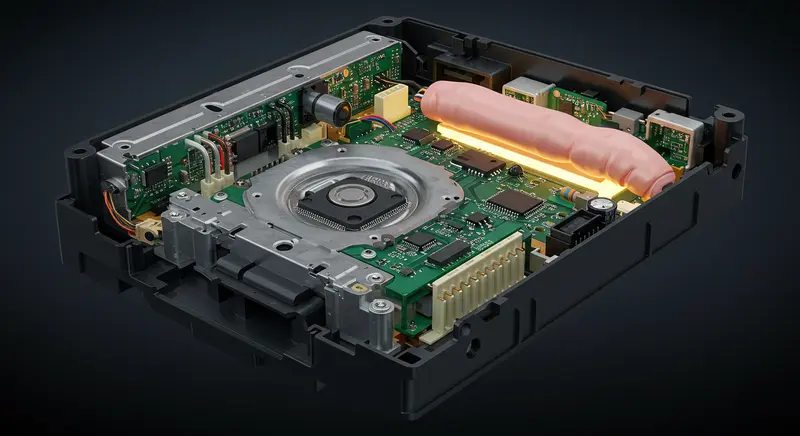
The SRS (Supplemental Restraint System) airbag control module is the brain behind the airbag system. It plays a pivotal role in ensuring that the airbags deploy at the right moment and in the right manner to maximize safety. This article will delve into how the SRS airbag control module works, why it’s crucial for your vehicle’s safety, and what you need to know to ensure it functions correctly.
The Importance of Airbags in Vehicle Safety
Before understanding how the SRS airbag control module works, it’s important to understand the role of airbags in vehicle safety. Airbags are designed to deploy in the event of a crash to reduce the force exerted on the occupants. When an accident occurs, airbags provide a cushion between the occupants and the hard surfaces inside the vehicle. By inflating in milliseconds, airbags prevent serious injuries, especially to the head and chest area, which are the most vulnerable parts during a collision.
Airbags are not meant to replace seatbelts; they work together to enhance protection. While seatbelts secure occupants in their seats and prevent ejection from the vehicle, airbags help to mitigate the effects of the collision by providing a cushion. Together, they provide the best defense against injury during a crash.
What is an SRS Airbag?
To understand the workings of the airbag control module, it’s essential to know what is an SRS airbag. The SRS airbag is a critical part of the vehicle’s safety system, designed to deploy when a collision is detected. The term SRS stands for Supplemental Restraint System, which refers to a group of devices, including airbags and seatbelt pre-tensioners, that work in conjunction to protect vehicle occupants during an accident.
An SRS airbag typically inflates using a combination of sensors that detect rapid deceleration, such as when a vehicle impacts an object. When these sensors detect a significant crash force, they send signals to the airbag control module to deploy the airbags. In modern vehicles, multiple airbags are installed, including front airbags, side airbags, curtain airbags, and knee airbags, all of which are triggered by the SRS system.
Understanding what is an SRS airbag helps highlight the importance of the control module, which ensures that all airbags deploy properly in the event of a collision.
The Role of the SRS Airbag Control Module
The SRS airbag control module is the electronic unit that monitors and controls the airbag system. It receives data from various sensors throughout the vehicle to assess the severity of an accident and decides when and how the airbags should be deployed. The module’s primary function is to activate the airbag inflators, but it also plays a role in recording crash data and maintaining system diagnostics.
Here are some of the key roles of the SRS airbag control module:
- Collision Detection: The module is connected to sensors placed in different parts of the vehicle, such as the front, sides, and rear. These sensors detect changes in the vehicle’s velocity and deceleration rates. When the module receives data indicating that a collision has occurred, it decides to activate the airbags.
- Control and Timing of Deployment: The SRS airbag control module ensures that the airbags deploy at the right time. In certain types of crashes, such as side-impact collisions, it may not be necessary to deploy the airbags immediately. The module adjusts the deployment timing based on the severity of the accident to ensure that the airbags provide maximum protection without causing harm.
- Recording Crash Data: The SRS control module is equipped with the ability to store data from the crash. This data can include the force of the collision, the speed of impact, and the timing of airbag deployment. In some cases, this information can be accessed after the crash for diagnostic purposes, helping technicians assess the system’s performance.
- Safety Checks and Diagnostics: The airbag control module also plays a diagnostic role. If there’s any issue with the system, such as a malfunctioning sensor or a disconnected airbag, the module will detect the fault and trigger the airbag warning light on the dashboard. This informs the driver that the airbag system requires servicing.
How Does the SRS Airbag Control Module Activate the Airbags?
Now that we understand the role of the airbag control module, let’s take a closer look at how it works to activate the airbags in a crash. The process is highly intricate and involves several steps:
- Sensor Data Collection: The vehicle is equipped with multiple sensors that measure the force, speed, and direction of a collision. These sensors are located in areas like the front bumper, side panels, and even within the seats and seatbelts. When an impact occurs, these sensors send real-time data to the SRS airbag control module.
- Data Analysis: Once the control module receives the data, it analyzes the severity of the collision. It checks whether the crash meets the threshold for airbag deployment. If the crash is severe enough, the module initiates the next step.
- Airbag Activation: The module then triggers the airbag inflators. Airbags are inflated using a chemical reaction that produces a gas, which rapidly fills the airbag. The timing and force of the airbag deployment are carefully controlled to ensure that they deploy at the exact right moment, providing a cushion for the occupant.
- Deployment of Multiple Airbags: Depending on the type of collision, the SRS system may deploy several airbags. Front airbags, side airbags, curtain airbags, and knee airbags all have specific roles. The module ensures that the right combination of airbags deploys based on the type of crash and the location of the impact.
Maintenance and Servicing of the SRS Airbag Control Module
While the SRS airbag control module is designed to be highly reliable, it requires regular maintenance and servicing to ensure that it continues to function correctly. Several factors can affect the performance of the module, including sensor malfunctions, wiring issues, or the accumulation of debris in the module’s sensors.
Here are some key points about servicing the SRS airbag system:
- What to Do if the Airbag Warning Light Comes On: If the airbag warning light appears on your dashboard, it indicates a potential issue with the airbag system. It may be a sign that the SRS airbag control module needs servicing, or there could be a fault with one of the sensors or airbags. In any case, it’s crucial to have the system diagnosed and repaired as soon as possible to ensure that your airbags are ready to deploy in the event of an accident.
- Scheduled Maintenance: Most vehicles require periodic checks of the airbag system during regular maintenance visits. These checks include inspecting the airbag control module, sensors, wiring, and inflators to ensure everything is working properly.
- Replacing Faulty Modules: If the SRS airbag control module is damaged or malfunctioning, it must be replaced. Typically, the module cannot be repaired and must be replaced entirely, which is a specialized task requiring professional expertise.
Risks of a Malfunctioning SRS Airbag Control Module
A malfunctioning airbag control module can be dangerous. If the module fails to deploy the airbags during a collision, it could lead to serious injuries. On the other hand, a malfunction could also lead to the airbags deploying unnecessarily, posing a risk of injury to the vehicle occupants due to the force of the airbags.
Common reasons for airbag control module failure include:
- Faulty sensors or wiring connections.
- System overload or electrical malfunctions.
- Previous vehicle accidents that damage the module or its components.
Regularly checking the status of the SRS airbag control module ensures that it will perform as expected in an accident, protecting the lives of the vehicle’s occupants.
Conclusion
The SRS airbag control module is a critical component in modern vehicle safety. By coordinating the deployment of airbags and ensuring they inflate at the right moment, the module helps protect occupants during accidents. Understanding what is an SRS airbag and how the control module works gives vehicle owners a deeper appreciation of this complex system and its role in safety.
Regular maintenance and prompt attention to any airbag system warnings will help ensure that the system functions correctly when needed most. As with any vehicle safety feature, maintaining the airbag system is essential for ensuring the protection of everyone inside the vehicle.
