
Hyundai Santa Fe Years To Avoid: What You Need to Know
Hyundai Santa Fe is one of the most recognized and demanded midsize SUVs on the market. First launched in 2000, it was popular for its economical price, commendably large interior, and other outstanding qualities. But as usual, not all cars of this model year can be considered equal. There are some years noted with reliability problems and high repair costs.
In this guide, you will find out what Hyundai Santa Fe Years to avoid, as well as the most frequent issues reported, predicted reliability ratings, and other suggestions that will make the car buying decision clear.
Brief information about the Hyundai Santa Fe
Brief History and Popularity
Hyundai’s first SUV the Hyundai Santa Fe was introduced to the market in the year 2000. In combination of comfort and affordableness with practicality it grew into a worthy opponent in midsize SUV segment. Years later the design has gone through different generations and it has come up with a new design, new technologies and new performance.
Why It Is Important to Know the Worst Years
Knowing which model years are issues can prevent you from buying a car that will require expensive repairs, could be dangerous, and might be a pain in the future. Some model years have been plagued by repeated mechanical and electrical problems that transfer ownership desirability.
Hyundai Santa Fe Years To Avoid: Key Problems
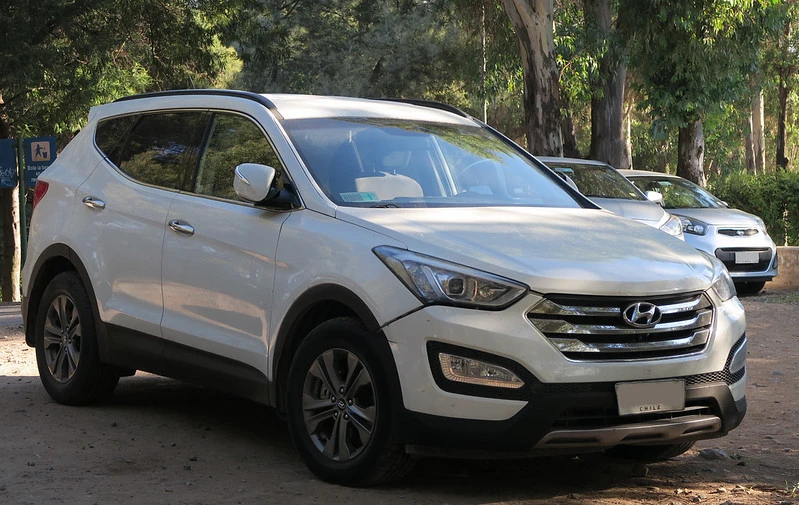
1. Engine Issues
Solutions to the engine are known to be among the most expensive and worrying experiences for an owner of a car. In the affected Hyundai Santa Fe models, these included:
- Stalling and Seizing: Such issues arose mainly from lack of sufficient components in the engine and lack of proper circulation of the oil.
- Excessive Oil Consumption: The costs can be very high if the engine runs low on oil without the owner even knows it.
2. Transmission Failures
The 2007–2009 and 2015 models had notable transmission problems. Problems included:
- Hard Shifting: This is a dual problem involving both comfort and safety and makes it almost impossible for the driver to accelerate fluently.
- Delayed Gear Engagement: Instances of delayed shifting could give a wrong impression on the road, especially when merging on the highways.
3. Electrical System Problems
Almost all of today’s cars contain numerous electronics which control the majority of the car’s basic functions like the display on the dashboard. Hyundai Santa Fe models from the years to avoid commonly experienced:
- Malfunctioning Dashboards: Digital displays stop working or do not display accurate content.
- Sensor Failures: Problems with backup cameras, navigation, and other sensors caused the reduction in driving convenience and safety.
Hyundai Santa Fe Model Years to Avoid
To make potential buyers aware of how deep problems are concerning the unreliable Hyundai Santa Fe model years, we will glance at recurring problems per year with possible costs.
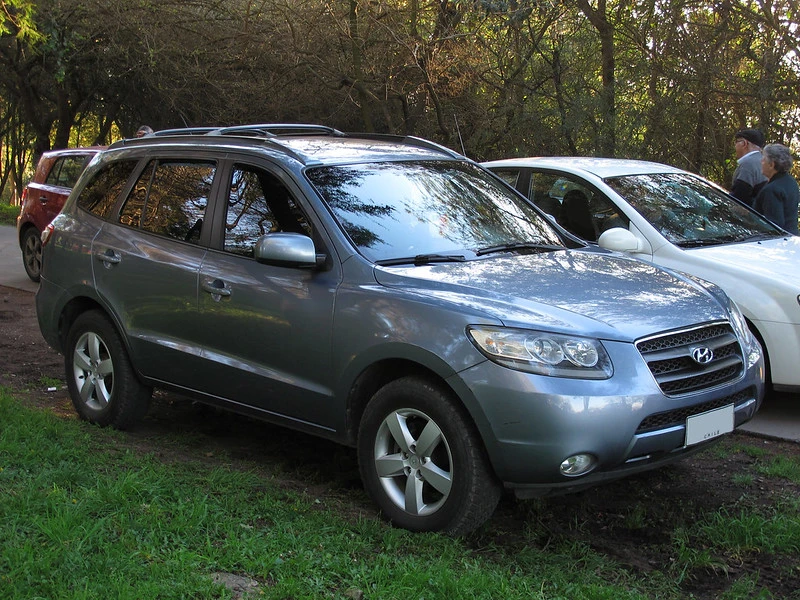
2007–2009 Hyundai Santa Fe
Engine Problems
Among the challenges that were seen as critical for the development during the early years of the car industry, one of the crucial factors was the question concerning the reliability of the engines. This was evidenced by reports from the owners’ section that the engine was prone to stalling or seizing due to the bad design of the internal parts. These defects were a result of poor production processes and other substandard parts and materials used. More specifically, damaged piston rings were said to be the most common primary causes, which led to excessive oil consumption and final engine failure.
Potential Costs:
- Engine Rebuild or Replacement: $3,000–$5,000.
- Ongoing Maintenance for Minor Issues: This may include frequent oil tips and frequent check up that could cost additional few hundred of dollars per year.
Transmission Issues
As for the 2007–2009 models, another significant and widespread concern was the transmission failure, which was costly to address. Some of the complaints included shuddering of gears as well as claims of delayed engagements which posed a threat to the safety of the vehicles.
Potential Costs:
- Transmission Repair or Replacement: $2,500–$4,000.
- Diagnostic Fees and Fluid Replacements: $100–$300 per visit.
2013 Hyundai Santa Fe
Engine Failures
It is on record that the 2013 Santa Fe came face to face with several engine issues where many owners encountered total failure of the engine due to the connecting rod and crankshaft bearing issues. These defects could create a knocking sound signifying looming failure. Sadly, in most of these circumstances, full engine replacements were needed.
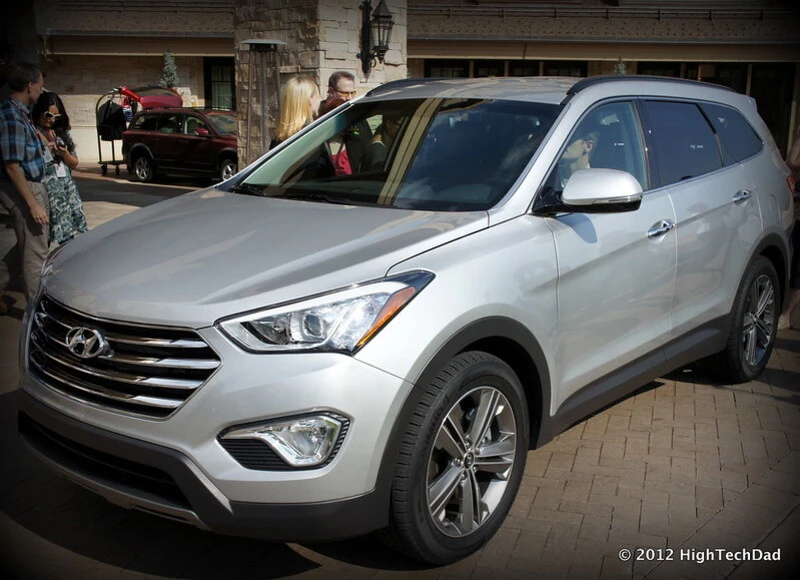
- Class Action Lawsuit: The popularity of this issue resulted in a multi-million dollar lawsuit against Hyundai as consumers claimed that the company deliberately sold cars equipped with faulty engines. This made it bring out how bad and prevalent the problem was.
Potential Costs:
- Engine Replacement: $4,000–$6,000.
- Towing and Additional Diagnostic Services: Up to $500.
2015 Hyundai Santa Fe
Engine Design Flaws and Other Affiliated Issues
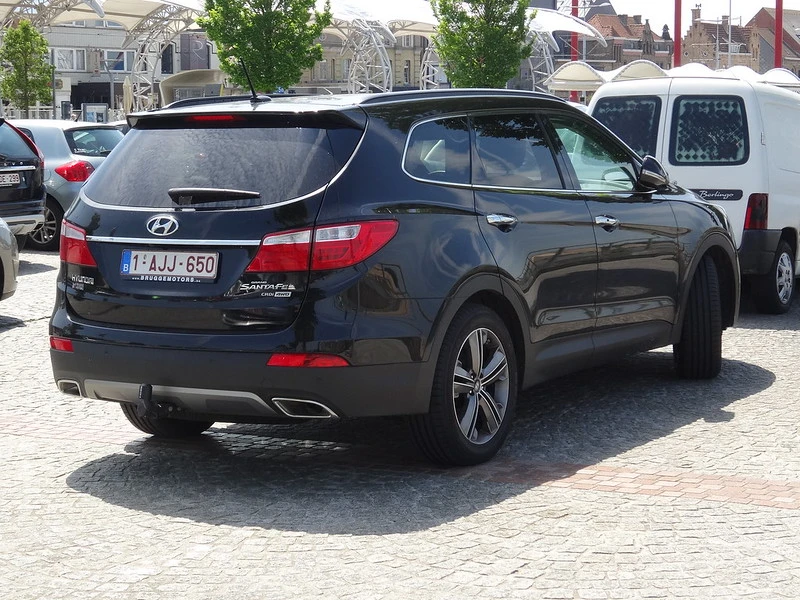
The 2015 model of Santa Fe also exhibited the tendency of the car models to have problems with the engines, just as some of the previous models had. More specifically, problems that emerged in this model concerned inefficient oil flow and malfunctioning engines, which would stall or cut off at incorrect times. Still, other drivers were able to report that, at times, the engine would stall, and this was very dangerous when it happened at high speeds.
Transmission Hesitation
Another concerning issue regarding the 2015 model was the transmission that would lag during acceleration and perform poorly in responding to sudden instances such as entering a highway.
Electrical System Failures
Owners also mentioned that they encountered problems like faulty infotainment system, issues with the sensors and problems with the display on the dash-board. Although these electrical problems were not as expensive as those involving the engine these were annoying and pointed to erratic quality control.
Potential Costs:
- Engine Repairs: $3,500–$5,000.
- Transmission Repairs: $1,500–$3,500.
- Electrical System Fixes: between $200 and $1,000 for most assignments based on their difficulty.
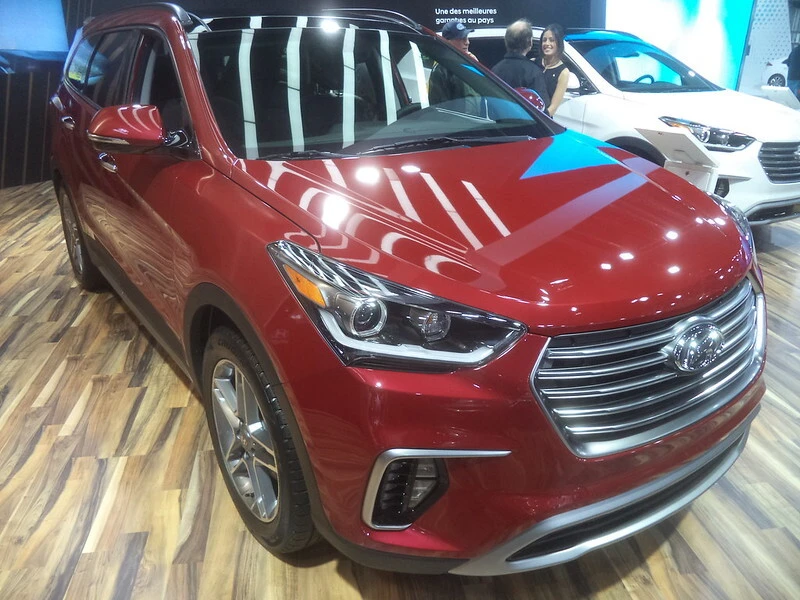
2017 Hyundai Santa Fe
Engine Stalling and Fuel System Problems
The 2017 model year indicated some advancement over the previous problem years but was not as efficient and authentic as expected. Problems related to stalling of engines were still experienced and these were most commonly associated with the fuel system which resulted in poor fuel supply. While this was the case, it also led to issues relating to performance with the added bonus of potential safety risks.
- Safety Feature Malfunctions: Another problem identified was issues with advanced safety systems, including lane departure and blind spot alerts. These defects may produce less situational awareness and a higher possibility of accident sometimes.
Potential Costs:
- Engine and Fuel System Repairs: $2,000–$4,000.
- Safety Feature System Overhauls: The cost for a typical part runs between $500 and $2,000, depending on the part and the type of system involved.
Best Years of Hyundai Santa Fe
If you’re interested in a reliable Hyundai Santa Fe, consider the following model years:
- 2010–2012 Models: These models are usually well and positively rated the reliability, and they have comparatively fewer numbers of complaints. They fall in the right middle bracket, they are not very expensive, but they get the work done.
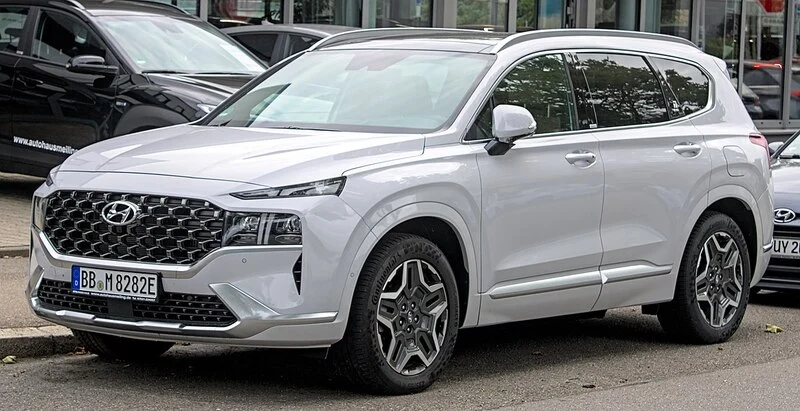
- 2018 and Newer: Shortly, the new generations starting from 2018, are much more improved in terms of design, safety aspects, and technology. They are better and generally, have lower incidences of reliability issues.
- 2021 and Newer Hybrid Models: Hyundai’s investment in hybrid technology has transformed models which are fuel efficient, environmentally friendly and 100% reliable thus appealing to the green consumers.
Why These Years Are Reliable
The models after 2018 have improved quality control as a result of which these post-2018 models were redesigned considerably. They did contribute greatly in doing away with so many problems which were evident in previous models like; faulty engines and wrong transmissions systems. Further, Hyundai enhanced safety facilities and general structure of the cars.
Comparison with Competitors
While the Hyundai Santa Fe has many positive attributes, it’s wise to compare it with other midsize SUVs, such as:
- Toyota Highlander: Characterized mostly by extraordinary dependability and lengthy sturdiness of engines.
- Honda CR-V: Provides a sound avenue of reliability and durability as well as maintaining low levels of maintenance expenses.
- Mazda CX-5: It has responsive handling as well as a premium build interior and has relatively reasonable reliability.
Hyundai Santa Fe: How to Identify a Potentially Dangerous Used One
Inspection Tips
Before purchasing a used Hyundai Santa Fe, take the following steps:
- Check the Vehicle History Report: For instance, there are sites like Carfax or Autocheck which give information on accidents, recalls, and service history among other things.
- Get a Pre-Purchase Inspection: Taking the car to a reputable mechanic for a look can identify latent deals and save one a lot of trouble later on.
- Test Drive for Warning Signs: Listen for any odd noises, gearbox changes, or dashboard warning lights while in the test drive.
Key Areas to Inspect
- Engine Performance: Listen for the knocking sound, observe the grey cloud of exhaust smoke, and be sure to accelerate without jerking.
- Transmission Function: Ensure that there is no slipping between the gears and no lag in gear shifts.
- Electronics: Check all the electronics starting with the Infotainment system and safety features and all the sensors.
Practical Tips for Buying a Used Hyundai Santa Fe

Conduct Thorough Research
Always remember to read owners’ feedback and forums dedicated to the Hyundai Santa Fe. There are online resources like CarComplaints.com and there are also consumer reviews provided by various automotive sites such as Edmunds or J.D. Power.
Test Drive Checklist
During a test drive, focus on:
- Engine Noise: Do not listen for any abnormal loud or faint knocking, ticking or whining sounds that are signs of internal mechanical breakdowns in the engine.
- Transmission Behavior: A close look at the speed gears also shits up to identify the efficiency of the vehicle.
- Electronic Features: Check that important safety options such as blind-spot information, backup cameras and lane-changing assist operate effectively.
Pre-Purchase Inspection
If you don’t want the unpleasant surprise to strike right after you buy a used car, it is best to have your favorite mechanic inspect the car before the purchase. They can also seek out problems that may not be readily apparent within a few miles wearing and tearing on components such as the engine or transmission.
Measures That Hyundai Has Taken to Fight Problems
Recalls and Customer Support
There have also been numerous recalls, which relates to the Indian car manufacturing unit that in recent past has given out many recalls concerning the problems with the engines, transmission and safety features of the Hyundia cars. Although these recalls have been valuable, they have not involved all affected units, and some owners have been unable to access the repairs they needed on time.
Warranty Programs
Hyundai assembled an extensive warranty program which usually includes the powertrain, limited to 10 years or 100000 miles. These factors have ensured customer confidence is retained, especially since the company has faced reliability problems in the past. However based on the used model, it’s very important to make sure that the used model you are considering buy is still under warranty or to ask for an extended warranty if available.
Conclusion: Making the Right Choice
Knowing which hyundai santa fe years to avoid can help you avoid a good deal of problems and disappointing moments as an owner. Some of the problems were found in models like 2007-2009,2013,2015 and 2017 but the current models are far much better. By conducting research, being sensible, and observing the weaknesses which you’re likely to encounter, it is possible to select a Santa Fe model that meets your purpose without letting you down.
Always prioritize:
- Comprehensive Vehicle Inspections
- Test Drives
- Reviewing Vehicle History Reports
By following such an approach, your used Hyundai Santa Fe purchase will be a good experience as a result of giving you what the model promises a reliable car that offers comfort whenever it is in its best shape.
