
Jeep Patriot Years to Avoid: Expert Tips for a Smart Buy
Jeep is the brand that introduced the first-ever Jeep in history, but it was thoughtfully designed with only one sole purpose in mind: to serve as a lightweight four-wheel drive truck for the United States Armed Forces during World War II. Undoubtedly, the Jeep Patriot was and is still an incredible off-roading capable compact crossover SUV, yet it also struggles with many company issues and known faults. In this article, we will discuss the Jeep Patriot years to avoid.
About Jeep Patriot
The design philosophy of earlier Jeep models was purely for off-roading, who knew that back then, this military vehicle would become one of the world’s toughest vehicles. After the war, military trucks effortlessly segued into civilian-use vehicles.
After the success of the first-ever civilian truck, the CJ-2A, Jeep decided to expand its lineage into the Cherokee, Grand Cherokee, and Wrangler, each designed to take you anywhere, anytime.
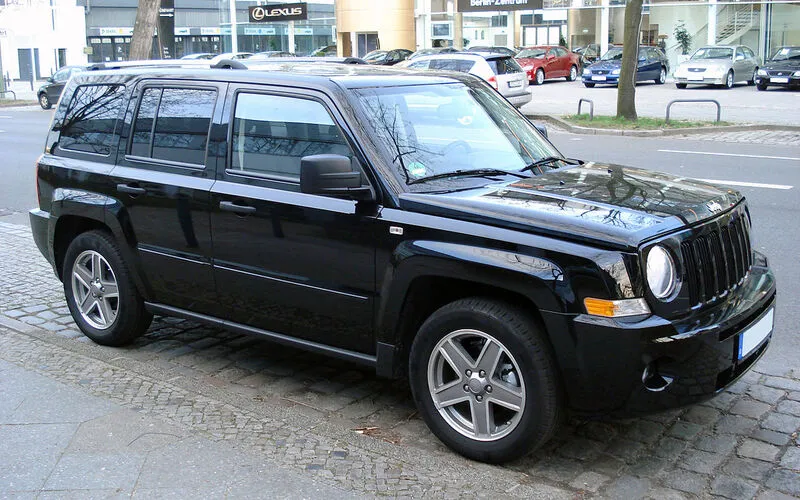
The Jeep Patriot was designed to have that rugged body design, yet with modern features from the Grand Cherokee. Not only that, the Patriots even share a platform with Compass and Dodge Caliber, which makes it have the most of the three most capable off-road vehicles.
Jeep Patriot Years to Avoid
If you are planning to buy a used one, here are the worst model years to avoid:
| Model Year | Number of NHTSA Complaints | Major Recalls | Common Issues |
| 2007 | ~175 | 1 | CVT transmission failure, engine stalling after refueling, premature ball joint and tie rod wear |
| 2008 | ~436 | 0 | Sunroof leaks, damaging electronics, TIPM failure, brake switch failure, subframe corrosion |
| 2009 | ~382 | 1 | Engine stalling in cold weather, throttle body malfunction, radio failure in hot weather |
| 2010 | ~200 | 4 | CVT overheating, suspension ball joint wear, airbags failing to deploy, starter relay failure |
| 2011 | ~460 | 1 | Engine stalling at highway speeds, gear slippage in CVT, stalling after refueling |
| 2012 | ~534 | 4 | Electrical malfunctions, TIPM failure, engine stalling during acceleration, fuel system issues |
| 2013 | ~112 | 1 | Window regulator short-circuits, engine overheating and limp mode, faulty fuel tank sensor |
| 2014 | ~857 | 2 | Airbag failure or explosion, engine oil pressure loss, random engine check lights |
| 2015 | ~313 | 1 | Fuel injection and sensor failures, electrical malfunctions, sunroof leaks |
| 2016 | ~471 | 1 | TIPM failure, oil leaks, shifting delays, electrical instability, spark plug misfires |
| 2017 | ~20 | Minor | Battery drain (TIPM), suspension rattling, brake rotor overheating, wheel bearing wear |
2007 Jeep Patriot
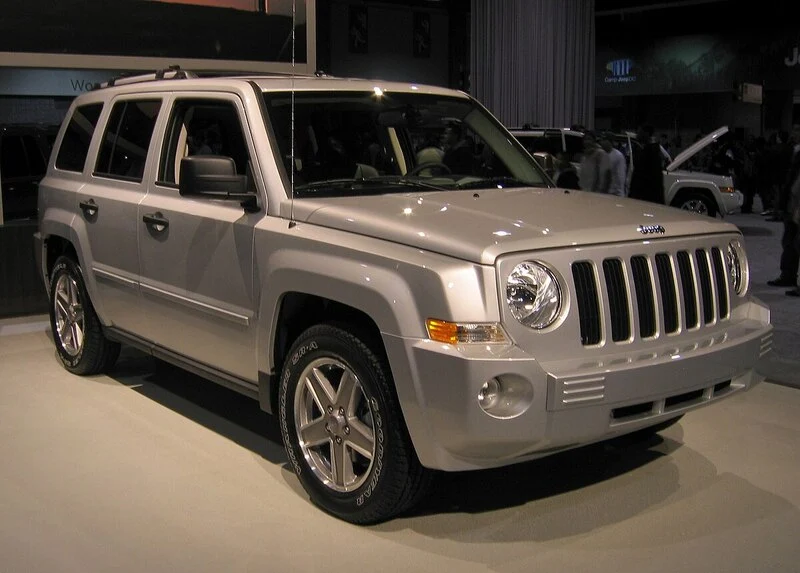
The 2007 Jeep Patriot has near to 175 complaints reported to NHTSA with only one major recall. Some of the common issues with this particular model year are:
- Complete CVT transmission failure (near 130,000 miles) due to belt design and overheating.
- The engine stalled after filling the gas tank due to a faulty vapor-liquid separator valve in the fuel tank.
- Early worn-out ball joints, tie rod ends, and even upper control arm failures around 74,000 miles.
2008 Jeep Patriot
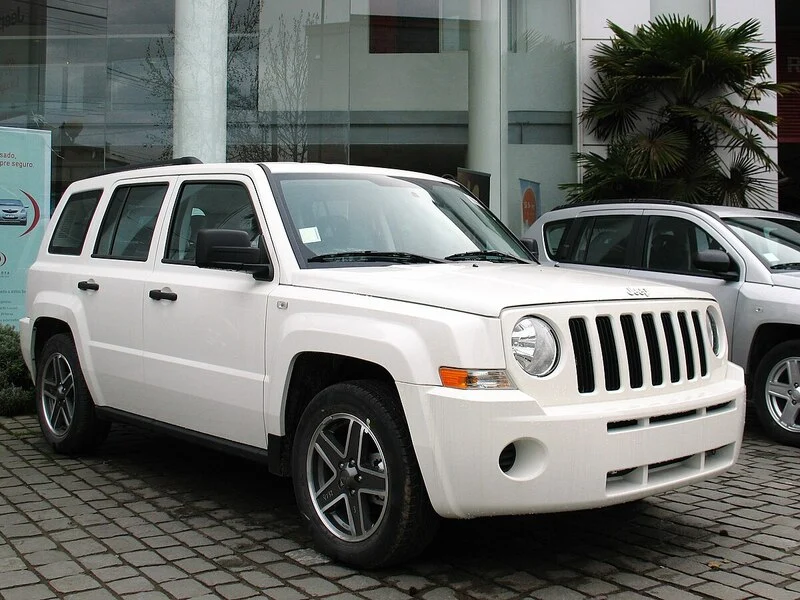
The 2008 Jeep Patriot has had roughly 436 more NHTSA complaints so far, yet there has not been a single recall, even after a high complaint volume. However, some of its common issues that you should look for:
- Severe water leakage from the sunroof, where water travels downwards to the dashboard, damages electronics (short-circuiting the radio or headlights).
- A faulty circuit is causing complete failure of the TIPM (Totally Integrated Power Module) where the engine will not start.
- The brake switch frequently fails, preventing the shift from “Park” to any other drive mode.
- Loose ball joint issues, which cause suspension noises over bumps.
- First gear jumping out in manual transmission models.
- Failed to engage the reverse gear at nearly 30,000 miles on the odometer.
- The front subframe has severe corrosion due to road salt, requiring replacement at roughly 65,000 miles.
2009 Jeep Patriot
The 2009 Jeep Patriot has fairly less complaints than the 2008 model, with 382 reports to NHTSA, and only one major recall. Despite that, the most common known faults of this particular model are:
- The engine stalling or quietly shutting down at stop signs in cold weather requires PCM replacement.
- The radio completely stops working in hot weather.
- The throttle body is malfunctioning, causing a cut in acceleration, requiring a cam sensor or even a complete throttle body replacement.
2010 Jeep Patriot
The 2010 model has even fewer reported complaints, counted nearly 200 reports to NHTSA, yet it has four major recalls. Since Patriot did not have many generations like most of its vehicles in its lineage. Some of the common issues are:
- Grinding and whining noise from the CVT transmission due to overheating and belt wear.
- Premature wear in the ball joint due to a suspension design flaw.
- Airbags and seatbelts did not deploy during minor crashes.
- The starter relay failure was causing no-crank issues, where the engine would not crank.
2011 Jeep Patriot
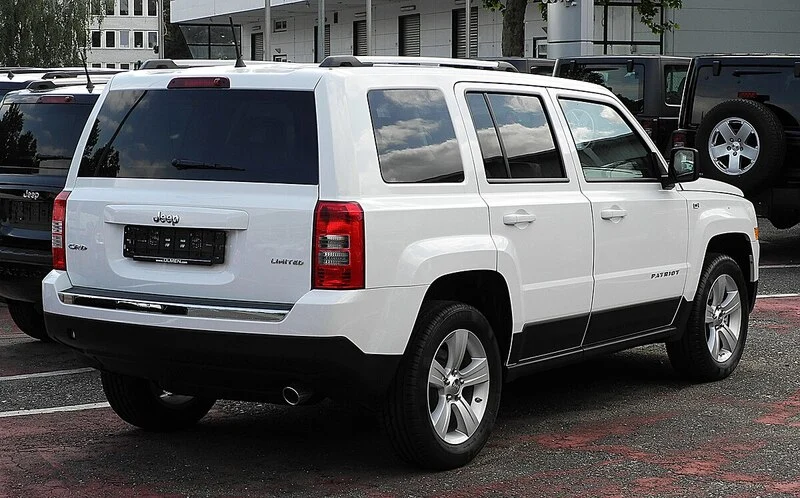
The 2011 model again had more complaints at 460 reported to NHTSA, along with one major recall and under investigation for engine stalling. No doubt, Patriot is an incredible off-roading-ready truck, yet you cannot ignore the following issues:
- Engine stalling or sudden shutdown at highway speeds (such as 60+ mph), where crankshaft and camshaft sensors failed.
- Shifting issues and gear slippage in CVT models.
- Engine stalling after tank refill to top until the fuel gauge drops under the full mark.
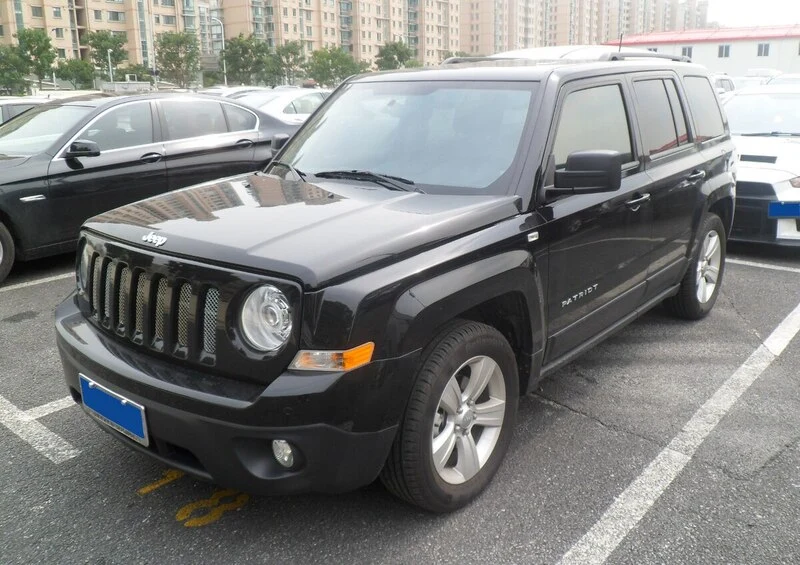
2012 Jeep Patriot
The 2012 Jeep Patriot years to avoid have the highest no. of complaints reported to NHTSA, which are 534 reports and four major recalls, including airbag replacement and fuel system component replacement. Some of the most commonly reported issues are:
- Random electrical malfunctions, no-start conditions, turn signal/parking light failures.
- TIPM failure causes a faulty AC compressor and engine stalling despite repairs.
- Engine stalling during acceleration (accelerating between 20-40 mph).
- Fuel transfer system issues are causing a recall for the fuel transfer tube and fire risk issues.
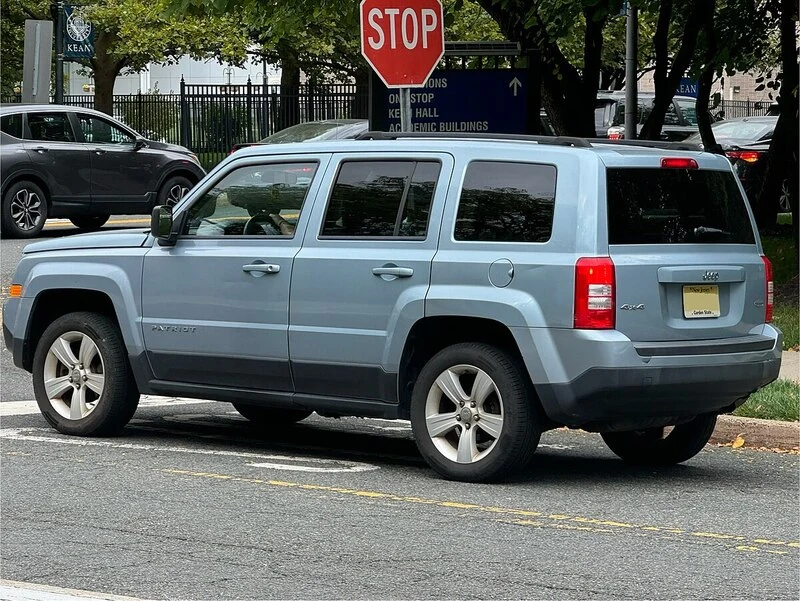
2013 Jeep Patriot
The 2013 Jeep Patriot had one of the fewest reported complaints to NHTSA, which was 112 reports and only one major recall. Some of the commonly reported issues are:
- Rear passenger window regulator short-circuits, causing a burning smell and smoke; the fire safety team is required to disconnect the wires.)
- Engine stalling or deceleration when towing or trying to tow.
- There is an engine overheating issue, and the vehicle drops speed and enters limp mode (it does not drive at the maximum speed of 30 MPH), requiring stopping to cool down.
- The fuel tank sensor causes the stop of the fuel supply at half-tank capacity. Root cause: fuel system sensor or tank problems.
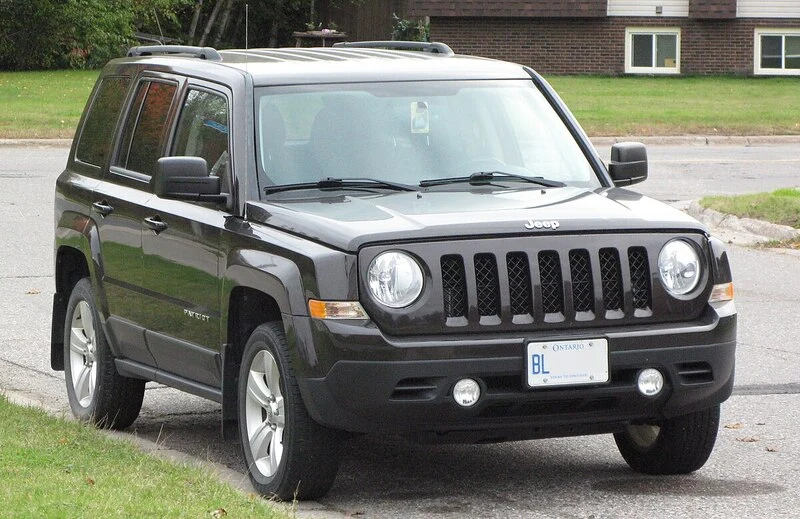
2014 Jeep Patriot
The 2014 Jeep Patriot has one of the highest reported issues, which are roughly 857 reports and two major recalls. Some of these recalls included airbag replacement and engine balance shaft replacement. Other commonly known faults are:
- Failure during airbag deployment (or exploding on impact) caused 23 injuries and two deaths.
- Loss of engine oil pressure due to an engine balance shaft problem and abrasion.
- The engine check light is turning on without any specific issue.
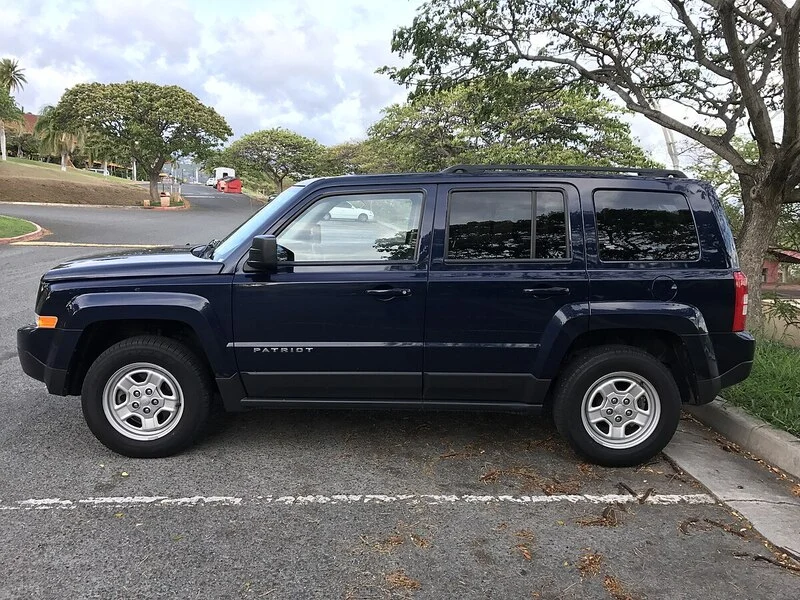
2015 Jeep Patriot
This particular 2005 model Patriot from Jeep has nearly 313 complaints reported to NHTSA and one major recall from the company for the replacement of the power steering hose, since it caught fire and had other severe risks. Among many, some common problems are:
- Fuel injection failure, along with sensor issues, causes the engine to shut down suddenly, no matter what speed or under what load.
- The engine stalling without any check light warning past the 34,000-mile mark.
- Water leakage from the sunroof into the interior causes damage to the infotainment system and other electrical components.
- Major electrical malfunctions with the power windows harness and TIPM module failure.
2016 Jeep Patriot
The 2016 Jeep Patriot has more issues with the engine compartment than others altogether. NHTSA received 471 reports in total and one major recall for crankshaft and camshaft sensor replacement, where 267 were related to engine, 92 for electrical components, 41 for fuel issues, and 71 were associated with the drivetrain. Some of the common issues are:
- Constant oil leakage from the valve cover gasket due to poor design and material.
- Transmission control module software glitches causing delays in shifting, jerky shifting and hesitation to accelerate when cold.
- The chronic issue of TIPM across all model years where no start-ups, and sudden engine shutdown.
- corroded ground wire connections, causing electrical instability.
- Battery drain issues with the short wiring harness.
- Crankshaft position sensor failure is causing the provision of wrong critical information and eventually engine stalling and other acceleration issues (reported error code is P0335)
- Many visible issues with the paint job and minor defects with the body structure.
- Faulty plastic gears in the electronic throttle gear cause the engine to lose acceleration.
- Quickly worn-out spark plugs and frequent misfiring issues.
- Slight neglect in replacing transmission oil will cause overheating, and eventually, gear slipping will start.
2017 Jeep Patriot
The 2017 model year was the last in production for the Patriot. After this model, Jeep decided not to take it any longer. The company tried its best to overcome all issues previously reported. Yet, this last model year, 20 complaints were still received from NHTSA with minor recalls only. Some issues were:
- Overnight battery drain due to the TIPM circuit failing to sleep on shutdown and draining current.
- Poor sound deadening and fasteners failed to dampen rough road noises.
- Suspension rattling noises due to subpar rubber bushings.
- Brake rotors are overheating due to low-grade build quality.
- Earlier failure of front wheel bearings due to road salt/dirt exposure.
Bottom Line
Jeep Patriot has only been around for a decade, with its unfortunate discontinuity in 2017. Patriot was extremely reliable in terms of off-roading and highway driving capabilities, yet it only failed in the automobile industry due to a lack of building trust.
Mostly, people loved its boxy, rough, and tough body design, notwithstanding its issues. Some of the most common issues across the board were recurring mechanical and electrical issues, which the company failed to deal with, even though the no. of reports. But you should be cautious of Jeep Patriot years to avoid.
Eventually, the decision is yours. If you are happy to take things to the workshop and have things repaired now and then, buy yourself a used Jeep Patriot since brand new is not coming from the factory now. Presumably, you can also get your hands on a Patriot whose previous owners solved all issues.
