
Kia Rio Years to Avoid — A Complete Guide for Smart Buyers
Purchasing a used Kia Rio can be a great money-saving measure, but you should only do it knowing which of the years will pay off and which ones will not. Kia has made the Rio better in design, performance, and reliability over the decades.
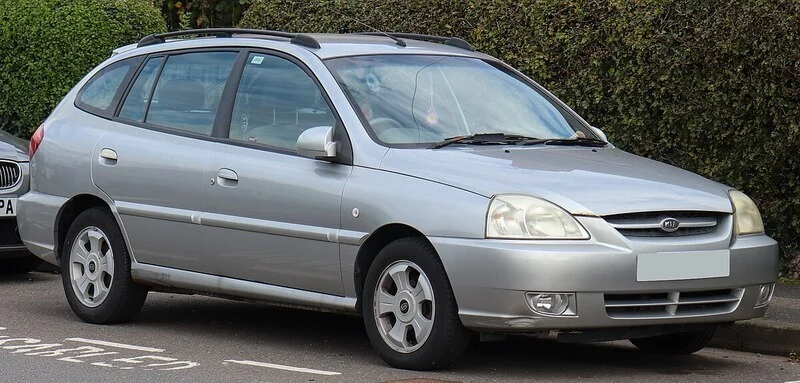
Nevertheless, they have not been all the model years they hype. Others have been lucky enough to experience endless malfunctioning of their machines, electricity problems, and expensive maintenance costs. This detailed guide will help you identify the Kia Rio years to avoid, the best models to buy, and what common problems to watch out for.
A Rapid Review on Kia Rio Legacy
The Kia Rio was launched in 1999, and it was developed as a low-end and small car to be used daily. It caught on rapidly among first-time customers and city drivers because of its low cost and fuel efficiency.
Nevertheless, the initial ones also did not lack, though. Some of the models had trouble with engine failure, brakes, and electrical issues, which might negatively affect the performance and safety.
The systems in Rio generations of the past posed a risk of lowering braking efficiency and control because of poor maintenance, and thus, the possibility of vehicle accident injury could not be overlooked in case they are not resolved. Luckily, Kia rectified most of these weaknesses in subsequent generations by having better engines, safety systems, and quality of construction.
Generations of the Kia Rio
The Kia Rio has been through four significant generations, and each generation has had significant design and performance improvements.
| Generation | Model Years | Highlights | Known Issues |
| 1st Gen (2001–2005) | Compact sedan and hatchback | Affordable entry-level design | Weak safety features, fuel leaks, and poor braking |
| 2nd Gen (2006–2011) | Improved efficiency and handling | Better ride comfort | Engine stalling, ignition coil failures |
| 3rd Gen (2012–2017) | Modern styling with tech upgrades | Enhanced fuel economy | Spark plug wear, engine misfires |
| 4th Gen (2018–2023) | Sleek design and stronger safety | Great reliability and comfort | Minor brake and sensor issues |
Compared to other compact cars and even the Best SUVs without CVT, the 4th-generation Kia Rio stands out for using a traditional automatic transmission that’s simpler and more dependable than CVT systems found in many modern vehicles.
Worst Kia Rio Years to Avoid
Not every Kia Rio is manufactured at the same level. According to the data on reliability in NHTSA and CarComplaints, Consumer Reports, and the actual comments of the real owners, these are the worst Kia Rio years to avoid because of frequent mechanical problems and poor durability, and expensive maintenance.
1. 2001 Kia Rio -The Unsteady Start
The Kia Rio had a bold but poor debut year. The model of 2001 had a low build quality, stalled very frequently, and the fuel systems had defects with a high tendency to either cause performance loss or even fire.
The initial Rio had poor braking, poor construction, and fuel leakages. The engine often stalled, and repair costs were high—problems that echoed the struggles of early Kia Sorento Years to Avoid (2003–2006) models.
The 2001 Rio was also a bad decision because it did not have the right safety features, like ABS brakes, traction control, or airbags, on some of the trims.
Common Issues:
- Broken fuel inlet nipple resulting in fuel leakages.
- Malfunctioning braking system and low stopping force.
- Problems with engine stalling and overheating.
- Poor crash protection provisions.
The 2001 model should be avoided under any circumstances unless refurbished and recall tested. It is also still among the weakest products at Kia.
2. 2007–2008 Kia Rio – Electrical Nightmares
Although the second generation was an improvement in the design and efficiency, the Rio 200708 experienced massive engine and electrical issues. Most of the owners complained about abrupt stalling, persistent check-engine lights that would not clear, as well as irregular gear shifts.
A repeated headache was the transmission system. Bumpy or slow gear shifts would cause the car to ride in a bumpy manner, and repairing transmission problems would cost more to do, usually necessitating an overhaul.
Common Issues:
- Misfires and loss of power are being triggered by a failure of ignition coils.
- Flawed electric sensors that emit falsified signals.
- Delayed/ Jerky transmission sliding.
- Early battery depletion because of faulty wiring.
Rio is known to be poor in reliability and frequent in repairs, and the 20072008 Rio has a poor reputation. You are better off missing these years, unless you are lucky enough to buy one with a complete service history and spares to replace any major parts.
3. 2013–2014 Kia Rio – A Stylish Letdown
By 2013, Kia had gone a long way into improving the appearance of the Rio-smoother, increased fuel consumption, and a modern interior. Nevertheless, there was a lot afoot with the engines and ignition.
The complainers of these model years also extensively complained of spark plug failures, engine knocking, and A/C major failures. Electronics on the dashboard were also not reliable–a lot of drivers have complained that there was poor lighting and the speedometer was fluctuating.
Common Issues:
- Rough starts are being experienced due to the failure of the spark plug and ignition coils.
- Breakdown of the A/C compressor and inadequate cooling.
- Electrical fault in the dashboard and the lighting system.
- Early wear of the suspension parts.
The 20132014 Rios are attractive and comfortable, but are mechanically unstable. Use models that are less than 5 years old (2015) to have minimal complications and good performance.
Best Kia Rio Years to Buy
Fortunately, Kia managed to reverse the situation later on and make a few reliable and low-cost Rio models. These models are good choices of used cars, which have good performance, comfort, and durability.
1. 2005 Kia Rio – The First Reliable Upgrade
The Rio 2005 was the last of the first generation, and the start of the stability and reliability of Kia. The performance of the engines was enhanced, and the model attracted fewer major complaints compared to the previous ones.
It was simple in design, but it had good mileage and low cost of parts, which made it an option for students or first-time drivers.
Why It’s Good:
- Durability and stability in the engine.
- Low-maintenance and low-cost parts.
- High fuel efficiency in city driving.
- Strauss, functional, and sustainable design.
2. 2017 Kia Rio: The Comfort and Reliability Compromise
Rio 2017 is highly acclaimed as the initiation of a new chapter in the small series of Kia. It is fitted with a better 1.6L GDI, better suspension, and an automatic transmission.
The interior features, such as better seating, noise absorption, also made it easier to commute every day.
The rates of maintenance are also very low, and the reliability rates of this model are the best in the history of Rio.
Why It’s Good:
- Reliable engine and transmission.
- Modern tech-savvy comfortable cabin.
- Fewer mechanical complaints than in previous years.
- High resale and stable performance.
3. 2020–2021 Kia Rio – Modern, Safe, and Smart
The 2020 2021 Rio is the next step for Kia to the modern car greatness. These models feature a CVT transmission, better braking response, and advanced safety technology.
These are one of the safest Rios ever made, with high crash-test ratings by the IIHS and the NHTSA. Such functions as the lane-keep assist, automatic emergency braking, and forward-collision warning establish the new safety standards in subcompact cars.
Why It’s Good:
- Very good fuel consumption and engine life.
- Good safety performance and technological improvement.
- Competent infotainment, Apple CarPlay/Android Auto.
- Calm and unruffled highway motoring.
Common Kia Rio Problems
Even stable models may have some problems. The following are some of the Kia Rio issues of various generations:
- Engine Misfires: This is usually caused by the wear of the spark plugs or the faults in the ignition coils.
- Fuel Leaks: It is particularly an issue with early 2000s models due to improper fuel inlet valves.
- Brake Faults: Brake Faults A limited 20202021 Rios suffered unhappiness in the brake master cylinder (recalled).
Tips for Buying a Used Kia Rio
The following are the tips that can result in a self-assured decision:
- Check for Recalls: 2012-2014 and 2020-2021 models have been subject to recall.
- Review Service Records: a documented history of proper care will lead to long-term reliability, as such a history will influence it directly.
- Test Drive Carefully: The test drive was done. Always check when doing a test drive, observe any strange sounds or vibrations, and the delay in switching gears, as these may indicate some engine- or transmission-related issues.
- Be Wary of “Too-Clean” Deals: Cars that are very polished and have very suspicious lower miles might have had damage or alterations by way of reliable sources.
- Get a Mechanic Inspection: This will have a certified mechanic who can identify the latent issues that even skilled buyers may not identify.
Just as some Highlander years are known for transmission issues, certain Kia Rio models also require extra attention before purchase—doing a bit of research upfront can save you from costly surprises later.
FAQs About Kia Rio Years to Avoid:
2001, 2007,2008, and 2013,2014 are the worst due to the high repair rates and low reliability.
The 2017 and the following models are, so to speak, very reliable and low management.
It has been reported that the earlier models (as well as 2007 and 2013) had a lumpy shifting, but the new models seem to be more responsive and easier going with the changes in gears.
It is not a powerful car like the other one, and it is very fuel-efficient and inexpensive to keep; thus, it can be used in the city.
Yes, but you have to pick the right year, of course, 2017 or 2020, with all the quality engines.
It can easily cover 180,000220,000 miles with proper maintenance, which is a good competition to other subcompacts manufactured.
Final Verdict
Kia Rio is a less expensive, more useful, and effective compact car; although not all years appear to be equal. It is not recommended to use it in models 2001, 2007, 2008, 2013, and 2014 that have a history of engine, electrical, and transmission issues.
Look for 2017, 2020,2021 models for best performance, more safety, and reliability. Looking at the years to avoid in Kia Rio with the years to avoid in Toyota Highlander, it is clear that Rio is now well-built, a car to trust, at least you must choose the right year.
