
Who Is at Fault in an Accident When Changing Lanes?
Changing lanes can seem like a simple task, but it often leads to confusion about fault in the event of an accident. The driver who fails to check their blind spots or signal before changing lanes may be considered at fault. This determination depends on various factors, including the actions of both drivers involved and the surrounding traffic conditions.
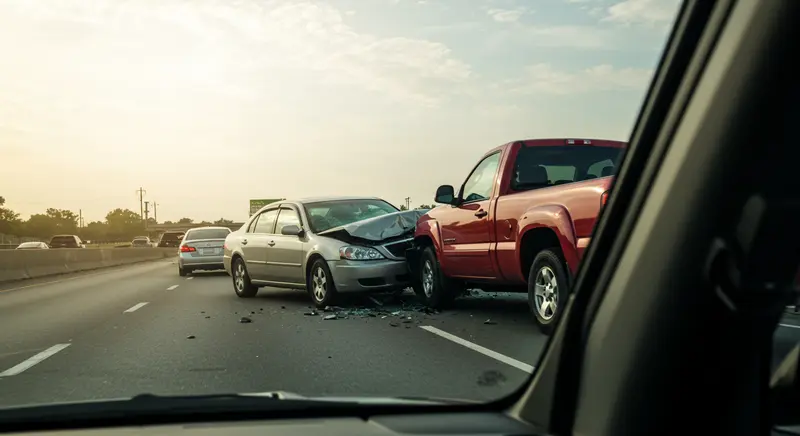
Accidents that occur during lane changes highlight the importance of responsible driving practices. Drivers must ensure they have sufficient space and visibility before making such maneuvers. Understanding the rules of the road can help clarify liability when incidents occur.
This topic is relevant for any motorist, as lane change accidents can involve significant legal implications and financial consequences. Exploring the factors that impact fault assessment provides valuable insights for drivers to navigate these situations more effectively.
Understanding Lane Changing Regulations
Lane changing requires adherence to specific regulations that govern driver responsibilities. These regulations are crucial in determining fault in an accident. A clear understanding of these rules can aid in navigating legal discussions following an incident.
Determining Liability in Lane Changing Accidents
Liability in lane changing accidents often hinges on a few key factors. A driver must signal their intent to change lanes and check blind spots. Failure to do so could indicate negligence.
Key considerations include:
- Signaling: Not using turn signals can lead to liability.
- Visibility: Drivers must ensure their blind spots are clear.
- Speed and distance: Changing lanes too quickly or closely can also result in fault.
In Milwaukee, car accident lawyers examine these elements to establish blame. They assess police reports, eyewitness accounts, and traffic laws to determine who is at fault.
Common Causes of Lane Changing Accidents
Several frequent factors contribute to lane changing accidents. Distracted driving, such as using a phone, plays a significant role in these incidents. Additionally, aggressive driving behavior can increase the likelihood of accidents.
Common causes include:
- Failure to signal: This reduces predictability for other drivers.
- Inadequate checking of mirrors and blind spots: Skipping this step can lead to side collisions.
- Road rage: Aggressive maneuvers often escalate into accidents.
Awareness of these causes is critical for drivers. It informs safer practices and can be pivotal in legal cases.
The Role of Evidence in Lane Change Collisions
Evidence significantly influences the assessment of fault in lane change collisions. It provides critical insights into the circumstances surrounding the accident, determining liability for damages and injuries.
Types of Evidence Used in Accidents
Various forms of evidence can be crucial in establishing fault during lane change accidents. Witness statements are often valuable, as they can provide impartial viewpoints on the sequence of events.
Photographic evidence is equally important. Pictures of the scene, vehicle damage, and road conditions can clarify how the accident occurred. Additionally, police reports contribute to understanding the incident. These reports typically include statements from the involved parties and observations from law enforcement.
Surveillance footage from nearby businesses or traffic cameras may also offer visual confirmation of the events leading up to the collision. Lastly, vehicle data such as dashcam recordings can provide real-time insights into driver behavior at the moment of the accident.
How Evidence Affects Fault Determination
The collection and presentation of evidence play a crucial role in fault determination. Each piece of evidence helps reconstruct the incident, identifying who changed lanes improperly or failed to yield.
When assessing liability, insurance companies and legal professionals, such as those at GTW Lawyers after a car accident, scrutinize all available evidence. Clear evidence can substantiate claims, leading to favorable outcomes in settlements or court rulings.
In cases with conflicting accounts, substantial evidence may tip the scale toward one party. For example, if a dashcam video shows a driver changing lanes without signaling, this may directly affect liability assessments. Solid evidence supports claims, helping victims recover damages and ensuring accountability for negligent behavior.
Legal Representation and Claims Process
Navigating the legal system after a car accident requires expertise and knowledge. Selecting an experienced car accident lawyer can greatly influence the outcome of a claim and ensure that all necessary procedures are followed correctly.
Selecting the Right Car Accident Lawyer
Choosing the right lawyer is crucial in maximizing the chances of a successful claim. Potential clients should look for attorneys specializing in car accidents, such as those from GTW Lawyers.
Key factors to consider include:
- Experience: Look for a lawyer with a strong track record in handling similar cases.
- Local Knowledge: Attorneys in specific areas, like Milwaukee, understand local laws and regulations, which can be beneficial.
- Communication: Choose someone who communicates clearly, ensuring understanding throughout the claim process.
- Fees: Understand the fee structure—some work on a contingency basis, meaning they only get paid if a settlement is achieved.
Steps to Filing an Accident Claim
Filing an accident claim involves several important steps. The process can vary by state but generally includes the following:
- Document the Accident: Collect evidence, including photos, witness statements, and police reports.
- Notify Insurance Companies: Inform both parties’ insurance companies about the accident as soon as possible.
- File a Claim: Complete and submit the necessary paperwork for the claim. A lawyer can assist in properly drafting these documents.
- Negotiation: Engage in negotiations with the insurance company for fair compensation. Experienced lawyers can advocate for the client’s interests effectively.
- Litigation (if necessary): If a settlement isn’t reached, the case may go to court. A skilled attorney will prepare to present the case before a judge.
Each of these steps is critical in ensuring that the claim process is thorough and maximizes the possible compensation.
In summary, determining fault in a lane change accident often depends on several factors, including traffic laws, driver actions, and road conditions. Typically, the driver changing lanes must ensure it’s safe to do so, signaling appropriately and checking mirrors and blind spots. If another vehicle is struck during this maneuver, the lane-changing driver may be at fault. However, if the other driver was speeding or not paying attention, they could share responsibility. Each case requires careful examination of the specific circumstances.
