
What Is Considered as Negligence by Mechanics and Auto Repair Shops?
When a car owner brings their vehicle to an auto repair shop, it is totally based on the trust they keep in the mechanic. They diagnose issues and ensure that the vehicle is safe for operation. If not, they carry out repairs in accordance with industry standards. When a mechanic or repair shop fails to uphold this standard of care, which leads to an accident, that is legally defined as negligence.
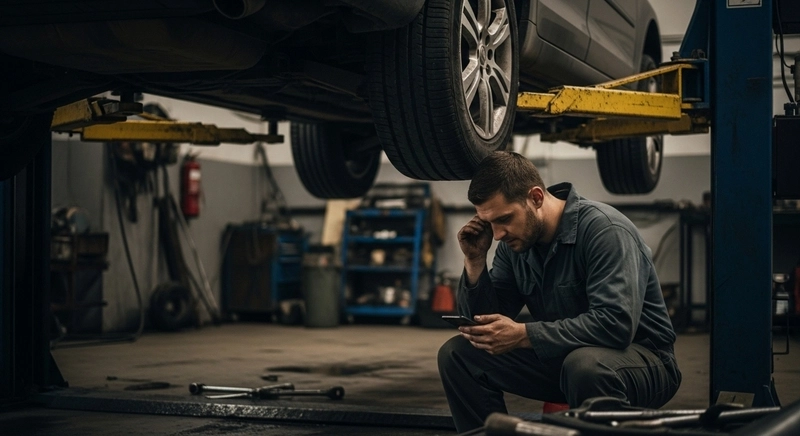
One can seek compensation for damages that are caused by mechanics or repair shops. In many cases negligence comes from substandard workmanship or violations of consumer protection laws.
The Different Components of Negligence in Auto Repair
There are four key elements that must be proven to establish negligence:
- Duty of Care: Mechanics owe a duty of care to their customers. This means they have to perform repairs with a high level of care and attention. Repair shops must correctly diagnose problems. They should use the right parts and guarantee that the vehicle is safe to drive after the repair.
- Breach of Duty: When the mechanic fails to meet those standards, it is considered a breach of duty. This might include negligent acts or mistakes. Expert testimony is frequently used by courts to assess if the work was not done correctly.
- Causation: Causations such as improper brake installation can lead to a deadly accident. Causation links the breach directly to the harm suffered.
- Damages: Repair expenses, medical bills, or a decline in the value of a vehicle are referred to as damages. These components serve as the cornerstone for holding repair companies responsible.
Common Examples of Negligence
Auto repair negligence usually happens due to haste or cost-cutting tactics. Here are some common examples.
- Incomplete Repairs: A mechanic might fail to fully diagnose the issues, such as not replacing all the worn-out parts in a brake system. A vehicle’s safety could be at risk if the mechanic installs the incorrect replacement parts.
- Damage to the vehicle: A mechanic can unknowingly damage other parts of the vehicle while fixing the suspension or leaving tools inside the engine compartment.
- Unnecessary Repairs: A repair shop could insist on doing unnecessary repairs to your vehicle. They may advise you to replace the functional part in order to increase the bill.
- Failure to Provide Accurate Estimate: Repair shops may trick you by providing a wrong estimation. Charging more than the agreed price can lead to breach of contract.
Consequences of the Negligence
Negligence has consequences that are beyond small inconveniences. Poor repairs may result in incidents that can cause injuries or even death. A car may not stop at a traffic signal if the mechanic installs the wrong brake pads, which could lead to an accident. In these situations, the shop can be held negligent.
Most of the disputes are settled peacefully. In extreme circumstances, like billing for work that has not been completed, it may lead to criminal penalties.
Proving and Pursuing a Negligence Claim
Proving negligence requires strong evidence. Try documenting things like written estimates of the repair, keeping old parts, and photos of the vehicle before and after repair. You can also file a police report and independent inspection if an accident occurs. Hiring a consumer protection lawyer is highly preferable. They can navigate complex causation arguments and negotiate with insurance companies.
General Tips to Prevent This Negligence
- Choose a shop that has a good reputation and provides quality work.
- Explain your car’s problem clearly, instead of asking the mechanic or the shop to diagnose it.
- Get the correct invoice for the work performed, the parts used, and the total cost.
Key Takeaways
- Accidents could happen by negligence of the mechanic or auto repair shops.
- A mechanic may fail to diagnose the problem and may do an unwanted repair.
- Another cause for accidents is incomplete repairs done by repair shops.
- One can seek compensation for the damages that are caused by mechanics or repair shops.
- You can prevent this by choosing a reputable repair shop in your area.
