
Why Early Medical Documentation Is Your Strongest Ally After a Car Accident
After a crash, it is easy to brush off pain or skip a doctor’s visit, but those first medical records can make all the difference. They protect your health, give you proof of your injuries, and help if you need to file a claim. A Virginia car accident attorney will tell you that early medical documentation is one of the strongest tools you have for both recovery and protecting your rights. By acting quickly, you not only give yourself the best chance to heal but also build a solid foundation if legal or insurance issues come up later.
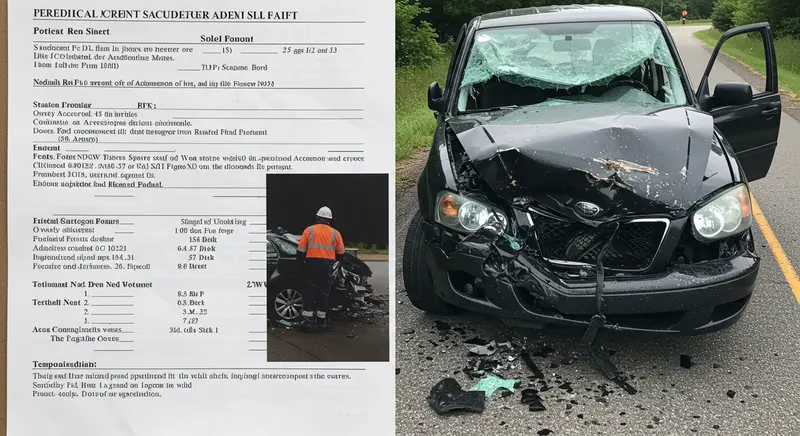
Why Seeing a Doctor Right Away Matters After a Car Crash
If you’ve been in a car accident, one of the best things you can do for yourself is to see a doctor right away. Quick care isn’t just about starting treatment. It also creates a clear record that ties your injuries to the crash. In Virginia, where both your health and your legal rights are on the line, that first check-up can make a big difference.
The Adrenaline Effect: Why You Might Feel “Fine” at First
Right after a crash, your body is in overdrive. Adrenaline kicks in and makes you feel alert, maybe even stronger than usual. The problem is, it can also hide pain. You might walk away thinking you’re fine, only to wake up hours later with pain that will not go away.
Some of the most dangerous injuries, like internal bleeding or soft tissue damage, do not show up right away. The longer you wait, the harder they can be to treat. Getting checked early gives doctors a chance to find and handle problems before they get worse.
Watch for Symptoms That Show Up Later
Not every injury makes itself known at the crash site. Whiplash, concussions, and back issues often show up a day or two later. Maybe you notice a stiff neck, a pounding headache, or tingling in your arms. Even a mild symptom can be a warning sign of something serious.
By seeing a doctor early, you not only protect your health. You also create proof that links your injuries to the accident. That record can be important in Virginia’s fault-based insurance system if you need to file a claim.
Stopping Small Problems From Becoming Big Ones
A sore muscle might not seem like a big deal, but left untreated, it can turn into long-term pain or limit how you move. The sooner you get treatment, the better your chances of avoiding lasting problems.
It can also save you money and time down the road. If you delay care, recovery might take longer and cost more. And while Virginia law does not set a deadline for getting medical attention, insurance companies may use delays as an excuse to question your claim. Acting fast protects both your health and your case.
Finding Hidden Injuries With Early Doctor Visits
Not every injury after a car accident shows up right away. You may feel fine at first, but that does not always mean you are in the clear. A doctor’s visit and the right tests can uncover problems you cannot see or feel yet. Getting checked early not only helps you start treatment, it also creates a clear record that connects your injuries to the crash.
Common Internal Injuries You Can’t See Right Away
Some of the most dangerous injuries are the ones hiding inside your body. Internal bleeding, organ damage, or chest trauma can stay quiet at first. What feels like a small bruise could actually be a more serious issue. For example, a hit to the chest might later turn into a lung injury if it goes untreated.
If you begin to feel dizzy, short of breath, or notice stomach pain you cannot explain, those may be warning signs. These symptoms do not always appear right after the crash. That is why doctors often run tests early on. These examinations not only protect your health but also create a medical record that ties your condition directly to the accident. This can be important if you need to make a claim.
Why X-rays, MRIs, and Other Tests Matter
Some injuries cannot be spotted with a quick look or a basic exam. X-rays, MRIs, and CT scans give doctors a closer view. An X-ray can show a broken bone, while an MRI can reveal damage to muscles, ligaments, or discs in your back.
If you skip these tests, a hidden problem could slip through the cracks. A herniated disc, for instance, might not hurt right away but can turn into a long-term issue later.
Spotting Concussions and Soft Tissue Injuries Early
Even a slow crash can leave you with a concussion or soft tissue damage. You do not always need to hit your head to suffer a brain injury. Signs like headaches, nausea, or memory trouble can take hours or even days to show up. That is why doctors often do simple brain function checks, and sometimes imaging, to rule out hidden injuries.
Soft tissue injuries like whiplash, sprains, or strains are also very common. At first, the pain may feel mild, but without care, these issues can linger and grow worse. Seeing a doctor early makes recovery easier and lowers the chance of chronic pain. It also builds the paper trail you may need if questions about fault or claims come up later.
How Consistent Medical Records Protect Your Health and Future
When your records are up to date, your doctor can see how you are healing and decide what to do next. If your pain is not improving, your file gives support for a referral to a specialist, such as a spine doctor or pain clinic.
Without clear notes in your records, your doctor may not have enough information to move forward. That can slow down your recovery or keep some injuries from being treated at all. Insurance companies also look for this proof before they approve more care. Having detailed records can save you from delays and help you get the treatment you need.
Catching Long-Term Problems Early
Some injuries take months to fully show up. Chronic pain, nerve issues, or weakness can appear long after the crash. Regular checkups and updated records help doctors connect new symptoms back to the accident.
This is important for both your health and your legal rights. Virginia gives you two years to file a personal injury lawsuit. If problems come up later, consistent records showing your care and symptoms can make your case stronger.
Building a Strong Medical History for the Future
Your medical history tells the story of your recovery. If you change doctors or move, your records give new providers a clear picture of what has already been done and what problems still remain.
In parts of Virginia where it may be harder to see a doctor often, a full medical file makes care smoother. It helps avoid repeated or unnecessary treatments, saves time and money, and supports better long-term health.
Avoiding the Pitfalls of Delayed Medical Care
Putting off a doctor visit after a car accident can do more harm than good. Not only can your injuries get worse, but you may also face more trouble later with treatment or an insurance claim. Seeing a doctor early makes it easier to catch problems and start healing the right way.
When Small Injuries Turn Into Big Problems
Some injuries seem minor at first but can become serious if left alone. Whiplash is a good example. At first, it may feel like a little stiffness in your neck. But without treatment, it can turn into lasting pain or limited movement. Internal injuries like bleeding or organ damage are even more dangerous. You may not notice them at first, but they can become life-threatening if missed.
Doctors rely on early signs to figure out what is going on. If you wait too long, it becomes harder to diagnose your condition. This can lead to problems like swelling, scar tissue, or even long-term disability.
Why Treatment Gets Harder the Longer You Wait
Delaying care gives your body time to adjust in ways that can make things worse. For example, if you avoid using an injured leg, you may put extra stress on your back or hips. That creates new pain and slows your recovery.
In Virginia, doctors and therapists depend on your early medical information to create a care plan that works for you. Without it, your recovery may take longer and might even require more invasive treatment later.
Losing Sight of the Real Cause
The more time that passes, the harder it becomes to know how the crash truly affected your body. Symptoms that show up late may be mistaken for an old injury or simple soreness. This can make it harder for your doctor to give you the right care.
A clear timeline of your symptoms is key. Without it, injuries may be overlooked, and your treatment may fall short. It can also weaken your claim if you need to seek compensation.
Waiting to see a doctor after a car accident can bring bigger health problems, longer recovery, and questions about what really caused your injuries. Early medical care not only helps your body heal but also creates strong records. In Virginia, where contributory negligence rules apply, having that record can be the difference between winning or losing a claim. Schedule a medical check as soon as possible after an accident, even if you think you are fine.
Protecting Your Health and Your Rights
Taking care of your health after a car accident starts with getting checked right away and keeping good records. These steps may feel simple, but they can shape both your recovery and the strength of your case. If you are unsure where to start, a Northern Virginia car accident lawyer can guide you through the process and help make sure your medical documentation supports your case. Your health and your future matter, so do not wait, get the care you need today.
