
7 Mistakes That Can Quietly Damage a Car Accident Claim
Car accident claims rarely fall apart because of one giant mistake.
Most problems begin through missed appointments, rushed conversations, forgotten evidence, or simple actions that seem harmless at first. Insurance companies study every detail carefully, and even small inconsistencies can slowly weaken a strong case. A person may believe the truth alone is enough, but paperwork, timing, and behavior often shape how a claim is viewed. Many people seeking compensation for auto accident injuries do not realize how quickly avoidable mistakes can reduce the value of their case.
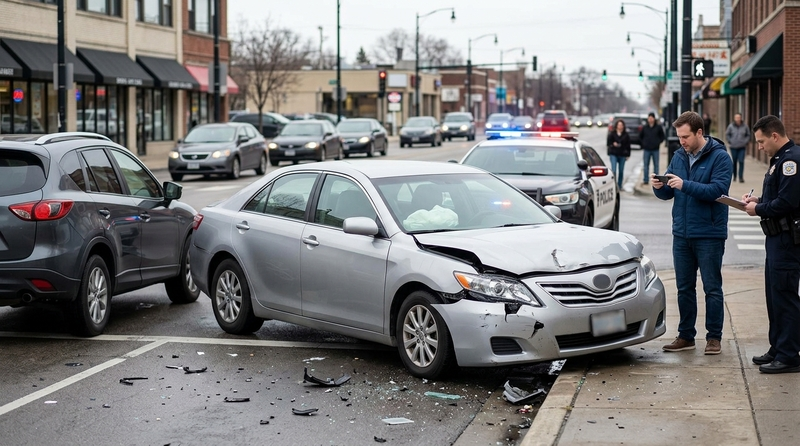
The pressure after a crash feels heavy, so understanding these hidden problems early can make the road ahead less stressful.
Mistake 1: Waiting Too Long to Get Medical Attention
Pain does not always appear immediately after a collision. Some injuries grow worse slowly over several days, especially neck, back, or head injuries. Many people decide to wait before visiting a doctor.
That delay often creates problems later. Insurance companies may question whether the injuries truly came from the accident. Medical records help connect physical pain directly to the crash, and missing records can weaken that connection. Quick treatment also helps create a clearer timeline, which becomes important later.
Mistake 2: Saying Too Much to Insurance Adjusters
Insurance adjusters usually sound calm and friendly during early conversations. Many people speak too openly about the accident before understanding how their words may later be interpreted.
Simple phrases like “I feel okay” or “maybe I reacted too slowly” may later appear in reports during negotiations. Recorded statements can also create confusion if details change slightly later. Careful communication matters because even casual comments sometimes damage credibility during a claim review.
Mistake 3: Posting Accident Details on Social Media
Social media has become part of many accident investigations. Photos, comments, location tags, and videos may all be reviewed during a claim dispute. A harmless picture at dinner or a short vacation clip can suddenly create doubts about injury severity.
People often forget how quickly online activity spreads beyond close friends. Insurance investigators may compare social media content with medical reports and witness statements. Once something appears online, explaining it later becomes much harder than expected.
Mistake 4: Accepting the First Settlement Offer Too Quickly
Early settlement offers sometimes look attractive because medical bills and missed work create immediate pressure. Many injured drivers simply want the stress to end quickly and move on with their daily lives again.
The problem is that some injuries become more serious later. Physical therapy, follow-up treatment, and long recovery periods may increase costs far beyond the first estimate. Rushed settlements may leave people paying future expenses on their own. Reviewing the full impact of injuries before accepting an offer often protects long-term financial stability.
Mistake 5: Failing to Collect Strong Evidence Early
Accident scenes change quickly after police leave and damaged vehicles are removed. Missing evidence can weaken a claim even if the injuries are real and serious.
Important evidence often includes:
- Scene photographs
- Witness contact information
- Vehicle damage images
- Nearby surveillance footage
- Medical documentation
Strong evidence helps support timelines and strengthens negotiations later. Without clear proof, conflicting stories become harder to challenge.
Mistake 6: Ignoring Follow-Up Medical Care
Missing appointments or stopping treatment too early can create major problems during a claim review. Insurance companies often study medical patterns carefully because consistent treatment usually supports injury claims more strongly.
A gap in treatment may suggest that injuries improved faster than expected. Doctors also rely on follow-up visits to track recovery progress properly. Medical records become more reliable when treatment remains steady from beginning to end. People pursuing compensation for auto accident injuries sometimes underestimate how important these ongoing records become during negotiations.
Mistake 7: Underestimating How Fault Is Investigated
Fault investigations often become more detailed than people expect. Courts and insurance companies may examine speeding, distracted driving, traffic signals, road conditions, and driver reactions carefully.
Even small actions before the collision may affect settlement discussions. Accident reconstruction specialists sometimes review damage patterns and crash timelines to understand how the collision happened. Comparative fault rules may also reduce compensation if multiple drivers share responsibility for the crash.
Final Perspective
Strong car accident claims usually depend on consistency, timing, and careful documentation. Small mistakes may not seem dangerous at first, but they slowly create questions that insurance companies use during negotiations. Medical care, communication, evidence collection, and online activity all shape how a case is viewed. Serious injuries bring enough pressure without additional legal complications. Careful decisions after a crash can protect both credibility and financial recovery later. Those details influence settlements more than many people realize.
