
Understanding Personal Injury Claims After a Car Accident
Every year, thousands of individuals experience the devastating aftermath of car accidents. If you’ve recently been involved in an unfortunate incident and are contemplating a Personal Injury Claim, this guide is tailored for you.
Understanding the intricacies of the claims process can pave the way for recovering not only your medical expenses but also compensation for pain and suffering, lost wages, and more.
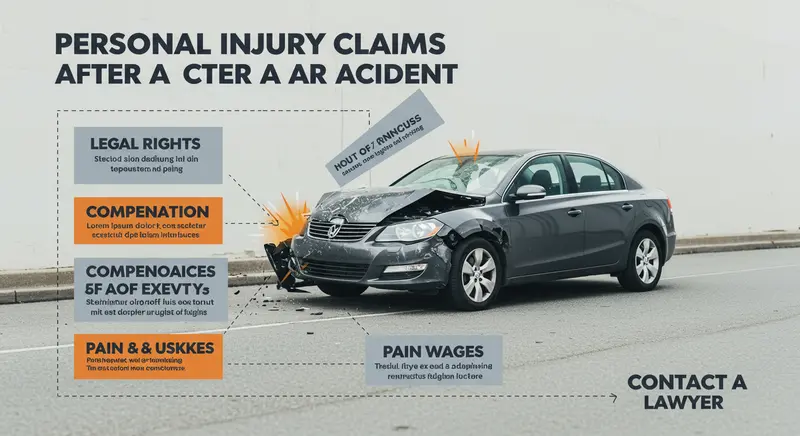
What is a Personal Injury Claim?
A personal injury claim arises when an individual suffers harm due to the negligence of another party. In the context of car accidents, this typically involves claims against the other driver’s insurance. The goal is to hold the negligent party accountable for their actions and seek rightful compensation.
The Process of Filing a Personal Injury Claim
Dealing with a personal injury claim can feel confusing, especially after being in an accident. But there are some clear steps to help.
First, talk to a lawyer who knows how to handle these cases. They can guide you through everything. Next, gather important things like police reports, doctor’s notes, and names of people who saw the accident.
Tell your insurance company what happened as soon as you can. Then, fill out and send in the needed papers to make your claim.
In many cases, people agree on a payment without going to court. These steps can make a hard situation a little easier.
Working with a knowledgeable attorney is particularly important in cities like Seattle. This is where state laws and local regulations may impact your claim.
What Evidence is Necessary?
To prove your side of the story after an accident, you need strong evidence. This can include pictures of the accident and any damage to the vehicles, doctor’s records that show your injuries and treatment, and statements from people who saw what happened. It also helps to have any police reports if someone broke a traffic rule.
Sometimes, experts can also explain what happened. All of this can make your case stronger and help others understand what really happened.
Understanding the Legal Nuances
Every state has different laws governing personal injury claims. For instance, some states operate on a comparative negligence model. This means compensation can be reduced based on the degree of fault.
Familiarize yourself with local laws, especially if you are in an area with unique regulations which may affect your claim.
The Importance of Timely Action
From the moment of an accident, time is not on your side. Most states enforce what is known as a statute of limitations. This limits the time you have to file a claim.
This duration can vary from one to six years, depending on the state. Thus, it’s vital to initiate your claim as soon as possible to safeguard your rights.
Steps to Recover and Heal
Managing your recovery entails more than just legal procedures. It’s crucial to focus on your health as well. Here are several tips:
- Seek immediate medical attention
- Follow through with treatment plans
- Stay organized with documentation
Taking Control of Your Future
Many individuals going through the aftermath of a car accident feel overwhelmed. However, understanding the various facets of Personal Injury Claims is empowering. By being informed about evidence requirements, legal processes, and the importance of seeking help, you can take the next steps towards recovery.
Remember, you are not alone in this journey.
