
6 Common Porsche Maintenance Mistakes You Don’t Want to Make!
Owning a Porsche is a huge luxury. With such an investment, surely you would want to do all you can to ensure it’s well looked after, not to mention running at an optimal level, too? Well, the key to this is good maintenance. Unfortunately, not every Porsche owner has the same opinion. As a result, they make a few mistakes that will cost them later down the line. To help you avoid making the same mistakes, here they are.
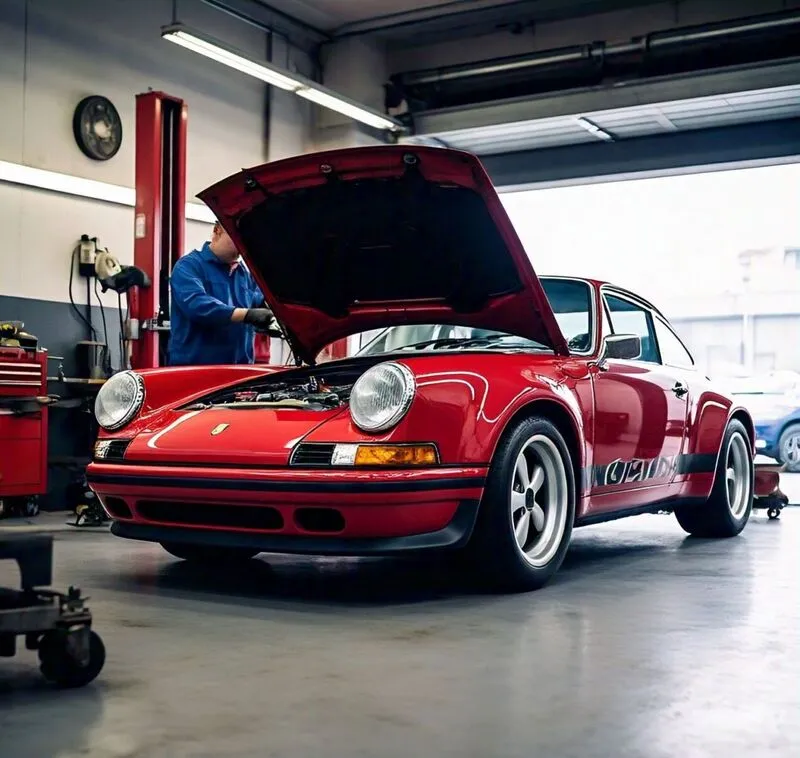
1. Not changing the oil and filters regularly
At the heart of any luxury vehicle is a healthy, well-lubricated engine. If you want your Porsche to run smoothly, then regular oil changes aren’t only considered routine maintenance but a necessary step to ensuring the overall health of your car.
In an engine, oil acts as a lubricant that protects its most important parts from wear and tear caused by heat and the friction between parts that rub against each other. It also acts as a cleaner, catching debris and dirt around the engine. Unfortunately, as it’s used, oil tends to break down and become clogged and less effective as a lubricant. This can cause several issues in your engine.
Considering your investment by purchasing a Porsche, having it degrade due to not changing your oil is a bad idea. According to Porsche, their vehicles need to have a service every 16,000km on average. During this service the oil would need to be changed and a new oil filter put on the car too.
2. Ignoring subtle electrical issues
As you well know, Porsche is known for its jaw-dropping performance and luxury features, not to mention how well it integrated technology into its cars. However, where there are more electrical components, there’s more to go wrong. While the chances of your Porsche struggling with an electrical issue aren’t high, it’s still possible.
A common mistake many Porsche owners make is noticing a small electrical fault with their car but doing nothing about it. In some cases, electrical faults might be small and insignificant. But, in others, it might be a sign of a greater underlying issue or an electrical fault that could get progressively worse if left. So, if you notice an electrical issue with your Porsche, it is best to take it in to get checked.
3. Neglecting fluid checks
While Porsches are on a whole other level in terms of quality and luxury compared to your standard economical vehicles, they’re still cars and require the usual fluids essential to keeping their parts running smoothly. Fluids like transmission, brake, power steering, coolant, and water are all equally important and help your car run efficiently. If any of these fluids is lacking or depleted, it could cause several issues with your car.
For example, if your coolant level is low, your Posrche might overheat. Or, if your brake fluid leaks, you may find that your brakes don’t respond as well as they should. Both examples could pose a risk to your car’s condition, so it’s always best to keep fluids at the recommended levels and to check them regularly to see if there are any fluctuations.
4. Not following the servicing schedule set by Porsche
Porsche generally has a prepaid service plan that varies based on your choice. Depending on the plan you have, you’ll be required to take your car in for a regular service at 16,000 km. At this service, they do a full diagnostic test to inspect the car for any issues and make the basic changes needed in a service, like changing spark plugs, filters, and oil.
Whether you’re on a service plan or not, sticking to the recommended service intervals is the best way to ensure that your Porsche is well looked after and maintained. Likewise, when your Porsche receives its regular services, you’ll be able to fully enjoy its performance and avoid any other issues that may develop later on.
4. Taking your Porsche to a casual mechanic or working on it yourself
There are a lot of very capable mechanics out there, some of who are also extremely trustworthy and proficient. That said, to get the best service, we still encourage you to take your Porsche to a certified Porsche mechanic or independent Porsche servicing centre.
We suggest this because Porsche technicians are uniquely qualified to work on Porsche vehicles. They know how they’re built, why certain issues present themselves and the fastest way to fix them. With a Porsche mechanic, you’re getting the same standard of service as you notice in the car’s performance. Or at least that’s the goal.
5. Using aftermarket parts
Last but not least, some people opt for after-market spares for their Porsche instead of going for original parts. Now, as a whole, we don’t have an issue with after-market parts for standard cars. But, for a high-performance vehicle like a Porsche, adding after-market parts is asking for trouble.
High-performance cars put more strain on the components. Thus, their manufacturers design and manufacture parts specifically capable of handling the strain put on them. When you buy after-market parts, you don’t know the quality, consistency, durability, and overall performance of those parts. It could wear down faster, causing damage to other parts in your car or simply leaving you needing to spend extra on the original part anyway. So, if you have a Porsche, don’t put after-market parts in it.
Final Thoughts
As a Porsche owner, surely you understand that the best way to keep your Porsche in optimal condition is to keep up-to-date with its maintenance and to address any issues it may have promptly before they get progressively worse. Consider the mistakes above that other Porsche owners have made and put the necessary actions into place to avoid them. Trust us; this will ensure your Porsche lasts longer and smoother.
