
An In-Depth Guide to Quality Tires and Rims for Optimal Vehicle Performance
High-quality tires and rims are indispensable for achieving optimal vehicle performance, ensuring safety, stability, and efficiency. Tires provide crucial traction, handling, and braking capabilities, adapting to various terrains and weather conditions. Their construction, including tread patterns and material composition, directly influences fuel efficiency and overall driving comfort.
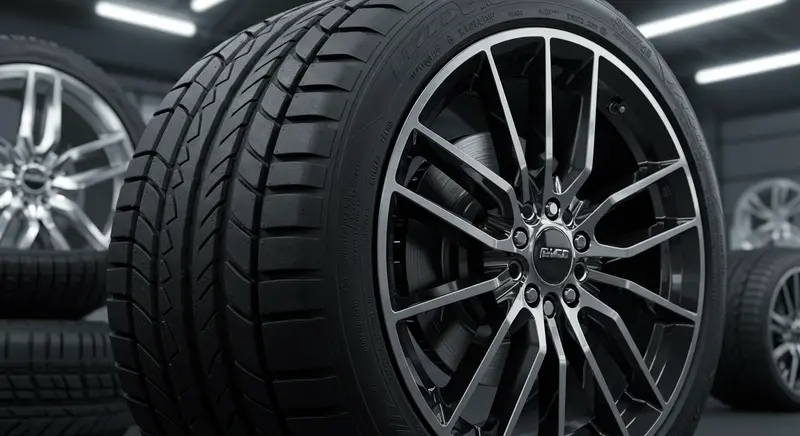
Rims, which support and maintain tire shape, contribute to both functionality and aesthetics. Precision-engineered rims ensure even load distribution and structural integrity, minimizing wear on tires and suspension components. Materials such as aluminum alloys and steel offer durability and strength under diverse operational demands.
Routine inspections and proper maintenance of tires and rims are essential for prolonging their service life. Prioritizing quality enhances overall performance and ensures reliability in demanding driving environments.
Types of Tires for Diverse Applications
Tires and rims are tailored for diverse applications, offering specialized features to suit varying operational demands. All-season tires, designed for year-round usability, provide balanced performance in moderate weather conditions. Their versatility makes them suitable for daily driving across diverse terrains.
Winter tires, equipped with deeper treads and softer rubber compounds, ensure optimal traction on icy or snowy surfaces. Conversely, summer tires enhance grip and handling in warm temperatures, delivering superior performance for high-speed driving. Off-road tires, engineered with reinforced sidewalls and aggressive tread patterns, excel in challenging terrains such as mud or gravel.
Matching appropriate tires and rims to specific applications is essential for optimizing performance, safety, and longevity across different driving environments and conditions.
Tire Tread Patterns and Their Significance
Tire tread patterns play a pivotal role in determining the performance and safety of vehicles across various driving conditions. Symmetrical tread patterns, known for their uniform design, ensure even wear and a smooth ride, making them suitable for everyday use. Asymmetrical patterns combine distinct tread zones, enhancing grip and stability during cornering and on wet surfaces.
Directional tread patterns, often found in high-performance tires, excel in water evacuation, reducing the risk of hydroplaning and improving traction on wet roads. For off-road applications, deep and aggressive tread designs provide superior grip on challenging terrains, such as mud or gravel.
Selecting the appropriate tire tread patterns in conjunction with quality tires and rims ensures optimal performance, handling, and safety in diverse driving environments.
Material Composition of Tires
The material composition of tires is a key factor influencing their durability, performance, and safety. Tires are predominantly crafted from a blend of natural and synthetic rubbers, which provide the necessary elasticity and resistance to wear. These rubbers are reinforced with materials such as carbon black and silica, enhancing their strength, heat dissipation, and grip under varying conditions.
Additionally, steel wires and textile cords, embedded within the tire structure, fortify its framework, offering superior load-bearing capacity and maintaining structural integrity. Chemical additives, including antioxidants and antiozonants, are incorporated to prevent degradation caused by exposure to sunlight, heat, and ozone.
This meticulous combination of materials ensures that tires are equipped to withstand diverse operational demands, delivering reliability, efficiency, and prolonged service life.
Rim Designs and Their Aesthetic and Functional Roles
Rim designs play a dual role in enhancing both the aesthetics and functionality of vehicles, contributing significantly to their overall appeal and performance. Aesthetically, rims are crafted in diverse styles, finishes, and sizes, allowing users to customize the appearance of their vehicles. From polished alloys to matte-coated designs, these choices elevate the visual impact, reflecting individual preferences and trends.
Functionally, rims are engineered to provide structural support for tires, ensuring stability, load distribution, and smooth motion. Advanced materials, such as aluminum alloys and steel, enhance durability while reducing weight, improving fuel efficiency and handling. Precision engineering ensures compatibility with varied driving conditions, optimizing safety and reliability.
Selecting high-quality rim designs is crucial for achieving a balance between visual distinction and operational efficiency.
Compatibility Between Tires and Rims
Compatibility between tires and rims is a critical factor in ensuring vehicle safety, performance, and longevity. Proper alignment between these components guarantees structural integrity, efficient load distribution, and smooth operation. Selecting the correct rim size for a tire is essential, as discrepancies can lead to compromised handling, uneven wear, and potential mechanical failures.
Tires and rims must also complement each other in terms of width, diameter, and bead seating to achieve a secure fit. Advanced engineering ensures that the materials and designs of rims are capable of supporting the specific requirements of the tires, optimizing performance under diverse conditions.
Investing in compatible and high-quality tires and rims not only enhances operational reliability but also promotes extended service life and overall efficiency. Regular inspections are imperative.
Selecting the Right Tires and Rims for Driving Conditions
Selecting appropriate tires and rims for specific driving conditions is crucial for enhancing safety, performance, and efficiency. For winter conditions, tires with deeper tread patterns and softer rubber compounds provide optimal traction on icy or snowy surfaces, ensuring stability. In contrast, summer tires excel in warm weather, offering superior grip and handling at higher speeds, supported by lightweight rims to reduce rotational mass.
All-terrain tires, paired with durable and versatile rims, are ideal for off-road applications, ensuring resilience against uneven terrains. Additionally, for vehicles operating under heavy loads, reinforced tires and rims are recommended to maintain structural integrity and balance.
Matching tires and rims to the driving environment ensures longevity, operational reliability, and overall vehicular performance, making them indispensable for diverse conditions.
The Impact of Tires and Rims on Vehicle Efficiency
Tires and rims significantly influence vehicle efficiency, affecting fuel consumption, handling, and overall performance. Properly designed tires with optimized tread patterns and rolling resistance reduce energy expenditure, enhancing fuel efficiency while ensuring safety and stability across varying terrains. Material composition, such as advanced rubber compounds, further contributes to minimizing wear and maintaining performance.
24 inch rims set of 4 complement tire functionality by providing essential structural support and reducing weight. Lightweight rims, crafted from materials like aluminum alloys, improve aerodynamics and decrease rotational inertia, allowing for smoother motion and better fuel economy. Compatibility between tires and rims is crucial to achieving these benefits.
Prioritizing high-quality tires and rims ensures enhanced efficiency, operational reliability, and longevity, making them indispensable components in promoting sustainable vehicular performance.
Conclusion
In conclusion, the integration of high-quality components in vehicular systems is vital for achieving safety, durability, and optimal performance. From tires and rims to suspension and axle systems, each element is meticulously designed to cater to specific applications, ensuring efficiency and adaptability under diverse operational conditions. These components collectively contribute to stability, load management, and driver comfort, underscoring their significance in modern automotive engineering.
Advancements in materials, manufacturing techniques, and technology have further enhanced the reliability and functionality of these systems, promoting superior vehicle operation. Regular maintenance and inspections remain indispensable in preserving their functionality and extending service life, thus preventing costly repairs and ensuring consistent performance.
Prioritizing innovation and quality in vehicle components enables users to navigate varied challenges with confidence, fostering a seamless driving experience across industries and applications. This comprehensive approach ultimately underscores the importance of reliable automotive solutions in meeting both current and future demands.
