
The Role of Trailers in Road Safety and Accident Prevention
When people think about road safety, they usually focus on speed, distracted driving, weather, or driver fatigue. Those issues matter, but trailers also play a major role in accident prevention. A trailer affects braking distance, turning control, cargo stability, visibility, and rollover risk. If a trailer is poorly maintained, has poor weight distribution, or has weak securement, it can turn an ordinary trip into a serious crash.
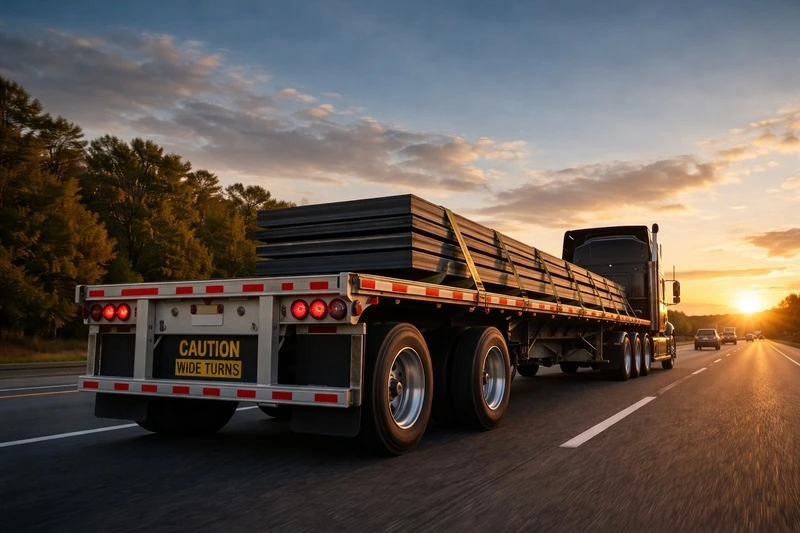
For commercial vehicles, the trailer does much more than carry freight. It is a critical part of the overall safety system. Drivers, carriers, maintenance teams, and manufacturers all influence how safely that system performs on the road. When they take trailer safety seriously, they reduce crash risk for truck drivers, passenger vehicles, cyclists, and pedestrians.
Why Trailer Safety Matters More Than Many Drivers Think
A trailer changes how a truck handles in almost every traffic situation. It affects how the vehicle accelerates, slows down, follows through curves, and responds in an emergency. A loaded trailer can push a tractor forward during braking, pull it off line during sudden movement, or increase sway during high winds. That means trailer condition and setup directly affect road safety.
This issue becomes even more important in heavy haul, flatbed, and long-distance operations. These trailers often carry oversized, heavy, or uneven freight. If the cargo shifts or the trailer does not support the load correctly, the risk rises fast. A driver may lose control during a lane change, on a downhill grade, or while avoiding another vehicle. In many truck accident cases, the problem does not start with reckless driving alone. It starts with equipment, loading, or maintenance failures.
Load Distribution Shapes Stability and Control
Weight distribution stands at the center of trailer safety. A trailer must carry cargo in a way that keeps the vehicle balanced from front to rear and side to side. If too much weight sits on one axle or one side, the trailer can lean, fishtail, or overload key components. That affects steering, tire wear, braking, and rollover resistance.
Uneven weight can also reduce traction where the driver needs it most. During a hard stop, the vehicle may not stay straight. During a curve, the trailer may pull harder than expected. During a sudden correction, the load may shift, making the truck unstable.
Flatbed operators know this risk well. They handle steel, lumber, machinery, and other freight that does not fit inside enclosed walls. That is why trailer design matters. Fleets that want strong flatbeds and better long-term performance often look at Reitnouer Trailers because equipment quality affects cargo control, structural reliability, and overall highway safety.
Cargo Securement Prevents Serious Highway Accidents
A safe trailer needs more than a strong frame. It also needs proper cargo securement. Chains, straps, binders, anchor points, edge protection, and deck condition all matter. If any part of that system fails, cargo can move, fall, or change the trailer’s center of gravity. That puts the truck driver and everyone nearby at risk.
Cargo shifts cause many dangerous situations. A sudden shift can throw off the driver’s control in traffic. A loose load can spill into other lanes. Even small movement can change braking behavior and put extra strain on tires and suspension. Securement failures often happen because someone rushed the job, ignored wear, or used the wrong equipment for the freight.
Companies that train drivers well and enforce securement standards reduce these risks. They treat loading as a safety process, not just a shipping step.
Trailer Brakes and Tires Protect Everyone on the Road
Many drivers first think of the tractor when considering stopping power. In reality, trailer brakes do a large share of the work. If trailer brakes respond unevenly or fail to engage properly, the vehicle can jackknife, pull to one side, or take longer to stop. That danger grows during rain, mountain driving, and heavy traffic.
Tires matter just as much. A trailer tire failure can send debris into traffic, block a lane, or cause a sudden loss of stability. Worn tread, low pressure, misalignment, and heat buildup all increase the chance of a blowout. One bad tire can create a chain reaction that affects the full combination vehicle.
Strong maintenance programs help prevent these failures. Drivers should inspect tires, brakes, air lines, hubs, and wheels before every trip. Carriers should also schedule deeper inspections and replace worn parts before they create danger on the highway.
Trailer Visibility Helps Prevent Collisions
A trailer must stay visible in daylight, darkness, fog, and rain. Clear marker lights, brake lights, reflectors, and conspicuity tape help other drivers judge distance and movement. If a trailer has poor lighting or damaged reflective markings, nearby drivers may not notice it in time.
This problem often shows up during lane changes, merges, rear-end approaches, and wide turns. Passenger vehicles can misread the size or position of a trailer, especially at night. A clean, visible, properly marked trailer gives everyone more time to react. That extra reaction time can prevent a crash.
Visibility also includes the trailer’s physical design. Size, shape, ground clearance, and side profile all affect how easily other drivers can see it and move around it safely.
The Right Trailer for the Right Job Improves Safety
Not every trailer fits every load. A company that uses the wrong trailer may struggle with balance, securement, axle placement, or deck length. That creates preventable risk before the trip even begins. The right equipment choice supports safe loading, smooth transport, and better control on the road.
For example, a lowboy may fit heavy machinery better than a standard flatbed. A step deck may handle taller freight more safely than a regular platform trailer. An aluminum trailer may reduce weight and improve payload efficiency, while still offering the strength the job demands. Smart fleets do not choose trailers based on price alone. They choose them based on safety, freight type, route demands, and long-term reliability.
Poor Trailer Maintenance Can Increase Legal Liability
Trailer safety also matters after a crash. When investigators review a truck accident, they often look at maintenance records, inspection history, cargo securement, and equipment condition. If they find worn brakes, bad tires, broken lights, frame issues, or obvious neglect, that evidence can shape the legal case.
In injury claims, the trailer’s condition can help explain why the crash happened and who should bear responsibility. A carrier that ignores inspections or pushes unsafe equipment onto the road may face serious legal exposure. In that sense, trailer safety protects more than freight and schedules. It protects lives, reputations, and legal standing.
This is especially important for law firms, injury victims, and investigators who handle commercial vehicle accidents. Understanding the trailer’s role can reveal facts that people miss during the early stages of a claim.
Road Safety Depends on More Than the Driver
Drivers play a huge role in road safety, but they cannot overcome every equipment problem. A skilled driver still needs a stable trailer, sound brakes, good tires, proper lighting, and a secure load. When companies support drivers with quality equipment and clear safety standards, they create better outcomes on the road.
That is why trailer safety should never sit in the background. It deserves the same attention as driver training, route planning, and compliance. A trailer is not just a box, platform, or frame behind the truck. It is a major part of how the entire vehicle behaves in motion.
Conclusion
Trailers influence road safety in direct and measurable ways. They affect stability, braking, visibility, securement, and crash severity. When carriers choose the right trailer, inspect it often, and load it correctly, they reduce risk for everyone who shares the road.
For anyone involved in trucking, accident prevention, or commercial vehicle injury claims, trailer safety deserves serious attention. Many crashes begin with small problems that people overlook, such as poor balance, worn tires, weak brakes, or bad securement. Those problems grow fast at highway speed. Better trailer choices and better maintenance practices help prevent those risks from turning into injuries.
