
Should You Service Your BMW If You Don’t Drive It Often?
If you’re lucky enough to own a BMW that’s more weekend cruiser than weekday commuter, you may find yourself wondering if regular servicing is still necessary. After all, if it’s not racking up kilometres, it must be just fine sitting in the garage… right?
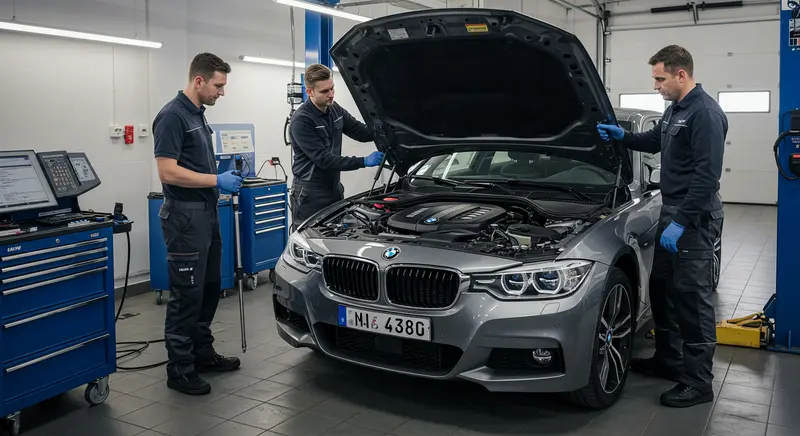
Well, not exactly.
Low-mileage driving might sound like a dream for car longevity, but in reality, it comes with its own unique set of maintenance challenges. Here are a few reasons why servicing your BMW is just as important when it’s not driven often.
Battery Drain
Modern BMWs are packed with electronics—everything from infotainment systems to passive keyless entry drains the battery even when the car’s parked. If the car isn’t started regularly, the battery can slowly discharge, leading to a frustrating dead battery or even damage over time. If your BMW sits idle often, you might like to consider using a battery maintainer or trickle charger between drives.
Fluids Can Degrade
Engine oil, brake fluid, and coolant don’t just age based on how many kilometres you’ve driven, they break down over time, too. Oil can absorb moisture, brake fluid can become contaminated, and coolant can lose its effectiveness. This degradation can lead to poor performance or even damage when you do eventually start the engine. As such, it’s important to regularly check and replace your fluids according to the manufacturer’s recommendations.
Tyres Can Develop Flat Spots
When a car remains stationary for long periods, the tyres bear the vehicle’s weight in one position, which can cause flat spots. These spots affect ride quality and can lead to premature wear. If the car is parked for more than a few weeks at a time, try moving it slightly. Another option is to slightly over inflate your tyres by a small amount (typically no more than an extra 10% of the recommended PSI) if you’re going to be leaving your car for a longer while. Just remember to check and adjust the tyre pressure before driving again.
Condensation and Corrosion
Less frequent driving can lead to a build-up of condensation in the exhaust system, and moisture in the air can find its way into various mechanical components. This creates ideal conditions for rust and corrosion, especially in parts like the brakes or exhaust. To prevent this, it’s recommended to take your car out for a longer drive at least once a week, allowing the exhaust system to heat up and evaporate any accumulated moisture. Additionally, keeping the interior of your car dry by using desiccant bags can help to prevent corrosion in electronic components.
Seals Can Dry Out
Like most cars, your BMW relies on a variety of rubber seals to keep fluids in and contaminants out. When a vehicle is left unused, these seals can dry out or become brittle, eventually leading to leaks or other mechanical problems. To help avoid this issue, consider applying a silicone-based protectant to your seals.
Your Service Schedule Is Still Time-Based
Even though you’re not racking up the kilometres, BMW’s recommended maintenance schedule often includes time-based intervals. Oil changes, inspections, and fluid flushes are typically required every 12–24 months (depending on your manufacturer’s specifications), regardless of mileage. This means that even if your BMW 1 Series isn’t a daily driver, it still needs attention to avoid deterioration. Neglecting service just because it sits idle can lead to expensive surprises when you do decide to hit the road.
Whether you’re holding on to your BMW for weekend drives, holidays, or the occasional cruise, it still needs routine care. A professional BMW service technician will understand the impact of low-mileage use and should tailor their inspection accordingly.
Treat your BMW with the same care you’d give it if it were clocking up the kilometres. That way, when you do want to take it out, it’ll be ready to perform like the luxury machine it was designed to be.
