
Uncovering the Truth in Sideswipe Semi Wrecks in Washington
Sideswipe accidents occur when the sides of two vehicles make contact while traveling in the same or opposite directions. Unlike head-on or rear-end collisions, sideswipe crashes involve vehicles scraping or colliding along their sides, often resulting from lane changes, merging, or drifting out of a lane. These accidents can happen when one driver fails to check blind spots, signals improperly, or loses control of their vehicle.
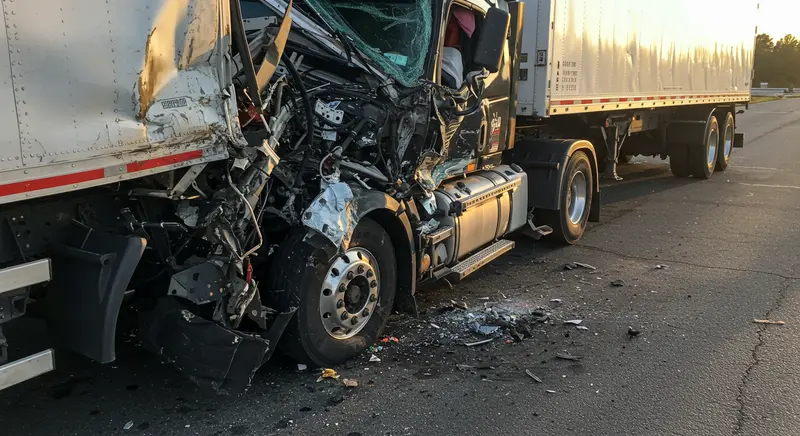
There are two main types of sideswipe accidents:
- Same-Direction Sideswipe: This happens when two vehicles traveling parallel in the same direction collide, often during lane changes or when one vehicle drifts out of its lane.
- Opposite-Direction Sideswipe: This occurs when vehicles traveling in opposite directions brush sides, sometimes due to one driver crossing the center line or veering off course.
Though sideswipe accidents may sometimes seem less severe than other collisions, they can still cause significant damage, injuries, and loss of control. Even at lower speeds, a sideswipe can lead to a driver losing control and crashing into other vehicles or objects.
Determining fault in sideswipe accidents typically involves examining which driver failed to maintain their lane or signaled improperly. Because these crashes often involve lane changes, the driver who initiated the maneuver without proper caution is usually found responsible.
Why Are Semi Trucks Particularly Likely to Be Involved in a Sideswipe Accident?
Semi trucks are particularly prone to sideswipe accidents due to several inherent factors related to their size, design, and operational challenges:
- Large Blind Spots: Semi trucks have extensive blind spots on both sides, especially on the right side, often called the “no-zone.” These blind spots make it difficult for truck drivers to see smaller vehicles traveling alongside them, increasing the risk of sideswipes during lane changes or merges.
- Wide Turns and Lane Usage: Due to their length and size, semi trucks require wide turns and often need to use more than one lane to maneuver safely. This can bring them dangerously close to other vehicles and increase the chance of side contact.
- Limited Maneuverability: Semi trucks cannot stop or swerve quickly due to their heavy weight and long braking distances. This limited maneuverability means that if a truck driver misjudges a lane change or another vehicle drifts too close, avoiding a sideswipe collision becomes difficult.
- Driver Fatigue and Distraction: Truck drivers often face long hours on the road, which can lead to fatigue and decreased attention. Distracted or tired driving increases the likelihood of risky lane changes or failure to notice vehicles in blind spots.
- Narrow or Congested Lanes: Trucks frequently travel on highways or roads where lanes may be narrow or traffic is heavy, making it challenging to maintain safe distances and avoid sideswipes.
Because of these factors, sideswipe accidents involving semi trucks tend to be severe and can cause significant injuries and damage. Truck drivers must exercise heightened caution, and other drivers should be aware of truck blind spots and wide turns to stay safe.
Injury Risks in a Semi Truck Accident
Injuries sustained in semi-truck accidents tend to be severe due to the massive size and weight difference between semi-trucks and passenger vehicles. When a collision occurs, the force exerted by a semi truck can cause catastrophic damage, putting occupants of smaller vehicles at high risk of serious injury or death.
All car wrecks are dangerous and potentially deadly, but semi-truck accidents are even more so. Common injury risks in semi-truck accidents include traumatic brain injuries, spinal cord damage, broken bones, and internal organ injuries.
The sheer impact can cause occupants to be violently thrown inside the vehicle or even ejected, leading to life-threatening trauma. Additionally, the risk of burns or lacerations increases if the truck is carrying hazardous materials or if a fire breaks out after the crash.
Neck and back injuries, such as whiplash or herniated discs, are also frequent due to the sudden, forceful movements during impact. Chest injuries, including rib fractures and damage to internal organs, can result from the steering wheel or dashboard during the collision.
Because semi trucks require longer stopping distances and have large blind spots, many accidents happen at high speeds or during lane changes, further increasing injury severity. Victims often face long recovery periods, expensive medical treatments, and lasting disabilities.
Given these risks, individuals involved in semi-truck accidents must seek immediate medical attention and consult with experienced legal professionals to protect their rights and obtain proper compensation.
Call our Spokane injury lawyers at Jacobs and Jacobs if you need help after a semi truck accident.
