
Understanding the Impact of Weather on Low-Speed Collisions
Weather conditions play a significant role in low-speed collisions, often increasing their frequency and severity. Slippery roads, reduced visibility, and sudden changes in traction contribute to drivers misjudging stopping distances or control. Understanding these factors helps reduce risks and improve safety in everyday driving situations.
Rain, fog, snow, and ice create specific hazards that affect driver reaction time and vehicle handling at low speeds. Even minor weather changes can make it harder to avoid small accidents in congested areas or parking lots. Recognizing how weather impacts these collisions is key to preventing damage and injuries.
Fundamentals of Weather Impact on Low-Speed Collisions
Weather conditions influence vehicle control, visibility, and road surface quality. These factors combine to increase the chances of minor crashes, especially at lower speeds in urban and suburban settings.
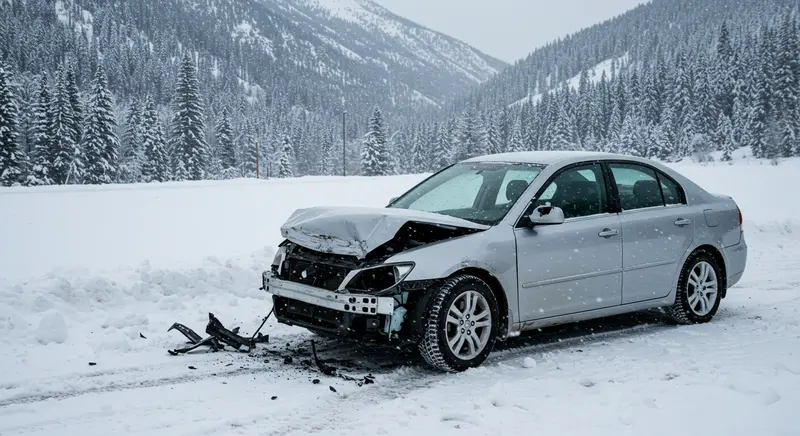
Common Weather Conditions Affecting Collisions
Rain, snow, fog, and ice are the primary weather elements linked to low-speed collisions. Rain reduces tire traction and can create hydroplaning risks. Snow and ice make roads slippery, increasing braking distances and reducing vehicle control.
Fog and heavy mist limit visibility, causing delayed driver reactions. Even light rain or frost can raise the risk of rear-end and parking lot collisions. Temperature shifts that cause black ice are particularly dangerous as they are less visible and catch drivers off guard.
Mechanisms of Weather-Related Accidents
Weather impacts collision mechanisms through reduced friction, obscured vision, and impaired decision-making. Wet or icy surfaces decrease tire grip, leading to skidding during braking or turning. Drivers often misjudge stopping distances under these conditions.
Poor visibility from fog or precipitation causes drivers to see obstacles too late, increasing collision likelihood. Sudden weather changes hamper driver reaction speeds. These factors collectively raise the frequency of common low-speed impacts, such as rear-end crashes and side-swipes.
Overview of Low-Speed Collisions in Various Weather
Urban areas report more weather-related fender benders near intersections and parking zones. Time of day also matters; early morning frost correlates with more collisions than midday in winter months.
How Weather Influences Collision Dynamics
Weather affects low-speed collisions by altering vehicle control, driver visibility, and road surface conditions. These factors interact to increase the likelihood of impact and affect how vehicles behave during accidents.
Reduced Traction and Vehicle Control
Wet, icy, or snowy conditions reduce tire grip on the road. This loss of traction makes it harder to accelerate, brake, or steer effectively. Vehicles may skid or slide even at low speeds, increasing collision risk.
Drivers often misjudge stopping distances in poor traction conditions. For example, ice can double or triple the stopping distance compared to dry pavement. This delay in control adjustment often results in minor fender benders or rear-end collisions.
Electronic stability systems help regain control but cannot eliminate risks posed by slippery surfaces. Drivers must reduce speed and increase following distance accordingly.
Visibility and Reaction Times
Rain, fog, snow, and glare degrade visibility, reducing the distance drivers can see ahead. Limited sight lines shorter reaction times to obstacles or other vehicles.
Fog can reduce visibility to a few meters, while heavy rain blurs windshields despite wipers. Headlights and road markings may become difficult to discern, raising hazards in complex driving environments.
Shortened reaction times frequently lead to slower responses or incorrect maneuvers at intersections or parking lots, common sites for low-speed impacts.
Road Surface Hazards
Weather creates uneven and unpredictable road surfaces. Potholes fill with water, creating hidden hazards. Ice patches, wet leaves, and accumulated debris reduce surface uniformity.
These hazards cause sudden jolts or unexpected slips, making it difficult to maintain steady control at low speeds. Bumpiness may delay braking or steering inputs, increasing collision chances near stop signs or in traffic.
Drivers may struggle to judge traction variability across different spots on the same road, compounding risks during low-speed maneuvers.
Weather significantly influences low-speed collisions by reducing visibility and road traction, increasing accident risks. Legally, fault determination may consider weather conditions, affecting liability and insurance claims.
Legal and Insurance Considerations After Weather-Related Collisions
Weather conditions often complicate both legal liability and insurance processes after low-speed collisions. Understanding how fault is assigned, how claims are handled, and when to seek professional legal help is critical in these situations.
Determining Liability in Low-Speed Accidents
Liability hinges on identifying which party failed to exercise reasonable care given the weather conditions. For example, in icy or rainy weather, drivers are expected to reduce speed and increase following distance.
If a driver breaches these standards and causes a collision, they are typically held responsible.
However, courts also consider external factors like faulty road maintenance or unexpected weather changes that could relieve some liability. In Aurora, local laws emphasize driver responsibility but allow some leniency if weather conditions were unforeseeable.
Insurance Claims and Weather Factors
Insurance companies closely examine weather conditions when processing claims from low-speed collisions. They assess whether both parties took appropriate precautions.
Claim adjusters will review police reports, weather data, and vehicle damages to determine the claim’s validity. Weather-related claims may require additional documentation, such as photos of road conditions.
Policyholders should notify their insurer as soon as possible after the accident and provide clear evidence of the weather impact. Failure to report promptly or inconsistencies in the claim can lead to denial.
Role of Legal Professionals in Aurora
An Aurora car accident lawyer can provide valuable guidance when weather complicates liability determinations or claim settlements. Experienced attorneys help clients gather necessary evidence and navigate insurance negotiations more effectively.
Legal professionals also represent clients if disputes escalate or insurance companies undervalue claims. They can explain how Aurora’s specific traffic laws affect each case, especially in weather-related scenarios.
Insurance companies often assess weather-related factors when processing claims, potentially impacting premiums. Hiring a local lawyer familiar with weather-related accident claims increases the chances of fair compensation, particularly after a minor car accident in Aurora.
Preventive Strategies for Drivers in Adverse Weather
Drivers can reduce the risk of low-speed collisions by adjusting their behavior and maintaining their vehicles properly. These approaches focus on adapting to specific weather conditions and ensuring the car’s safety features perform as expected.
Safe Driving Techniques for Low-Speed Scenarios
In adverse weather, reducing speed is critical. Drivers should maintain a greater following distance—at least three to four seconds behind the vehicle ahead—to allow more reaction time on slippery roads.
Using gentle acceleration and braking prevents wheel lock and skidding. Steering inputs must be slow and smooth to avoid sudden changes in direction, which can cause loss of control on wet or icy surfaces.
Visibility often drops in bad weather. Headlights should be on even during the day, and mirrors must be adjusted to minimize blind spots. Drivers should avoid distractions and focus on road conditions continuously.
Vehicle Maintenance and Preparation
Proper tire condition is essential. Tires should have sufficient tread depth (at least 3/32 inch) and be inflated to manufacturer specifications to maximize traction in rain or snow.
Windshield wipers must be in good shape to clear rain effectively. Fluid levels for washer systems should be topped up with winter-grade fluids if necessary.
Brake systems require regular checks. Pads and rotors should be inspected to ensure prompt and stable stopping. Anti-lock braking systems (ABS) must be tested periodically.
Lights, including brake, signal, and headlights, must be fully functional to ensure visibility to other drivers and pedestrians in poor weather conditions.
To prevent such collisions, drivers should reduce speed, maintain safe following distances, ensure vehicle readiness, and stay informed about weather forecasts. Adopting cautious driving habits in adverse weather minimizes accident likelihood and legal complications.
Impacts Beyond the Accident: Safety and Community Considerations
Low-speed collisions affect more than just vehicles. They influence injury treatment and burden healthcare, while also impacting local economic and social conditions in Aurora.
Injury Patterns and Medical Response
After minor car accidents in Aurora, common injuries include whiplash, bruising, and minor fractures. These injuries may seem small but require timely medical evaluation to prevent long-term complications.
Emergency responders often face challenges distinguishing between immediate injuries and those that manifest later. This leads to increased visits to urgent care and outpatient clinics.
Local hospitals have protocols to manage these cases efficiently. Immediate assessment and follow-up care reduce chronic pain reports and improve recovery times.
Healthcare providers in Aurora stress the need for early intervention. This helps prevent costly and extended medical treatments linked to untreated minor injuries.
Economic and Social Effects on Aurora Residents
Minor collisions create unexpected expenses like vehicle repairs and medical bills. Residents often use personal insurance or pay out-of-pocket, increasing financial stress.
Work disruptions are common because injured individuals may miss days or weeks. This impacts income, especially for hourly workers or those without paid leave.
Traffic slowdowns caused by minor collisions also affect local businesses. Delays reduce customer access, causing short-term revenue losses.
Community resources like emergency services and traffic management must allocate time and personnel to these incidents. This can strain local budgets and reduce support available for other priorities.
Overall, the ripple effects of low-speed collisions challenge both individual residents and the broader Aurora community.
