
Toyota Camry Years to Avoid: Which Models Have the Most Issues?
The Toyota Camry is one of the best mid-sized sedans in the market because of its reliability, comfortable time usage, and long-time use performance. Nonetheless, the Toyota Camry sedan is not a car that is the same across the board. Some years had more problems than others, and as a result, potential buyers are often left wondering which year to go for.
In this comprehensive guide, we’ll take a look at the Toyota Camry years to avoid common problems across various models and which years are best to consider. We will also give tips on what to look for when purchasing a second-hand Camry.
Toyota Camry Years to Avoid: Why You Should Not Buy A Toyota Camry Of Certain Model Years
It is if you have been living under the rock and didn’t know that Toyota Camry is one of the most reliable cars out there, at least in some years. There are specific model years that some owners have reported loopholes concerning reliability and several experts attributed to the defects in the manufacturing processes, designs or other influences that caused it.
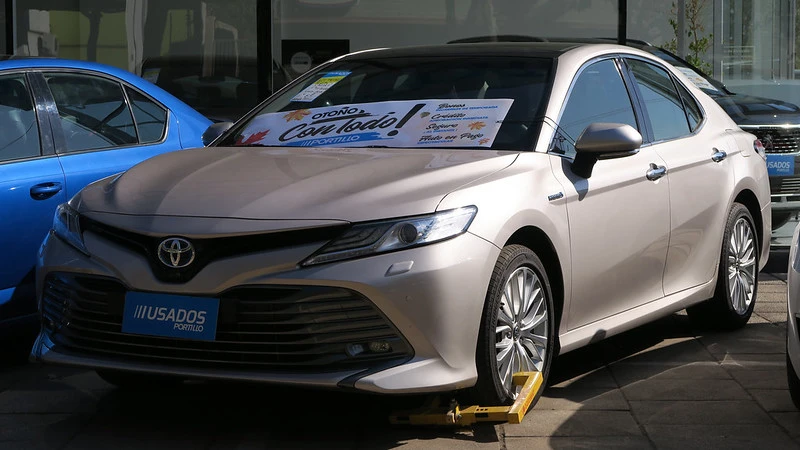
Factors that contribute to a year being “problematic” may include:
- Defective Parts or Materials: Some Camry models had substandard parts installed in them, and this resulted in such problems such as an engine or transmission stall, or brake failure.
- Recall Issues: This may suggest that a given year’s model was made with more defects than other years even if the numbers of recalls in any given year may vary.
- Poor Consumer Feedback: Years of high customer complaints or low satisfaction ratings often show that the vehicle didn’t live up to the reputation of Toyota Camry reliability.
- Frequent Repairs: There are some model years of vehicles that may need more attention concerning maintenance problems or because some features or materials used in the vehicle manufacturing may have predisposed the vehicle to have more problems than others.
In general, the vehicle should provide comfort in the form of the low cost of usage and powertrain. However, it is not consistent across all Camry years.
General Problems Involving Toyota Camry Years
Before diving into what year Camry to avoid, it’s useful to understand the common problems that have affected Toyota Camry models. These problems can appear in any generation, though they may be more pronounced in certain years:
- Engine Problems: There are several problems that were reported with regards to older Camry models, but the most widely reported problem is that of the engine. Such may include head gasket problems, oil leaks or even total failure of the engine depending on the year of make.
- Transmission Issues: Several Camry years, particularly those of the late 2000s and early 2010s, have reported issues with the transmission – either a rough shifting or outright slippage.
- Brake Problems: Some of the problem complaints which have been raised in relation to these models include premature wear of the brakes and concerns relating to the braking mechanism.
- Electrical Problems: Problems such as malfunctions of the air conditioning, problems with sensors, and issues of the car’s electrical system have been raised in all the years of the Toyota Camry.
- Suspension Issues: These have given complaints regarding the suspension system on the vehicle, which has resulted in early wearing of tyres or very bumpy ride.
Toyota Camry Years to Avoid
In general, it is associated with long-running reliability, but some of the years in production were not very lucky. If you’re in the market for a used Camry, there are specific Camry years to avoid due to known problems. Below is a detailed look at the years you should steer clear of:
1. 2001–2002 Toyota Camry
Main Issues: sludge build-up in the engine, early failure of an engine, transmission failure, electrical failure.

The Camry of 2001 and 2002 belong to the fifth generation and throughout the feedback collected from the owners of this car, it has come to my to realization that this particular Camry was highly regarded for its comfort and reliability back in the day. However, it is one of the less reliable Camry years because the engine attraction, which became famous during these years, was filled with problems that concerned many owners.
- Why to Avoid: The problems that have been associated with the engine sludge are that it is destructive to the engine and the repair cost may be expensive for a used car. These model years are again associated with reliability issues and the above mentioned transmition and electrical issues enhance these problems.
2. 2007–2009 Toyota Camry
Main Issues: high oil consumption, transmission trouble, melting of the dashboard, suspension failure.
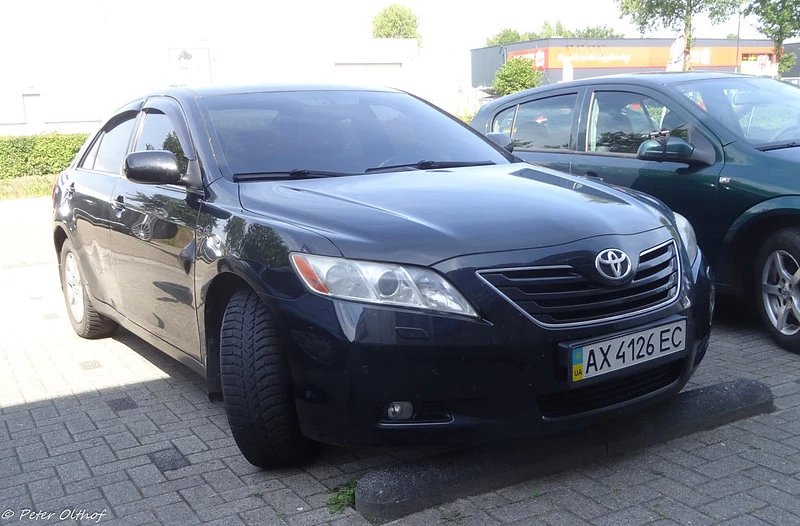
The 2007–2009 Toyota Camry was launched during the 6th generation of the model, and brought some new exciting features. Although, this generation was marked improvements in terms of style and comfort, it came with its problems that made these years uncomfortable.
- Why to Avoid: The 2007 to 2009 Camry sedans were quite popular when they came out; however, their engine, transmission, and interior make are not very dependable. So, if you are going for a used Camry in these years, expect to negotiate high maintenance fees.
3. 2012–2014 Toyota Camry
Main Issues: transmission problems, suspension issues, electrics issues, oil leak.
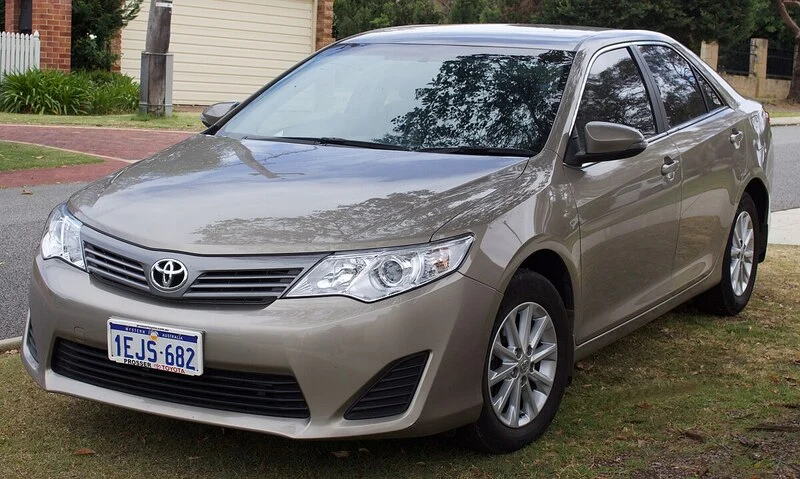
The Toyota Camry in the 7th generation’s facet covers the model in 2012-2014 with a new generation of the Camry, a new design concept, better fuel efficiency and better technology. But these years also had their problems which somewhat reduced their attractiveness or value.
- Why to Avoid: The 2012 to 2014 models of the Camry are new in many features but retained some of the reliability problems of the outgoing model. Issues with the transmission and suspension, to which one can add electrical system issues, place these years below years in terms of desirability relative to other Camry generations.
4. 2018 Toyota Camry
Main Issues: fuel pump failure, infotainment system, electrical problems.
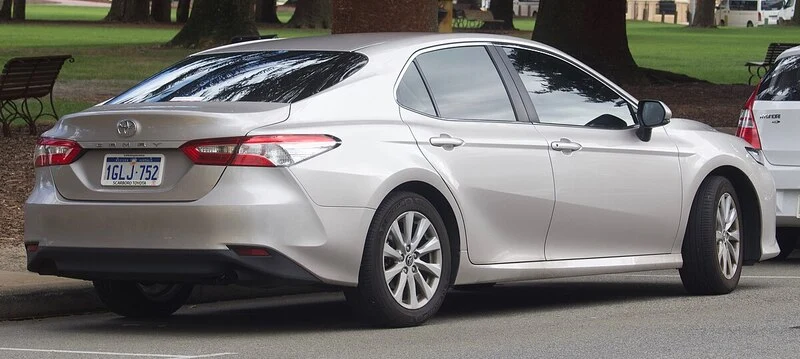
The 2018 Toyota Camry also began a new generation of Camry with a new generation of intent that focused on driving dynamics, efficiency, and technology. Though this generation was appreciated for its design and handling, it was not free from some problems through which this generation becomes a classic example for those people who are going to buy a used car.
- Why to Avoid: For the 2018 model, the Camry came with a new redesign; however, it has some recurring fuel pump problems and the unresponsive infotainment and electrical system issues that are deemed common for a Toyota but can be quite costly for a used car buyer. Buyers are advised to consider a different year in order not to experience the above stated tech related inconveniences.
Why Some Toyota Camry Models More Problematic Than Others
The dependability of any car model, therefore, depends on things like the quality of design work done, quality of production work done and the level of sophistication in the use of new technologies. Certain Toyota Camry models suffer because:
- Rushed Production: There is a tendency where upon launching a new generation, manufacturers are under pressure to release more products into the market and this normally result in quality complications.
- Use of New Untested Technology: Products such as the newfound infotainment systems and hybrid powertrains are at times released with some flaws, which are worked on in subsequent years.
- Aging Designs: You can observe that some automakers do not invest in their vehicle models in the final years of production, and as a result, certain problems remain unsolved.
- External Factors: Fluctuations, cross-sellers’ errands, and recalls, besides changing policies, disturb concrete models more than others.
Best Toyota Camry Years to Consider
While it is well known that not all Camrys are the same, they have been one of the most long-standing and most reliable vehicles on the market. If you’re considering buying a Toyota Camry, these years stand out:
1. 2004–2006 Toyota Camry
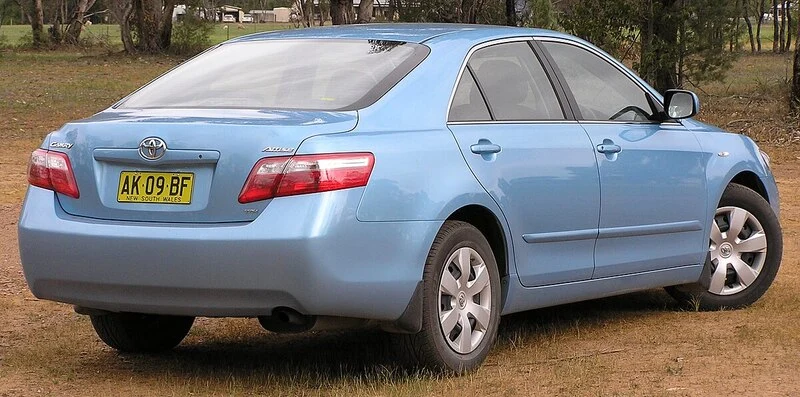
- Why It’s a Good Choice: A lack of small problems and overall high reliability, but with relatively few failure-prone issues.
- Notable Features: Reasonably comfortable with sufficient activity in terms of speed.
2. 2010–2011 Toyota Camry
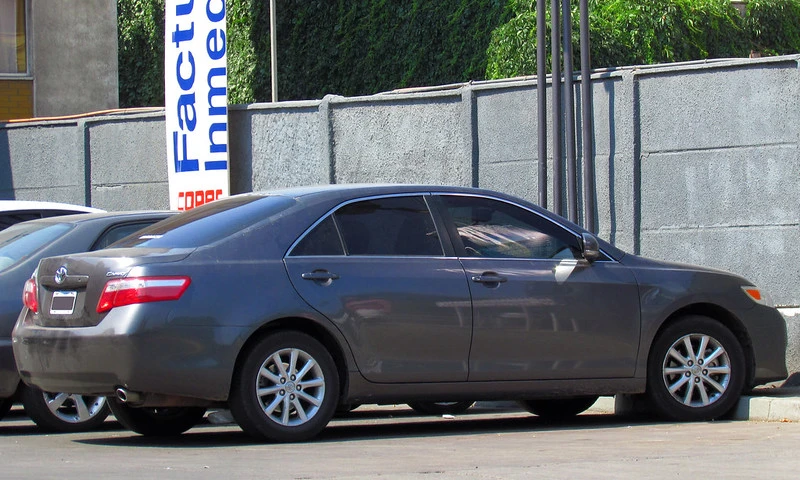
- Why It’s a Good Choice: Most problems defined in earlier years were solved in this generation to an extent.
- Notable Features: Comfort and reliability in the manner of performance and handling.
3. 2015–2017 Toyota Camry
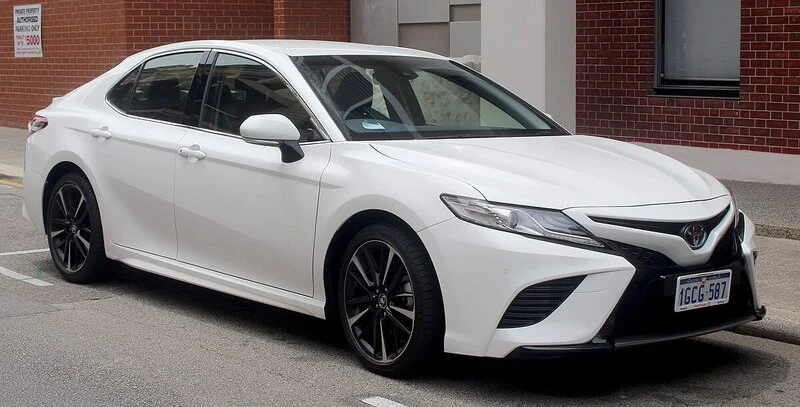
- Why It’s a Good Choice: The product benefits were enhanced transmission, durable and dependable engine, and low customer complaint records.
- Notable Features: Infotainment system design and simple to use with good scores in safety.
4. 2020–2022 Toyota Camry
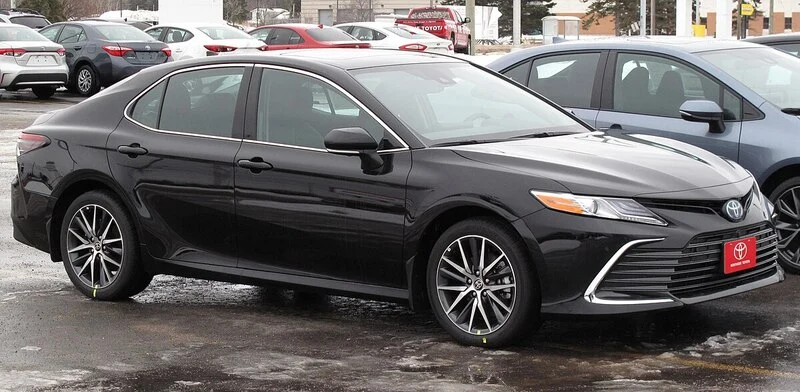
- Why It’s a Good Choice: Currently used technology, efficiency in the engines of the vehicles, and quality technical features to enhance safety.
- Notable Features: Integration of assistant systems in vehicles and hybrid vehicles.
Signs Common Issues with Used Toyota Camry Models
When buying a second-hand car, especially a Toyota Camry, it becomes very important to ‘check where the devil is’ before anyone else does so. Here are some tips:
- Inspect the Service Records: Make sure that the maintenance of the vehicle had been done in compliance with the Toyota’s standard.
- Look for Recalls: It is advisable to see if the unique model year of the car has had any open recalls and if those were fixed.
- Test Drive the Vehicle: It important to note the condition of the engine, the nature of shifting in the transmission as well as the performance of the braking system.
- Examine the Exterior and Interior: Look out for scratched paintwork and wear and tear to the dashboard, should an area give off a damp smell, it is likely the airbag has been deployed.
- Hire a Professional Mechanic: You have to note that some issues may not be revealed during a test drive and a pre-purchase inspection will come in handy in revealing them.
Conclusion: Should You Buy a Toyota Camry?
The Toyota Camry has been and will continue to be popular among drivers who value reliability, comfort and rather attractive resale value. Nevertheless, there are some years that owners should avoid in order to gain the most of the brand’s possession. If you avoid the mentioned years and find more trustworthy options, you will be provided with all the benefits of Camry without a hidden potentially costly repair.
FAQ: Toyota Camry Years to Avoid
The 2007 Toyota Camry is often cited as one of the most problematic years due to excessive oil consumption and dashboard issues.
Yes, recent models (2020–2022) benefit from advanced technology and resolve issues from earlier generations.
Look for models that have been well-maintained, avoid those with high mileage, and always check for any past recalls or repair history.
Yes, issues like engine or transmission repairs in problematic years can be expensive. Always budget for potential repairs when considering these models.
Yes, if properly maintained. Regular servicing and a solid repair history are key indicators of reliability, even with high mileage.
