
Toyota Venza Years to Avoid: A Complete Buyer’s Guide
Toyota Venza offers the same level of comfort as a sedan with SUV-like functionality. It was designed for those who want quality and dependability. It provides an effortless ride and a spacious interior and Toyota’s well-known quality of construction. But it’s not always the case that every model can live up to its reputation.
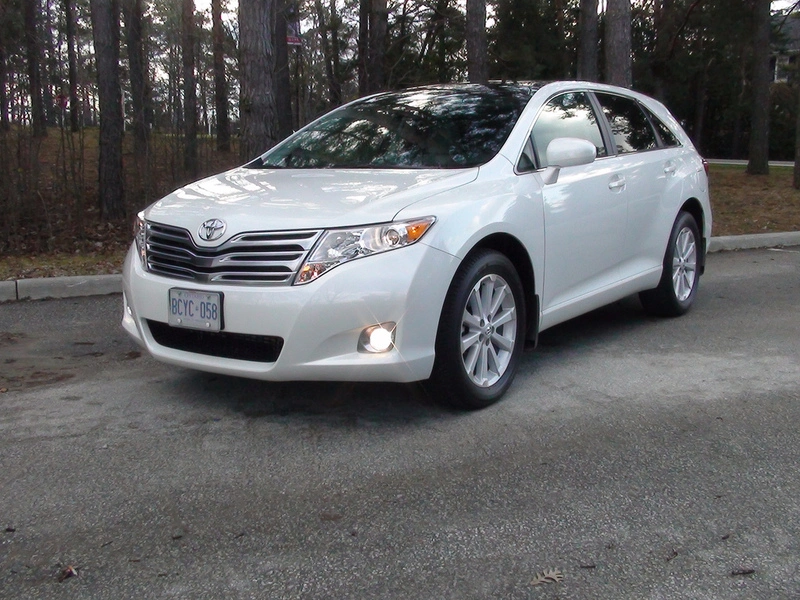
Data from industry sources also show that satisfaction with the hybrid model 2021 Venza was up by almost 35% when compared to earlier models which was due to improved performance on the road and fewer mechanical issues. Toyota Venza models will help buyers make better buying decisions.
A Quick Look at the Toyota Venza’s History
The Toyota Venza was launched in 2009 and continued production until the year 2015, when Toyota abruptly ended production. It returned in 2021 in a hybrid model built upon the RAV4 Hybrid platform.
The concept was still appealing as a small crossover that has a luxurious touchscreen, certain early models had regular issues that annoyed owners as well as impacted the resale value. Knowing these model years is essential before searching for a second-hand Venza.
Toyota Venza Years to Avoid
Here is the quick summary about Toyota Venza years to avoid:
| Model Year | Problems Reported | Severity | Overall Recommendation |
| 2009 | Steering issues, electrical malfunctions, sunroof & window failures | High | Avoid – First model year with multiple reliability issues |
| 2010 | Steering/brake issues, premature rotor wear, noise in steering | High | Avoid – Repeated mechanical flaws from 2009 |
| 2011 | Uneven braking, steering vibration, alignment issues | Moderate | Caution – Handling and brake issues persist |
| 2012 | Electrical glitches, dashboard sensor errors | Moderate | Caution – Better build but unreliable electronics |
| 2013 | Excessive oil use, infotainment malfunctions | Moderate | Caution – Mechanical fixes but oil issues remain |
| 2021 | Touchscreen freezes, paint flaws, sensor glitches | Low | Acceptable – Minor software issues; manageable under warranty |
2009 Toyota Venza
In 2009, Toyota Venza was a challenging year for Toyota Venza was the model’s debut year and one of the most challenging. Owners reported problems with issues with steering electrical malfunctions along with steering issues and also issues with the interior features like solar roofs and power windows. Many of these issues stemmed from early mistakes regarding design and reliability that Toyota was able to correct.
2010 Toyota Venza
The 2010 model continued to have the same steering and electrical problems as in the previous year. The Venza’s drivers often experienced irregular braking and premature wear on the rotor and steering sound. Mechanical flaws like these led to the Venza in 2010 Venza one of the most trustworthy options available in the range.
2011 Toyota Venza
In spite of minor improvements for 2011, the Venza continued to struggle with uneven steering and brake wear. Certain owners complained of the vehicle shifting to one side or vibrating when brakes. The frequent complaints highlight Toyota’s continuing efforts to enhance the handling of its crossover and to improve its durability.
2012 Toyota Venza
The 2012 Venza made some improvement regarding build quality, however electrical problems remained prevalent. Dashboard warning issues, sensors and warning errors continue to be a source of frustration for owners. While it’s better than previous models, it was not as refined. quality you would expect from Toyota.
2013 Toyota Venza
In 2013 Toyota had fixed a variety of mechanical issues, but the problem remained. Models that had the 2.7-liter four-cylinder engine were susceptible to excessive consumption of oil, typically due to piston rings wear. Information and control system malfunctions as well as electrical issues also remained.
2021 Toyota Venza
Following a break of six years, Toyota revived the Venza in 2021 to be a contemporary hybrid crossover. Although it’s robust and efficient in fuel consumption, some owners have noticed minor problems like touchscreen freezes as well as paint flaws and sensors that malfunction. They’re minor issues rather than deal-breakers but worthy of note for buyers.
Common Problems in the Venza’s Troubled Years
- Steering Problems: A lot of owners have complained of noisy or stiff steering. It is usually caused by wear-out of the intermediate shafts or defective parts of the power steering.
- Electrical Issues: Common electrical problems included malfunctioning audio systems, defective sensors and warning issues on dashboards that were expensive and hard to find out.
- The performance of brakes: This was not even. Brakes as well as premature wear on the rotor are common and can cause vibrations and reduced stopping power.
- Interior Accessory Failures: Parts like window switches, seat adjustment motors, and sunroof mechanisms are often damaged before the time expected.
- Issues with Seals and Oil Leaks: Certain models were affected by leaky seals in the cover of the timing chain or transfer case causing leaks of oil and damage to the drivetrain.
- General Reliability Issues: While Toyota usually has a solid track record of reliability, these frequent problems have made certain Venza times more prone to failure than other Toyota models.
Why Are These Years Riskier?
- The first Toyota Venza models were built on a platform that offered the same comfort of a sedan with the capability of an SUV. This design innovation caused issues with electric and steering systems. This made early models more prone to failure.
- Electrical system’s wiring harnesses as well as control modules that were used in the early years of this generation, were subject to corrosion and wear, creating electrical problems that could cause a variety of malfunctions. Warning lights on the dashboard
- The suspension and brakes were not balanced. The suspension and brake system were not properly optimized to the weight of the vehicle and weight, resulting in irregular braking, premature rotor wear as well as steering vibrations over the course of.
- In 2013, models had a high oil consumption. Four-cylinder engines of 2013 gained a reputation for its excessive use of oil, usually because of wear on the piston rings or a lack of maintenance.
- Minor flaws with hybrid Models There are a few minor flaws with the 2021 model. More recent hybrid Venzas are much more stable mechanically, yet they rely heavily on electronic components. Certain owners have reported software glitches as well as sensor issues, which tend to be resolved within the warranty.
What to Check When Buying a Used Toyota Venza?
It is important to identify any problems before they become serious and guarantee you an efficient car that lives up to Toyota’s record of quality. Here are the following:
Check the Vehicle’s Maintenance History
Before you make a commitment to purchase, be sure to request the entire maintenance record. An accurate service history demonstrates how the prior owner complied with Toyota’s recommendations for schedules, reducing the chance of discovering unnoticed mechanical problems.
Test All Electrical Features
Electric faults are frequent among older Venza models. It is important to check each switch, window and informational function. Ensure that the display and sensor functions work well to avoid costly electronic repairs later on.
Listen for Steering Noises
While you are driving, take note of the steering column for noises that sound like rattling or knocking in particular when you turn. The sounds can be a sign of wear on the steering parts or alignment issues that need care.
Evaluate Brake Performance
Check the brake’s responsiveness carefully at different speeds. Pulsations or vibrations in braking can indicate broken rotors, or irregular brake wear, which could impact the safety as well as the comfort.
Inspect for Leaks and Seals
Check under the car to look for leaks in the oil that might be within the cover of the timing chain or transfer case seals for the engine. Small leaks could cause costly repairs to the drivetrain if they’re not taken care of.
Verify Recalls and Technical Bulletins
Use VIN to determine if there are open recalls and unaddressed tech service bulletins. Making sure that these issues have been solved is crucial to the long-term stability of your vehicle.
Get a Professional Engine Check
You should have an expert mechanic carry out the compression test, specifically for the engine with four cylinders. It helps to identify early indications of wear and tear or wear that isn’t evident during an examination.
Safer Toyota Venza Years to Consider
You can consider buying the given Toyota Venza models:
2014-2015 Toyota Venza
Toyota Venza models are among the top choices for second-hand purchasers. In the past, Toyota had resolved many issues that had been present in earlier Venza models. They offer a trouble-free journey, spacious interiors, as well as long-term reliability, which is consistent with Toyota’s profile.
2021 and Newer Toyota Venza
The hybrid crossover was reintroduced in the form of a hybrid with 2021 models, the more recent Venza models display Toyota’s newest technologies and designs. They offer remarkable energy efficiency, a quiet ride as well as upscale options. Although minor trim and infotainment problems can arise, overall reliability is high if it is maintained properly.
Bottom Line
Toyota Venza provides you with the option to choose the proper model year. Be aware of models manufactured in the years 2009-2013 due to numerous issues in mechanical and electrical parts. Search for hybrid or older models for better, higher-quality and longer-lasting performance rather than going for these controversial ones. Keep track of the inspections and keep them in a timely manner. The most recent Venza will give you several years of stress-free and secure driving.
FAQs:
Here are FAQs about Toyota Venza years to avoid:
2009–2013 due to steering, brake, and electrical issues.
Yes, mostly reliable with minor software or sensor issues.
Only 2014–2015 models; earlier ones have frequent problems.
