
What Every Driver Should Know About Personal Injury After a Crash
Car accidents can turn an ordinary day into a moment you will never forget. They happen suddenly and often leave you shocked, confused, and unsure of what to do next. In the middle of calling for help and checking the damage, most people forget to think about their own injuries.
Even a small accident can cause hidden harm that shows up days later. Knowing how to handle a personal injury after a crash can help you recover safely and protect your rights.
Many people do not realize that there are different types of car accident claims you can file, depending on how the crash happened and who was at fault.
Understanding these can guide you when you deal with insurance or seek compensation. A little knowledge at the right time can save you from long-term stress.
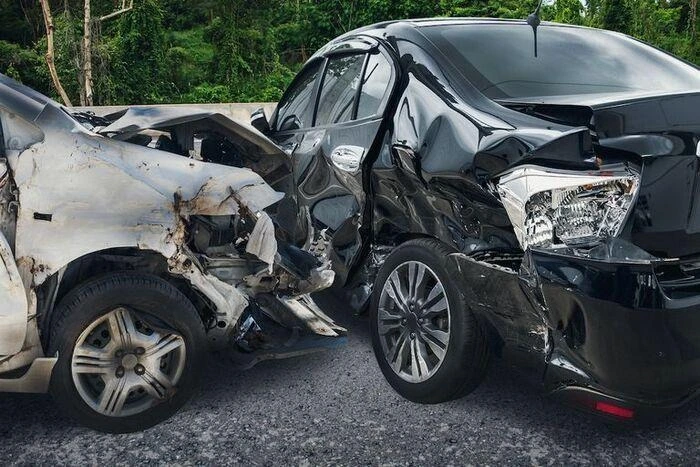
Common Personal Injuries After a Crash
Not all injuries are visible right away. Some might seem mild at first but can become serious later. Here are a few of the most common injuries drivers experience after a collision.
1. Whiplash:
This happens when your neck and head move suddenly back and forth. It often occurs in rear-end collisions. You might feel neck stiffness or headaches a day or two after the crash.
2. Concussions:
A blow or jolt to the head can cause a concussion. Even if you did not hit your head hard, the sudden movement of the brain can lead to dizziness, confusion, or blurred vision.
3. Back and spine injuries:
The impact of a crash can strain muscles or damage the spine. Back pain, numbness, or difficulty moving are signs that should never be ignored.
4. Internal injuries:
Sometimes the body suffers damage inside, such as bruised organs or internal bleeding. These can be life-threatening if not treated right away.
5. Emotional trauma:
Accidents also affect the mind. Some people experience anxiety or fear when driving again. Recognizing this is important for complete recovery.
What to Do Right After an Accident
Your first steps after a crash can make a big difference later.
- Check for injuries. Make sure you and others are safe. Call emergency services if anyone is hurt.
- Move to safety. If possible, get out of traffic to avoid further danger.
- Call the police. A police report is valuable proof when you file insurance or legal claims.
- Document the scene. Take pictures of the vehicles, the road, and any visible injuries.
- Seek medical attention. Even if you feel fine, see a doctor. Some injuries take time to show.
- Notify your insurance company. Report the crash quickly and share accurate details.
These actions help protect you legally and medically. A calm, careful response often leads to better results.
Why Medical Evaluation Matters
Many drivers skip a medical check if they do not feel pain right away. That can be a big mistake. Some injuries, like whiplash or internal bleeding, develop slowly. A doctor’s report also serves as proof if you need to make a claim later. Without medical records, it becomes harder to connect your injuries to the crash.
It is also wise to follow up with your doctor regularly after the accident. Keeping track of symptoms, treatments, and recovery helps in both health and legal matters.
Understanding Your Legal Rights
After an accident, you have the right to seek compensation for medical bills, lost wages, and pain caused by the crash. The process usually starts with filing an insurance claim. But if another driver was careless or reckless, you might need legal help to recover fair compensation.
Working with a personal injury lawyer ensures that you understand your rights and deadlines. They can guide you through complex paperwork, negotiate with insurance companies, and represent you in court if needed.
Remember, each case is unique. The amount of compensation depends on the severity of your injuries, the evidence you provide, and the laws in your state.
Preventing Future Accidents
While not all crashes can be avoided, safer habits can lower your risk.
- Keep your phone away while driving.
- Follow speed limits.
- Avoid driving when tired or upset.
- Check your mirrors often and stay aware of your surroundings.
- Keep your vehicle in good condition with regular maintenance.
Small changes can prevent big problems on the road.
Key Takeaways
- Hidden injuries can appear days after a crash.
- Always get medical help, even for small accidents.
- Collect proof and document everything at the scene.
- Know your legal options and act quickly.
- Drive safely to protect yourself and others.
Being informed helps you stay prepared. Understanding personal injury after a crash is not just about recovering from one event. It is about knowing how to protect your health, rights, and peace of mind in the moments that matter most.
