
What Evidence Matters in Sideswipe Accident Claims
A sideswipe accident transpires when two vehicles make a damaging side contact/crash. This happens when one driver moves out of their lane, changes lanes carelessly, or misjudges distance. Nothing will look particularly drastic in terms of damage, but legal and insurance issues can be complex.
The fault in a sideswipe accident is not clear. Each driver may accuse the other, and without solid evidence, claims will stall or be denied. Evidence is key to showing negligence and determining who should be compensated for medical bills, damage, and emotional trauma.
To prepare a strong case, it’s necessary to understand what sort of evidence is most valuable in sideswipe accident claims. Let’s look at the most important kinds of evidence and why these particular pieces are vital in proving fault.
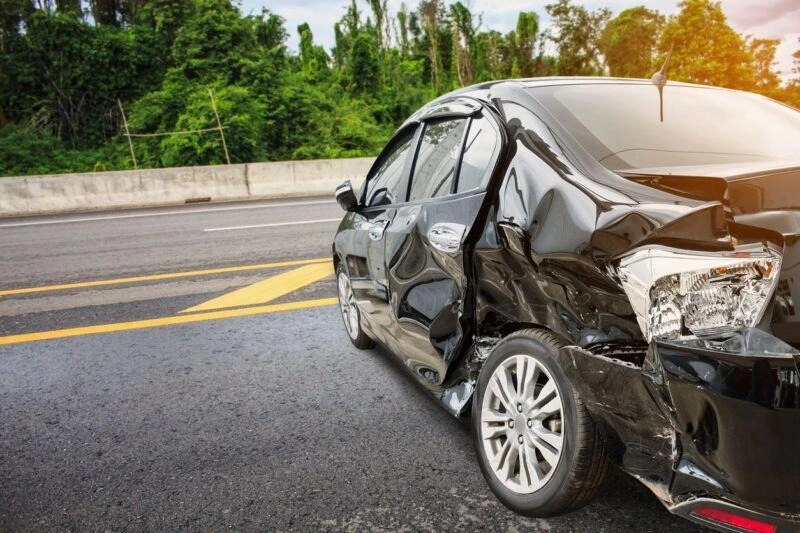
Why Is It So Important to Produce Evidence After a Sideswipe Collision?
With sideswipe crashes, it’s often difficult to tell who was at fault. Because both vehicles are moving, solid evidence such as eyewitness accounts and tangible proof comes in handy to reconstruct events. Even the most minor details, like scratch patterns or evidence on debris, can prove to be important. This evidence shows good lane discipline, or the driver’s fault.
Photos and Videos
Pictures and videos are your best allies. Snap a shot of each crash and where they make contact, the tire tracks while crossing the median strip, or both vehicles’ stopping points. If you have dashcam footage, that is real-time proof: movements, velocities, and what happened as a result are all captured.
Even a short clip from traffic or security cameras near the crash scene can show what happened in those lanes and how vehicles were behaving before the collision, which gives visual evidence that settles arguments quicker than words alone can.
Account of the Witness
Lay eyewitnesses offer legitimacy that is beyond the vindication of either driver. Their details will clarify what was happening on the traffic lanes and any hazardous maneuvers. Get their names, phone numbers, and a short written statement before they leave.
What drivers fail to see, other witnesses do, such as swerving, tailgating, random, and uncertain braking. These details clarify the sequence of events.
Official Police Reports
A police report is an official third-party account of what happened. Officers note where the vehicles are, what their condition is, weather conditions at the time, and statements by drivers. This document also evaluates who was at fault and if traffic violations occurred. These details influence the insurance result.
Get this record in your hands as soon as you can. It prevents arguments over comments made or admissions of liability there.
Medical Records
Even at very low speeds, sideswipe impacts cause major injuries. These injuries include neck strain, shoulder injuries, and concussions. Medical records link injuries right back to the crash and provide proof of harm for compensation.
See a doctor right away, even if you don’t feel ill. Later on, the symptoms will likely emerge. Late treatment has caused many such cases to collapse. Document all diagnoses, tests, and treatments.
Other Types of Evidence That Can Boost Your Case
Modern claims include text messages, phone records, and car data. If another driver was distracted by texting, talking on his mobile phone, or watching streams, you can use these records for proof of negligence. Some modern vehicles record information about steering, braking, and speed data. These can help to confirm reaction time and the severity of the impact.
Your lawyers can legally secure this data and use it to support your argument during mediation or in court.
Key Takeaways
- Clear photographs and video evidence, such as that taken from dashcams or surveillance cameras.
- Sworn statements from credible witnesses that can corroborate the position of other drivers compared to the lanes.
- Detailed, comprehensive reports by police investigators.
- Damage patterns of vehicles showing the direction and force of impact.
- Digital medical records provide documentary evidence of injury occurring in an accident, which, when neglected, may be turned into liability.
