
What You Need to Know About Liability in Car Accidents
Determining liability in a car accident is important for insurance claims, legal action, and financial responsibility. Figuring out who is at fault can be tricky because factors such as traffic laws, external conditions, and drivers’ behaviors all play a role.
Knowing how car accident liability works can help protect your rights as a driver, passenger, or pedestrian. Understanding how fault is determined and knowing when you have an actionable claim can be helpful. Keep reading to learn everything about this topic.
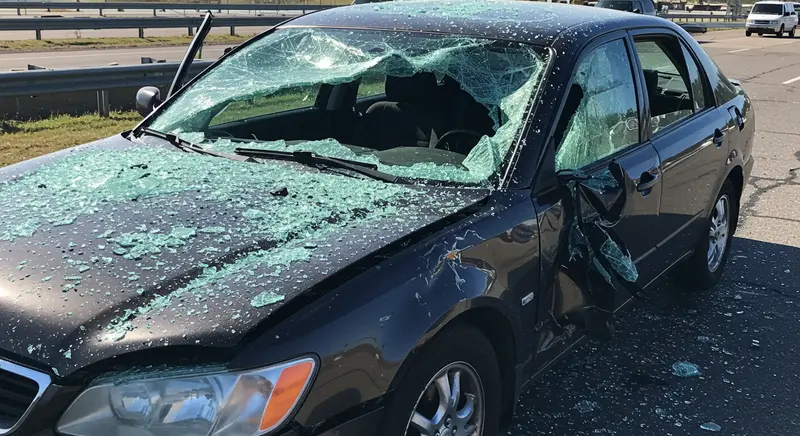
What is Liability in a Car Accident?
Car accident liability refers to one or two parties’ roles in causing an accident. Understanding liability in car accident events is often necessary since it determines victims’ compensation for their damages and injuries.
While determining liability can be difficult, the evidence and prevailing factors play huge roles after the accident. However, liability can be attributed to different parties, including drivers, passengers, cyclists, pedestrians, and vehicle manufacturers.
For example, if an accident involves multiple vehicles, speed limit violations, and lane changes, one or more parties may be liable for the wreck. On the other hand, a driver is liable for an accident if they collide with another vehicle after running a red light.
What Are the Types of Car Accident Liability Claims?
There are several types of car accident liability claims. However, the kind of claim depends on the parties you’re filing against. Here are three common liability claims for car accident victims.
Claims Against Other Drivers
The most common car accident liability claims are those against other drivers. These involve crashes where one driver is responsible for causing the accident. This applies whether you’re driving, walking, or riding a bicycle or motorcycle.
Product Liability Claims
You can file a product liability claim if car accidents occur due to defective vehicles. Whether there are design, manufacturing, or information defects, this liability applies.
Dram Shop Liability Claims
A dram shop liability claim involves drunk driving but allows you to sue an organization that served alcohol to the person driving. While it only applies to some circumstances, this type of liability is only valid if the organization knowingly served a habitual alcoholic.
How Negligence and Recklessness Affect Car Accident Liability
Other important factors that determine liability in car accidents are recklessness and negligence. Recklessness involves knowing that their actions will likely cause a car crash and going on with it anyway.
Negligence occurs when someone unknowingly violates a rule or makes a simple mistake that causes an accident. For instance, running a stop sign is negligent. However, the context of the accident determines liability significantly and helps to navigate the legal challenges.
How Much Are You Entitled to in a Car Accident Claim?
The compensation you get depends on the extent of damage you’ve suffered. Since severe injuries require higher medical costs, they impact your settlement greatly. Besides medical expenses, your settlement is affected by your lost wages.
The settlement covers all repairs and fixes to your car, including stone chip repairs. Non-economic damages, such as pain, suffering, and loss of enjoyment, may also apply. Punitive damages may apply when there is extreme negligence from the liable party.
Endnote
Car accident liability plays a huge role in insurance claims and other legal actions. Liability may be against other drivers, car manufacturers, or other parties. Negligence and recklessness are necessary for determining liability.
