
What Will Collision Insurance Cover in The Event of An Accident? Key Details
The complicated landscape of auto insurance relies on collision coverage to guard drivers from unforeseen monetary problems that stem from accidents. Your vehicle gets protection against collision damages through this insurance while you collide with another car or stationary object.
The article breaks down the fundamentals of collision insurance, including its protection scope and functional processes, as well as its advantages.
We will study comprehensive scenarios involving claim processing as well as analyze detailed comparisons between collision insurance and other kinds of coverage.
What Will Collision Insurance Cover In The Event Of An Accident: What Is Collision Insurance and How It Works?
Your auto insurance policy includes collision insurance coverage, which protects your vehicle from accidents with no consideration for whose fault it was. The insurance system works through deductibles, which demand policyholders to spend a set amount directly before the insurer starts covering the rest of repair expenses.
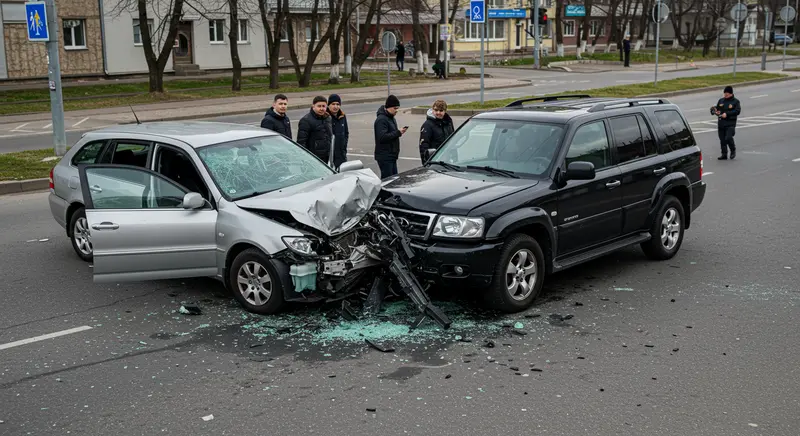
A claim filed to your insurance company results in an assessment of vehicle damage to establish whether repairs or total loss payment is justified. This insurance protection offers important value to owners of fresh vehicles and those who drive expensive vehicles.
What Will Collision Insurance Cover in the Event of an Accident?
The scope of collision insurance protects against expenses emerging from actual traffic crash events. This type of insurance from your policy enables vehicle repairs following driving accidents involving crashes with any stationary item or car or rolling situations.
Collision insurance provides coverage specifically for damages related to collisions, yet this coverage extent depends entirely on your specified policy parameters, such as the deductible level and insurer-set boundaries. The coverage limits of collision insurance should be analyzed to determine its suitability based on your specific needs.
Types of Accidents Covered by Collision Insurance
The coverage provided by collision insurance extends to multiple collision situations, which include:
- Vehicle-to-Vehicle Collisions: If you crash your vehicle into another moving vehicle, either as the responsible party or not, collision insurance steps in to manage your automotive damages.
- Collisions with Stationary Objects: Damage to fences, trees, and utility poles following a collision usually gets reimbursement from collision coverage.
- Single-Vehicle Accidents: The repairs following a single-vehicle accident can be covered by collision insurance when your vehicle loses control to strike barriers or roadside objects.
Will Collision Insurance Pay for Damage to Your Car?
The coverage of collision insurance offers payment for all physical damage your car sustains during a traffic collision. The repair costs of your vehicle after an accident up to your policy limits will be supported through collision coverage, no matter how severe the vehicle damage is.
Your benefit will start after you have paid the amount of your required deductible. After paying your first installment, the insurer completes the financial assistance to protect you from excessive accident-related expenses.
How Collision Insurance Handles Damage in Multi-Vehicle Accidents
Multi-car collision claims become complicated during the claims process because of their intricate nature. In multi-car accidents each participating driver’s collision insurance benefits their individual vehicle while paying no attention to responsibility for the accident.
The insurance company handles your damage assessment by vehicle before they initiate subrogation, which requires getting reimbursement from the responsible insurance company.
Your collision insurance stands dedicated to repairing your vehicle after accidents despite having to resolve driver liability issues independently of the vehicle restoration process.
What to Expect from Collision Insurance When Another Driver Is At Fault
Your collision insurance continues to function even in cases where another driver is responsible for causing the accident. When you use your collision coverage to repair your vehicle, you can achieve immediate access to needed services because the process does not require waiting for claims from the at-fault driver’s insurance company.
After obtaining funds from the at-fault driver’s insurer through subrogation, your insurance provider can recoup payment amounts. Having collision insurance lets you receive prompt repairs in situations where liability is evident while it pays for your expenses without waiting for other parties.
Understanding How Collision Insurance Applies to Non-Vehicle Collisions
When it comes to collision insurance the coverage extends past vehicle crashes involving other cars. The insurance policy extends its coverage to protect your car during accidents involving stationary objects, including trees and guardrails, and also potholes found on the roads.
These kinds of accidents require an identical payment procedure to cover repair costs beyond your deductible but occur frequently, leading to expenses equal to those from vehicle-to-vehicle accidents.
The main role of collision insurance is to defend your vehicle from being damaged in any incident that involves direct contact.
What Happens if Your Car Is Totaled in an Accident?
Your vehicle will be determined as a total loss when the needed repairs exceed the current market value of your car. When your car meets the total loss criteria, your insurance company pays the actual cash value (ACV) of your car at the time of the accident but subtracts the amount of your deductible from this payment.
Insurance provides you with this payment to help you purchase a car of comparable worth. Review your policy specifications precisely because insurers operate with distinct methods of determining actual cash value computation.
How the Payout is Calculated for a Totaled Vehicle
The insurance company determines actual cash value during total vehicle loss assessments through an evaluation of these elements:
- Depreciation: Vehicle depreciation occurs when machines lose worth because of natural deterioration throughout their usage period.
- Mileage: A higher mileage rate leads insurance companies to lower the value they would pay when you sell your car.
- Market Conditions: Market conditions regarding available similar vehicles during the current period determine the settlement amount.
When Collision Insurance Might Not Be Enough to Cover the Full Damage
The coverage provided by collision insurance extends to different forms of damage yet there exist conditions where it leaves you with unrecovered expenses. People who own expensive or customized vehicles may face this situation.
Your insurer can determine an actual cash value that exceeds the coverage limit and actual repair or replacement costs in such scenarios. When you decide to have low-deductible insurance coverage in exchange for cheaper premiums you are likely to encounter numerous out-of-pocket costs during critical accidents.
Most people need to understand what their policy limits allow them to claim in case they require additional coverage.
Collision Insurance vs. Other Types of Coverage: What’s the Difference?
The protection promised by Collision insurance exists only for vehicle damages sustained in collisions because other auto insurance categories provide separate coverages. For instance:
- Liability Insurance: The policy protects both victims and their belongings when the driver at fault is you.
- Comprehensive Insurance: Protects against non-collision-related events such as theft, vandalism, or natural disasters.
- Personal Injury Protection (PIP): Covers medical expenses for you and your passengers regardless of fault.
Step-by-Step Guide to Filing a Collision Insurance Claim
The simplest method to file a collision claim works through this process:
- Ensure Safety: The first step involves evaluating safety by inspecting injuries, followed by relocating to a secure position if needed.
- Document the Scene: You must create records that document both the damaged area along with pictures of affected vehicles and the place around them as well as road indicators or traffic signs.
- Exchange Information: Gather the contact and insurance details of each other driver by performing an exchange of information.
- Contact Your Insurer: The first responsibility includes contacting your insurance provider to report the incident and supplying the needed information.
- File a Claim: Follow the required claim filing process by providing the necessary paperwork and documentation.
- Assessment: Once inspected by an adjuster, the cost of repair work or total loss value will be determined for your vehicle.
- Resolution: The insurance claim goes through your insurer who uses your deductible amount to pay for car repairs or distribute the funds.
Benefit of Collision Coverage for Your Vehicle
Collision coverage provides its main advantage through financial security. The insurance policy protects you from facing large expenses that would arise from fixing or replacing your damaged vehicle after collisions.
Those without sufficient savings would find this coverage extremely beneficial because it pays for vehicle repairs when unexpected costs arise or when driving frequently leads to accidents. Having collision insurance provides mental peace because it lets drivers concentrate on safety while shielding them from accident-related financial disasters.
Is Collision Insurance Worth It in the Event of an Accident?
Your choice to purchase collision insurance depends upon three elements: the worth of your car as well as its age, and your driving record along with your monetary condition.
Your investment in collision insurance becomes vital for valuable or modern vehicles since it helps pay for pricey maintenance costs. Having collision coverage allows you to maintain quick vehicle repairs without experiencing lengthy insurance claims with other drivers, even if you were not responsible for the accident.
Cars with low market value or old age generally lead people to drop collision insurance to get better premium rates. The decision for collision insurance coverage should consider both the premium expenses versus potential costs for fixing damages from accidents.
