
If Someone Pulls Out in Front of You, Who Is At Fault?
Picture it…you’re driving along on a road when all of a sudden, another vehicle pulls out right in front of you. You try to stop, but there’s nothing you can do, and you crash. Who is at fault?
Generally, the person who rear ends another vehicle is the one at fault. However, if the other driver fails to yield the right of way, then they would be at fault. In Texas, the modified comparative negligence rule may come into play, allowing for share fault. That means if you were also found negligent in some way, such as going over the speed limit, you may also be blamed, and your compensation would be reduced by your percentage of fault.
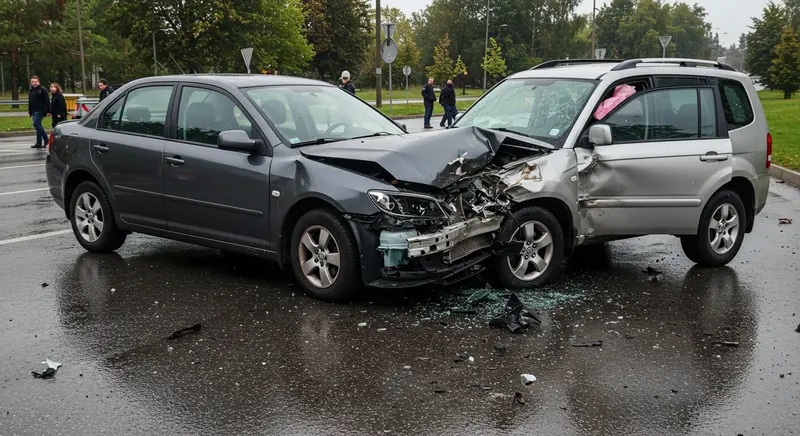
Car accident cases like these are quite complex, and it requires understanding the factors that are used to determine fault in order to hold the other driver accountable for this sudden maneuver. Consulting a Newport News auto accident lawyer can help ensure that your case is handled correctly and that your rights are fully protected.
What Factors Influence the Determination of Fault in a Car Crash?
Determining fault in an accident is crucial as it reveals who should be held liable for the damages. There may be shared fault between both drivers, or the driver who pulled out in front may be the only one responsible. These are the factors that will be examined to make this determination:
Right of Way
Every driver who is entering or crossing a roadway from another point, such as a side street, private drive, or alley, must yield the right of way to other traffic. If a driver just pulls out suddenly in front of oncoming traffic, they should face some or all of the blame.
Speed at Time of Crash
While the other driver should have yielded the right of way, the driver on the main road should be abiding by the speed limit. In this example, if you were going over the speed limit even by just a little bit, this could be seen as negligence on your part for not adhering to the posted speed. That would mean you would likely be partially at fault.
Distractions Behind the Wheel
Further investigations into the crash may reveal that one or both drivers were distracted at the time of the accident. Perhaps the driver who carelessly pulled out in front was trying to find their way on GPS and failed to pay attention to oncoming traffic when they entered the roadway. They may have been on the phone or texting, eating, or doing something else that took their attention away from safe driving.
However, it works both ways, and if you were engaging in any kind of distraction, even something seemingly benign such as munching a few fries from your takeout bag in the passenger seat, you may also incur some of the blame.
Presence of Traffic Signals and Signs
In the event that the other driver failed to follow a traffic signal, stop sign, or even a yield sign and pulled out in front of you, that would certainly make them more at fault. All drivers are expected to obey these signals and signs for road safety.
Witness Statements
Testimony from witnesses can also be a helpful addition to your case. If one or more witnesses come forward to say they observed the other driver pull out suddenly in front of you, it is likely that the other driver will be held accountable for causing the crash.
Vehicle Damage
Examining vehicles involved in a crash also can provide more clues as to liability. The location of damage on each vehicle will reveal how the accident occurred.
Visibility Factors
The portion of road where the accident took place will be examined to determine whether each driver had proper visibility. When visibility is hindered for either party, they may not have been able to avoid the accident.
There are even more factors that will be considered during investigations. Mechanical issues or defects may reveal that the other driver’s brakes went out. Road hazards and foul weather can influence fault too. By gathering evidence and following the right steps, you can hold the other driver at fault for their negligent driving behavior.
How Police Officers Can Help Issue Fault to the Other Driver
Typically, when you’re in an accident, it is always best to call 911 to report it and get law enforcement on the scene. You’re required to do so if there are injuries, fatalities, or significant property damage. Even in the absence of these elements, it can help you avoid headaches down the road as you file your insurance claim.
While a police officer’s assessment of an accident and determination of fault is not definitive, their observations are relevant and will be considered. The officer on the scene will gather information, take photos, speak to all involved parties, and ask witnesses what they saw. They may even issue a citation to the other driver for violating traffic laws, and these things will all be noted on the police report. This can be used as part of your evidence, though you’ll need more than that to ensure you get proper compensation for your losses.
Why You Should Talk to a Personal Injury Lawyer
You may wonder why you should contact a personal injury lawyer about your accident. One of the key reasons, especially if you’ve suffered injuries, is to get help with gathering evidence and presenting a strong case against the other driver. You may not have been able to take photos or videos at the scene of the accident.
Additionally, you may be blamed even if you were following the speed limit and obeying other traffic laws. An attorney who specializes in representing car accident victims can advocate for you and make sure that you don’t incur unnecessary blame that would compromise your compensation.
How Will the Insurance Company Determine Liability?
When another car pulls out in front of you while you have the right of way, causing an accident, you may think you have a solid case. However, insurance companies aren’t in the business of caring about injured victims. They are for-profit, and they’ll do just about anything to protect those profits.
Both your own insurance company and the other driver’s insurance company will have insurance adjusters investigate and gather evidence. They will use this information to decide whether or not to pay out on the claim.
Sometimes, they issue a quick settlement, which could make you feel extreme relief, however, you should never accept it without consulting an attorney. You want to think about your injuries and how they impact your life. If you have a few minor injuries that will heal quickly, this offer might just be sufficient. In most cases though, insurers will lowball the settlement. If you accept it without calculating the full extent of your damages, you may not get enough to cover your medical bills, lost wages, property damages, or emotional anguish.
Working with an attorney from the start can prevent issues like these from arising. With this legal representation, you can also avoid having your claim denied. In the event that the insurer continues to dig in their heels, your attorney will begin the lawsuit process and fight for what’s fair on your behalf.
Things can get even more complicated if your collision leads to a pileup of vehicles behind you or if you swerve to avoid the driver who pulled out of nowhere and hit another one. It requires having a greater understanding of state and local laws to ensure you aren’t unfairly blamed for the crash.
Steps to Take If You Get Into an Accident When Someone Pulls Out in Front of You
Any accident can be a traumatic experience for those involved. The sounds of crunching and breaking glass may linger when you close your eyes at night. The pain from your injuries may cause deeper issues throughout the years. You don’t want to be stuck paying for someone else’s negligent actions, and the best way to avoid that is by taking the right steps from the start.
Call 911
As mentioned, you should not hesitate to call the police after an accident. Even if the other driver insists they’ll take care of everything, call 911. When the officers arrive, they will make their assessments and document it on the police report.
Get Immediate Medical Attention
When you’re on the line with the 911 operator, they may ask if anyone is injured. You may not think you’re hurt, though the adrenaline surge experienced after an accident can mask symptoms of injuries. Don’t assume that you’re fine and try to shake it off. Make sure you are seen either by paramedics on the scene or that you go to the hospital for serious injuries. If you don’t think you have life-threatening injuries, you can visit an urgent care or even your own physician, though you should make sure you do so within 24 hours of the crash.
The best case scenario would be to get a clean bill of health after the accident. However, if you do have injuries, treatment can start right away to prevent them from worsening. This will all be documented in your medical records, and insurers will have a hard time trying to claim you were hurt in another way unrelated to the accident.
Get the Evidence
If you aren’t gushing blood and can move your limbs, you should take photos and videos of the accident scene. Make sure you capture the surrounding area, the point where the other driver pulled out into traffic, any traffic signs or signals, or skid marks.
Other drivers may have pulled over to check on you and the other vehicle. They may have seen what happened and be able to provide crucial details that can help your case. Get their contact information and see if they’d be willing to record a statement on your phone. Witness testimony can be extremely helpful in these types of circumstances, and it’s best to get it as soon as possible before their memory of these events fades.
Contact a Car Accident Attorney
In most cases when a driver rear ends another vehicle, the driver who hit the rear will be faced with liability. However, when it can be proven that the other driver pulled out without abiding by their duty of care to operate their vehicle safely on the road, you can avoid being blamed.
Other factors will come into play with the determination of fault, and it helps to have an attorney on your side who understands the nuances of these laws. You should be focused on following your doctors’ orders for resting and recovering rather than chasing your tail trying to prove your case. Let an attorney help you with investigations, evidence, and negotiating to make sure you are compensated in the way you deserve.
