
Why Do Motorcycle Riders Face Higher Accident Risks?
Motorcycle riders face higher accident risks because they have little physical protection, are harder for drivers to see, and are more exposed to road and weather conditions. Even a minor collision can turn serious quickly, which is why these crashes often lead to severe injuries and complex legal claims.
Chicago is one of the largest cities in the U.S., known for its dense traffic and busy roadways. It has a strong transportation network, but congestion and frequent lane changes increase accident risks. The city also experiences harsh weather, including rain and snow, which can make riding conditions more dangerous.
In such situations, working with a Chicago motorcycle accident lawyer can help riders understand their legal options after a crash.
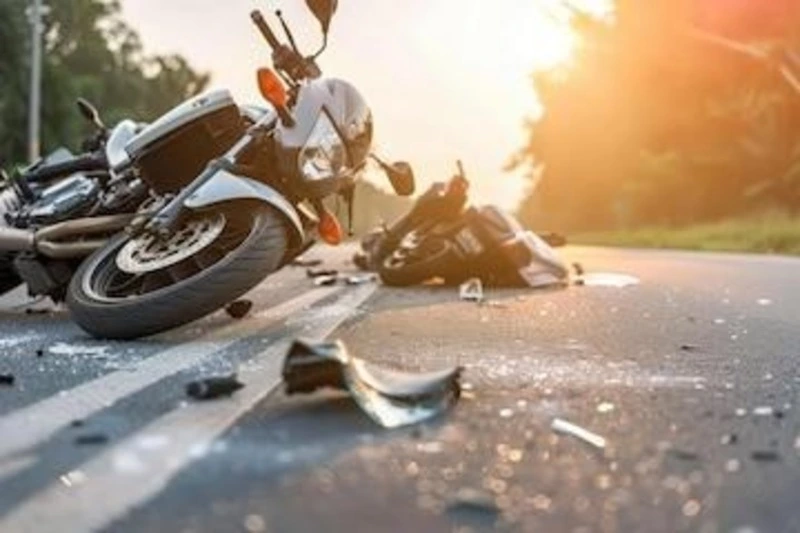
Lack of Built-In Protection
Unlike cars, motorcycles don’t come with airbags, seatbelts, or a protective frame. In a crash, the rider’s body takes the full impact. Even at low speeds, injuries like fractures, spinal damage, or traumatic brain injuries are common.
This is why motorcycle accident claims often involve higher medical costs and compensation compared to typical car accidents.
Lower Visibility and Blind Spots
Motorcycles are smaller and easier to miss, especially in a driver’s blind spot. Many accidents happen when drivers change lanes or turn without noticing a rider. Under general U.S. negligence principles, failing to see a motorcyclist when you should have can count as a breach of duty.
No Structural Cushion in a Crash
Cars are designed to absorb impact through crumple zones. Motorcycles have no such buffer. The force of a collision transfers directly to the rider, which explains why injuries are often severe even when the crash doesn’t look dramatic.
This difference plays a major role when courts assess damages in injury claims.
Exposure to Weather and Road Conditions
Motorcyclists feel every change in the road, like wet pavement, gravel, potholes, or debris. A small hazard that barely affects a car can cause a rider to lose control.
In some cases, liability may extend beyond drivers to government agencies responsible for road maintenance, especially if dangerous conditions were ignored.
Rider Behavior and Shared Fault
Rider behavior can also affect accident risk. Speeding, aggressive riding, or distraction can increase the chance of a crash.
Most states follow comparative negligence rules, meaning compensation may be reduced if the rider is partly at fault. Still, research shows that car drivers are often responsible for causing motorcycle accidents, particularly in intersection and lane-change scenarios.
Helmet Laws and Safety Gear
Helmet laws vary by state, but they significantly impact injury outcomes. Federal standards like 49 C.F.R. § 571.218 set safety requirements for helmets.
Riders without proper gear are more likely to suffer severe head injuries, which can influence both the severity of harm and how compensation is calculated in a legal claim.
Motorcycle riders face higher risks due to a mix of physical vulnerability, visibility issues, road exposure, and human behavior. When accidents happen, the legal system often takes these factors into account, especially when determining fault and compensation.
Final Takeaways
- Motorcycles offer little protection, increasing injury severity in crashes.
- Riders are harder to see, leading to frequent blind-spot accidents.
- Even minor collisions can cause serious harm due to lack of impact cushioning.
- Road conditions and weather affect motorcycles more than cars.
- Driver negligence is a common cause of motorcycle accidents.
- Comparative fault rules may reduce compensation if riders share blame.
- Helmet use and safety gear play a major role in injury outcomes.
