
Vehicle Safety and Accident Response with Hidden GPS Trackers
In today’s fast-paced world, ensuring vehicle safety and preparedness in the event of an accident is paramount. Hidden GPS trackers have emerged as invaluable tools for vehicle owners, offering real-time location tracking, theft prevention, and crucial data collection during accidents. This article explores the benefits, functionalities, and considerations of using hidden GPS trackers to enhance vehicle safety and accident response.
Understanding Hidden GPS Trackers
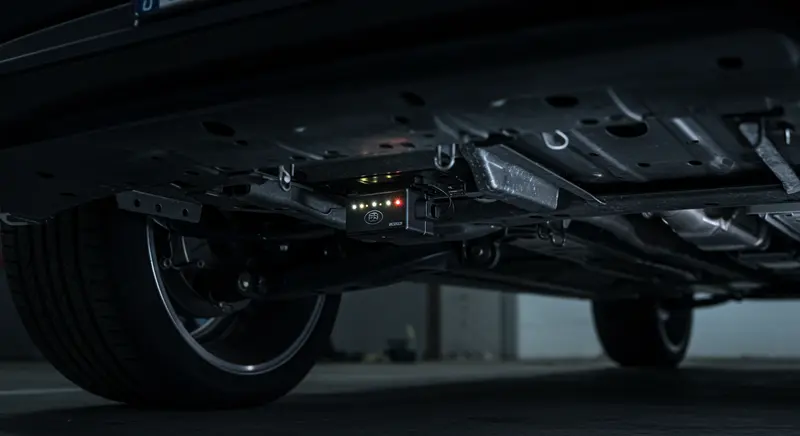
Hidden GPS trackers are compact devices designed to be discreetly installed in vehicles, allowing owners to monitor their vehicle’s location and movements without visible indicators. These devices utilize Global Positioning System (GPS) technology to provide precise, real-time location data, which can be accessed via smartphones, tablets, or computers.
Key Features and Benefits
- Real-Time Location Tracking: Hidden GPS trackers provide continuous, real-time updates on a vehicle’s location, enabling owners to monitor their vehicle’s movements at any given moment. This feature is particularly beneficial for parents monitoring teen drivers or businesses managing a fleet of vehicles.
- Theft Prevention and Recovery: In the unfortunate event of vehicle theft, a hidden GPS tracker can be instrumental in locating and recovering the stolen vehicle. The real-time tracking capability allows law enforcement agencies to pinpoint the exact location of the vehicle, increasing the likelihood of a swift recovery.
- Geofencing Alerts: Many GPS trackers offer geofencing capabilities, allowing users to set virtual boundaries for their vehicles. If the vehicle crosses these predefined boundaries, the owner receives instant alerts via SMS, email, or app notifications. This feature enhances security by notifying owners of unauthorized movements.
- Driving Behavior Monitoring: Some advanced GPS trackers can monitor driving behaviors such as speed, harsh braking, and rapid acceleration. This data is valuable for promoting safe driving habits and can be particularly useful for parents of young drivers or fleet managers overseeing employee driving practices.
- Accident Data Collection: In the event of an accident, GPS trackers can provide crucial data regarding the vehicle’s speed, direction, and location at the time of the incident. This information can be vital for insurance claims and legal proceedings, offering an objective account of the events leading up to the accident.
Selecting the Right Hidden GPS Tracker
When choosing a hidden GPS tracker for your vehicle, consider the following factors:
- Size and Design: Opt for a compact and discreet design that can be easily concealed within the vehicle to prevent detection and tampering.
- Battery Life: Evaluate the battery life of the tracker, especially if you prefer a wireless device. Some models offer extended battery life, reducing the frequency of recharging. For instance, the Invoxia GPS Pro Tracker boasts a battery life of up to four months per charge, making it ideal for long-term tracking without frequent maintenance.
- Real-Time Tracking Accuracy: Ensure the device provides accurate and timely location updates. High-frequency updates (e.g., every 5-10 seconds) are preferable for real-time tracking.
- Subscription Fees: Be aware of any monthly or annual subscription fees associated with the tracker. Some devices offer initial free tracking periods, while others require immediate subscription upon activation. For example, the Americaloc GL300MXW offers three free months of premium tracking before requiring a monthly fee.
- Mobile App and User Interface: A user-friendly mobile app or web interface enhances the tracking experience. Look for devices that offer intuitive apps compatible with your smartphone or computer.
Legal and Ethical Considerations
Before installing a hidden GPS tracker, it’s essential to consider the legal and ethical implications:
- Ownership and Consent: Ensure you have the legal right to install a GPS tracker in the vehicle. Installing a tracker in a vehicle you do not own or without the owner’s consent may violate privacy laws.
- Data Privacy: Be mindful of how the data collected by the GPS tracker is stored and used. Ensure that the device complies with data protection regulations and that your personal information remains secure.
- Notification Requirements: In some jurisdictions, you may be required to inform individuals that a vehicle is being monitored. This is particularly relevant for employers tracking company vehicles used by employees.
Installation and Maintenance
Proper installation and maintenance are crucial for the effective operation of a hidden GPS tracker:
- Installation: Follow the manufacturer’s instructions for installation. Many devices offer magnetic mounts for easy attachment to metal surfaces within the vehicle. For example, the LandAirSea 54 GPS Tracker features a strong internal magnet, allowing for secure attachment without the need for wiring.
- Concealment: Place the tracker in a location that is not easily visible or accessible to prevent tampering. Common hiding spots include under seats, within the dashboard, or beneath the vehicle.
- Maintenance: Regularly check the device’s battery level and functionality. Ensure that the firmware is up to date and that the device maintains a strong GPS signal.
Conclusion
Hidden GPS trackers offer a multitude of benefits for vehicle owners, from enhancing security and theft recovery to providing critical data during accidents. By carefully selecting a device that meets your needs and adhering to legal considerations, you can significantly improve your vehicle’s safety and preparedness. Investing in a hidden GPS tracker is a proactive step toward safeguarding your vehicle and ensuring peace of mind on the road.
