
What Is the Best Way to Avoid Being in a Collision on Icy Roads?
Driving on icy roads poses significant risks that can lead to serious accidents. The best way to avoid being in a collision is to drive with caution, maintain a safe distance, and ensure proper vehicle maintenance. Awareness of road conditions and adjusting driving habits are crucial during winter weather.
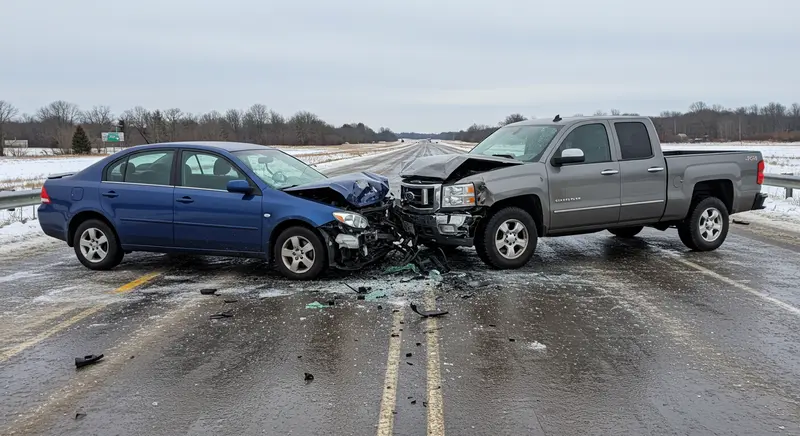
Using winter tires can greatly enhance traction and control, providing better grip on slippery surfaces. Additionally, understanding how to handle skids when they occur can prevent loss of control. Drivers should stay informed about weather forecasts and consider postponing unnecessary trips during severe conditions.
Understanding Road Ice
Road ice forms under specific conditions, primarily when the temperature drops below freezing. It is created when moisture in the air or on the road surface freezes, making roads slippery and hazardous.
There are two common types of road ice:
- Black Ice: This type is transparent and blends with the asphalt, making it nearly invisible. It often forms in shaded areas or during cold nights.
- Frost Ice: This occurs when the air temperature drops, causing moisture to freeze directly on the road surface. It typically appears during early morning or late evening hours.
Drivers must recognize factors that increase the likelihood of road ice:
- Temperature fluctuations: Warm days followed by cold nights can lead to freezing conditions.
- Humidity: High humidity levels can contribute to road moisture, creating ice when temperatures drop.
Precautionary actions can mitigate the risks associated with icy roads:
- Stay informed: Check weather reports for warnings and advisories.
- Avoid sudden movements: Abrupt steering or braking can lead to loss of control on icy surfaces.
Recognizing the presence of road ice can significantly reduce the risk of a car accident.
Preparation and Maintenance
Proper preparation and maintenance are critical for safe driving on icy roads. Ensuring vehicle readiness and having an appropriate emergency kit can significantly reduce the risk of accidents in winter conditions.
Vehicle Readiness
Before winter, inspecting and preparing the vehicle is essential. Key components include:
- Tires: Check tread depth and consider winter tires with better traction. Maintain proper inflation, as cold temperatures can reduce tire pressure.
- Brakes: Ensure brakes are functioning properly. Worn brake pads or low brake fluid levels can lead to longer stopping distances on ice.
- Battery: Cold weather can decrease battery performance. Ensure the battery is fully charged and replace it if it shows signs of weakness.
- Wipers and Fluids: Replace old wipers and use winter-grade washer fluid. Clear visibility is vital for safe driving in icy conditions.
Emergency Kit Essentials
Having an emergency kit can provide peace of mind and safety on the road. Key items to include are:
- First Aid Kit: Essential to handle minor injuries.
- Blankets: Keep warm in case of a vehicle breakdown.
- Flashlight: A reliable light source for low visibility situations.
- Food and Water: Non-perishable snacks and water can sustain a driver if stranded.
- Shovel and Ice Scraper: Useful for moving snow and clearing windows.
- Road Flares or Reflective Triangles: Enhance visibility to other drivers in case of a breakdown.
Regularly check and replenish the emergency kit to ensure all items are functional and available when needed.
Safe Driving Techniques
Driving on icy roads requires specific techniques to reduce the risk of a car accident. By controlling speed, managing steering and braking, and knowing how to handle skids, drivers can enhance their safety significantly.
Controlling Speed
Reducing speed is crucial on icy roads. A slower speed provides the driver with more time to react to unexpected situations.
- Adjust Speed for Conditions: Maintain a speed significantly lower than the posted limit when roads are icy.
- Increase Following Distance: Extend the distance from the vehicle ahead to allow for longer stopping times.
For example, increasing the distance to at least six seconds can mitigate the chances of a rear-end collision.
Steering and Braking
Proper steering and braking techniques are vital in icy conditions.
- Gentle Inputs: Use smooth and gradual movements when steering and braking. Abrupt actions can lead to loss of control.
- Use Anti Lock Braking System (ABS): If a vehicle is equipped with ABS, apply firm pressure to the brake pedal.
With non-ABS systems, it’s essential to pump the brakes gently to prevent locking up. This method helps maintain steering control while decelerating.
Skid Management
Recognizing and managing skids can be pivotal in avoiding an accident.
- Stay Calm: If the vehicle begins to skid, the driver should remain calm to react appropriately.
- Turn into the Skid: Steer gently in the direction the front wheels need to go.
This action helps regain traction and control. Avoid slamming on the brakes, as this may worsen the skid and hinder control.
Responding to an Accident
The immediate response to a car accident on icy roads is critical for safety and legal assurance. Quick, decisive actions can prevent further injury and establish the necessary legal groundwork.
Immediate Actions
First, ensure safety by moving the vehicle out of traffic if possible. Activate hazard lights to warn other drivers. Assess for injuries in yourself and passengers. If anyone is injured, call 911 for medical assistance.
Next, document the scene. Take photos of the vehicles, road conditions, and any visible damages.
Exchange information with other parties involved, including names, addresses, and insurance details. This information is vital for insurance claims and any potential legal action.
If a Miami I95 accident occurs, contacting a local lawyer might help navigate the aftermath. CarAccidentAttorney is an attorney directory service. They can provide guidance on dealing with insurance companies and assessing liability.
Legal Considerations
Legal ramifications can arise following a car accident, particularly on icy roads. It’s essential to report the incident to the police, as an official report may be required for insurance claims.
Those involved should collect witness statements, if available. Witness accounts can strengthen your position in case of disputes later.
Consider contacting a Miami I95 accident lawyer. They can inform individuals of their rights and obligations, advising on filing claims for damages or injuries. Legal expertise can also be beneficial in negotiations with insurance companies.
